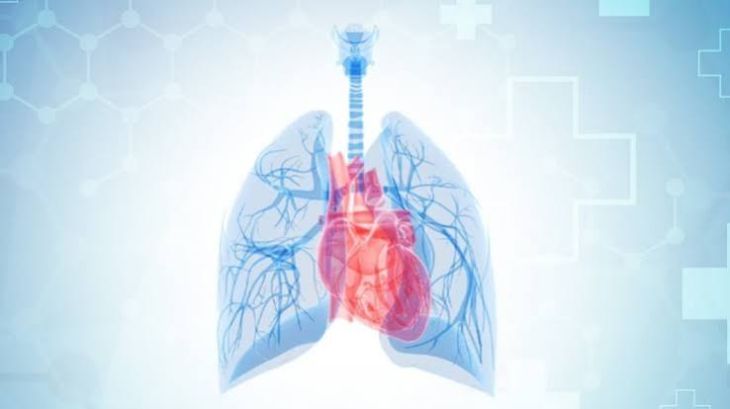
What Is Pulmonary Hypertension and How Does It Affect the Heart?
Pulmonary hypertension is a condition in which the blood pressure in the blood vessels that carry blood from the heart to the lungs becomes abnormally high. These blood vessels are called the pulmonary arteries.
Although the condition involves the blood vessels in the lungs, it can have a major effect on the heart. Over time, the right side of the heart may have to work harder to push blood through the lungs.
What Is Pulmonary Hypertension?
Pulmonary hypertension is different from the regular high blood pressure that affects the arteries throughout the body.
In pulmonary hypertension, the problem occurs in the blood vessels between the heart and lungs. These vessels may become narrowed, blocked, stiff, or damaged. As a result, the heart has to work harder to move blood through them.
If the pressure remains high for a long time, the right side of the heart can become enlarged or weakened.
What Causes Pulmonary Hypertension?
There are several types of pulmonary hypertension, and the causes can vary.
Some people develop it because of conditions that affect the heart, such as certain heart valve problems or congenital heart conditions. Lung diseases and long-term low oxygen levels can also contribute to some forms.
Other possible causes include:
-
Blood clots in the lungs
-
Certain heart or lung diseases
-
Connective tissue diseases
-
Some inherited conditions
-
Certain medicines or toxins
-
Liver disease
-
Sleep-related breathing disorders
In some cases, doctors may not find a clear cause.
What Are the Symptoms?
Pulmonary hypertension may develop slowly, and symptoms can be easy to overlook at first.
Common symptoms include:
-
Shortness of breath
-
Tiredness
-
Dizziness
-
Fainting
-
Chest discomfort
-
Fast or irregular heartbeat
-
Reduced ability to exercise
-
Swelling in the legs, ankles, or feet
Shortness of breath during activities is often one of the first symptoms. As the condition becomes more severe, breathing problems may occur even with less activity.
How Does Pulmonary Hypertension Affect the Heart?
The right side of the heart pumps blood to the lungs. When pressure in the pulmonary arteries becomes high, the right side has to push harder than usual.
At first, the heart may adapt by working harder. Over time, however, this extra workload can cause the right side of the heart to become enlarged or weaker.
Eventually, the heart may struggle to pump enough blood through the lungs. This can lead to right-sided heart failure.
This is one of the main reasons pulmonary hypertension needs medical evaluation and ongoing care.
Can Pulmonary Hypertension Cause Heart Failure?
Yes. Severe or untreated pulmonary hypertension can place long-term strain on the right side of the heart.
As the right side becomes weaker, blood can begin to back up in the body. This may cause swelling in the ankles, legs, or abdomen.
Other possible signs of worsening heart function include increasing tiredness, shortness of breath, and difficulty performing normal activities.
Early treatment may help reduce the strain on the heart and manage symptoms.
How Is Pulmonary Hypertension Diagnosed?
Diagnosing pulmonary hypertension usually involves several tests.
A healthcare professional may begin with a physical examination and ask about symptoms and medical history.
Possible tests include:
-
Echocardiogram
-
Electrocardiogram
-
Chest X-ray
-
Blood tests
-
Lung function tests
-
CT scans
-
Sleep studies
A right heart catheterization may be used to directly measure pressure inside the pulmonary arteries and confirm the diagnosis.
The tests used depend on the person's symptoms and suspected cause.
How Is Pulmonary Hypertension Treated?
Treatment depends on the type and underlying cause.
Some people may need medicines that help relax the pulmonary blood vessels or reduce other effects of the condition. If another disease is causing the pulmonary hypertension, treating that condition is also important.
Doctors may recommend medicines or other treatments to manage fluid buildup, improve heart function, or prevent complications when appropriate.
In severe cases, additional treatments may be needed.
Because pulmonary hypertension has different forms, treatment should always be planned by a qualified healthcare professional.
Can Lifestyle Changes Help?
Lifestyle changes cannot cure every type of pulmonary hypertension, but healthy habits can support overall health.
Helpful steps may include:
-
Following the prescribed treatment plan
-
Staying physically active within medical limits
-
Eating a balanced diet
-
Avoiding smoking
-
Limiting alcohol when advised
-
Getting enough rest
-
Attending regular medical appointments
People with pulmonary hypertension should ask their healthcare professional about safe levels of exercise because strenuous activity may not be appropriate for everyone.
FAQs
What is pulmonary hypertension?
Pulmonary hypertension is high blood pressure in the blood vessels that carry blood from the heart to the lungs.
Is pulmonary hypertension the same as high blood pressure?
No. Regular high blood pressure affects arteries throughout the body, while pulmonary hypertension affects the blood vessels between the heart and lungs.
How does pulmonary hypertension affect the heart?
It makes the right side of the heart work harder to pump blood through the lungs. Over time, this can weaken the heart.
Can pulmonary hypertension cause shortness of breath?
Yes. Shortness of breath, especially during physical activity, is one of the common symptoms.
Can pulmonary hypertension be cured?
Some forms can improve when the underlying cause is treated. Other forms require long-term management rather than a complete cure.
Conclusion
Pulmonary hypertension occurs when blood pressure becomes too high in the blood vessels that carry blood from the heart to the lungs. Although the condition involves the pulmonary arteries, it can place significant strain on the right side of the heart.
Symptoms may include shortness of breath, tiredness, dizziness, chest discomfort, and swelling. If pulmonary hypertension becomes severe, the increased workload can weaken the heart and contribute to right-sided heart failure.