Understanding Primary Central Nervous System Lymphoma: Warning Signs and Treatment Options
Primary central nervous system lymphoma, also called PCNSL, is a rare type of non-Hodgkin lymphoma that begins in the central nervous system. It develops when cancerous lymphocytes, a type of white blood cell, grow in the brain, spinal cord, eyes, or the tissues surrounding the brain.
Unlike some other lymphomas, PCNSL usually starts in the central nervous system rather than spreading there from another part of the body. It can affect people of different ages, although it is more commonly diagnosed in older adults and people with weakened immune systems.
What Is Primary Central Nervous System Lymphoma?
PCNSL most often develops from B lymphocytes, which are immune cells that normally help the body fight infections. In this condition, these cells become abnormal and multiply without proper control.
The cancer may form a mass or several areas of abnormal tissue inside the brain. It can also affect the eyes, spinal cord, and cerebrospinal fluid, which surrounds the brain and spinal cord.
The exact cause is not always clear. However, a weakened immune system can increase the risk. People living with certain immune-related conditions or those who have received organ transplants may have a higher chance of developing this disease.
Common Warning Signs of PCNSL
The symptoms of primary CNS lymphoma depend on the location and size of the affected areas. Some symptoms develop gradually, while others may become noticeable over a shorter period.
Common warning signs include:
Persistent headaches: Headaches that become more frequent or severe may occur as the tumor affects the brain.
Memory problems: Some people experience confusion, forgetfulness, or difficulty concentrating.
Vision changes: Blurred vision, double vision, or other visual problems can develop if the eyes or related brain areas are affected.
Seizures: Abnormal electrical activity in the brain may cause seizures.
Weakness or numbness: A person may experience weakness, reduced sensation, or difficulty controlling movement.
Balance problems: Changes in coordination can make walking or maintaining balance difficult.
Personality changes: Some patients experience unusual behavior, mood changes, or difficulty thinking clearly.
These symptoms do not always mean someone has lymphoma. Other neurological conditions can cause similar problems, so medical evaluation is necessary.
What Causes Primary CNS Lymphoma?
There is no single confirmed cause of PCNSL. Researchers believe changes in the DNA of lymphocytes cause them to grow and multiply abnormally.
Several factors may increase the risk:
Weakened immune system: People with advanced HIV infection, certain immune disorders, or a history of organ transplantation may have an increased risk.
Age: PCNSL is more frequently diagnosed in older adults, although younger people can also develop it.
Certain viral infections: Epstein-Barr virus has been linked to some cases, particularly in people with weakened immune systems. However, it is not responsible for every case.
Having a risk factor does not mean a person will develop this cancer. Some patients have no clearly identified risk factors.
How Is Primary CNS Lymphoma Diagnosed?
Doctors use several tests to determine whether a person has PCNSL and to understand how far the disease has affected the central nervous system.
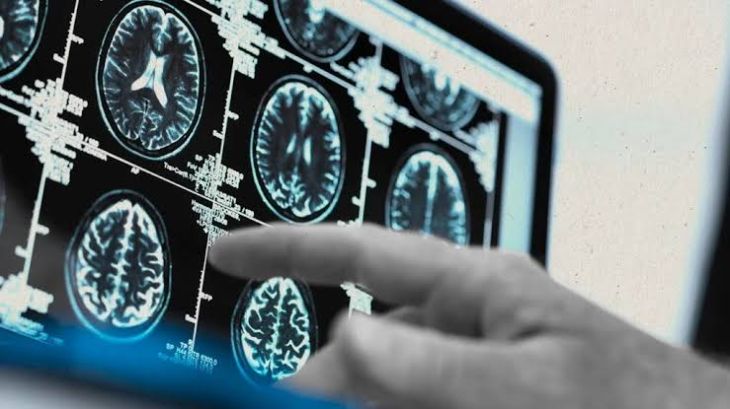
MRI Scan: Magnetic resonance imaging helps doctors identify abnormal areas in the brain. It is commonly used when PCNSL is suspected.
Brain Biopsy: A small tissue sample may be collected from the abnormal area. Laboratory specialists examine it to confirm whether lymphoma cells are present.
Eye Examination: If eye involvement is suspected, an eye specialist may examine the retina and other structures.
Spinal Fluid Testing: Doctors may collect cerebrospinal fluid through a lumbar puncture to look for abnormal lymphoma cells.
Additional Tests: Blood tests and other scans may help assess general health, immune function, and whether lymphoma is present outside the central nervous system.
A tissue biopsy is often needed to confirm the diagnosis, although doctors may use other tests when a biopsy is not possible.
Treatment Options for Primary CNS Lymphoma
Treatment depends on the patient's age, general health, immune system, and the extent of the disease. Because PCNSL affects the brain and other parts of the central nervous system, doctors choose treatments that can reach these areas.
High-Dose Methotrexate-Based Chemotherapy
High-dose methotrexate is one of the main treatments for PCNSL. It is given through a vein and can reach the central nervous system in amounts that help attack lymphoma cells.
Doctors may combine it with other chemotherapy medicines to improve treatment effectiveness. The exact combination depends on the patient's condition.
Targeted Therapy and Other Medicines
Some patients may receive additional medicines that act on specific biological processes involved in cancer cell growth. These treatments may be considered in selected situations, including when the disease returns or does not respond well to initial treatment.
Stem Cell Transplant
For suitable patients, high-dose chemotherapy followed by an autologous stem cell transplant may be considered. In this procedure, a patient's own blood-forming stem cells are collected before intensive treatment and returned afterward to help restore blood cell production.
Radiation Therapy
Radiation therapy uses high-energy rays to destroy cancer cells. It may be considered in certain cases, but doctors carefully assess its risks because radiation to the brain can cause memory and thinking problems, particularly in older adults.
Treatment for Relapsed PCNSL
If lymphoma returns after treatment, doctors may consider other chemotherapycombinations, targeted medicines, clinical trials, or stem cell transplantation. The choice depends on previous treatments and the patient's overall health.
Can Primary CNS Lymphoma Be Prevented?
There is no established method to prevent every case of PCNSL. However, managing conditions that weaken the immune system and following medical advice after an organ transplant may help reduce certain health risks.
People with persistent neurological symptoms should seek medical attention rather than ignoring them. Early evaluation can help identify the cause and prevent unnecessary delays in treatment.
FAQs
Is primary CNS lymphoma a type of brain cancer?
Yes. It is a cancer that begins in the central nervous system, usually involving lymphocytes in the brain. It is classified as a type of non-Hodgkin lymphoma rather than a typical brain tumor.
Is primary CNS lymphoma aggressive?
PCNSL can grow quickly and is considered an aggressive form of lymphoma. However, treatment can produce meaningful responses, and outcomes vary between patients.
Can primary CNS lymphoma affect the eyes?
Yes. The disease can involve the eyes, particularly the vitreous and retina. Symptoms may include blurred vision, floaters, or changes in eyesight.
Does PCNSL spread outside the brain?
It usually begins in the central nervous system and is often limited to this area at diagnosis. However, doctors perform additional tests to check for disease elsewhere in the body.
Can primary CNS lymphoma come back after treatment?
Yes. PCNSL can return even after a good initial response. Regular follow-up appointments and brain imaging help doctors monitor for recurrence.
Conclusion
Primary central nervous system lymphoma is a rare but serious cancer that affects the brain, spinal cord, eyes, and related tissues. Warning signs may include persistent headaches, memory changes, seizures, vision problems, and difficulty with movement or balance. MRI scans, biopsies, and other tests help doctors confirm the diagnosis. Treatment may involve high-dose chemotherapy, targeted medicines, stem cell transplantation, or radiation therapy in selected cases. Recognizing symptoms early and receiving care from an experienced medical team can make an important difference in managing this condition.