What Is Epilepsy and How Does It Affect the Brain?
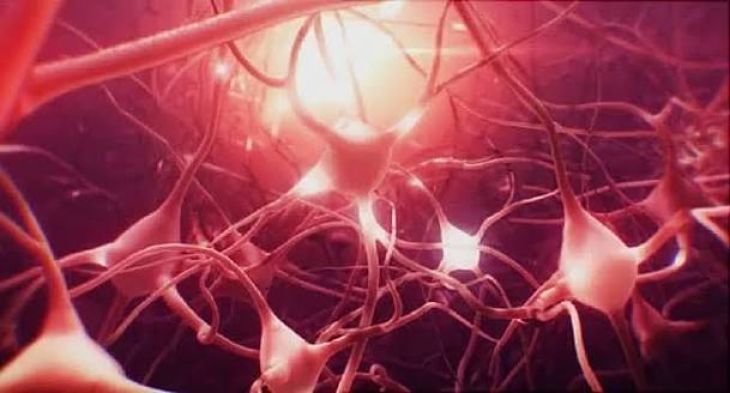
The human brain is an extraordinarily complex, electro-chemical organ containing roughly eighty-six billion specialized cells called neurons that communicate through constant, highly synchronized electrical impulses and chemical neurotransmitters. Every thought, sensory perception, voluntary movement, and autonomic function relies upon this precise, orderly transmission of electrical energy across neural networks. However, when the delicate balance between neuronal excitation and inhibition is chronically disrupted, groups of brain cells can fire electrical signals in sudden, excessive, and chaotic bursts. This pathological state of hyper-synchronization gives rise to epilepsy, one of the most common chronic neurological disorders in the world. Understanding what epilepsy is and how these electrical storms alter brain function provides essential insight into managing seizure disorders and supporting neurological health.
The Neurobiology of Seizures and Excitation-Inhibition Imbalance
To comprehend how epilepsy affects the brain, one must first examine the cellular mechanisms that govern normal neuronal firing versus a pathological seizure. Under healthy conditions, excitatory neurotransmitters—such as glutamate—stimulate neuronal activity, while inhibitory neurotransmitters—such as gamma-aminobutyric acid (GABA)—act as a braking system to prevent runaway electrical activity. In an epileptic brain, this balance is fundamentally compromised due to genetic mutations, structural brain injuries, or neurochemical abnormalities. When inhibitory GABA pathways fail or excitatory NMDA receptors become overactive, a localized cluster of neurons can undergo paroxysmal depolarization shifts. This causes adjacent nerve cells to fire uncontrollably in unison, recruiting a massive wave of electrical energy that sweeps across broader neural pathways and disrupts normal brain function.
Focal Seizures and Localized Brain Circuit Disruptions
Seizures are broadly classified into two primary categories based on where the abnormal electrical activity begins within the brain, starting with focal seizures, which originate within networks confined to one specific hemisphere or region.
-
Localized Origin: Focal seizures often arise from structurally altered brain tissue, such as a localized scar from prior head trauma, a congenital cortical dysplasia, or a benign vascular lesion.
-
Symptom Manifestation: Depending on the exact anatomical region affected, focal seizures produce distinct clinical symptoms. If the abnormal electrical discharge occurs within the temporal lobe, patients may experience sensory hallucinations, intense feelings of déjà vu, or involuntary motor movements. If it affects the primary motor cortex, localized twitching or jerking of a single limb may occur. While some focal seizures leave the individual entirely conscious, others impair awareness, demonstrating how localized electrical disruptions temporarily override normal regional brain processing.
Generalized Seizures and Bilateral Network Recruitment
In contrast to focal seizures, generalized seizures involve simultaneous, abnormal electrical discharges that originate at some point within and rapidly engage bilaterally distributed networks across both cerebral hemispheres from the very onset.
-
Loss of Consciousness: Because these widespread electrical storms instantly engulf both hemispheres and interrupt normal interhemispheric communication, generalized seizures almost invariably cause an immediate loss of consciousness or altered awareness.
-
Clinical Presentation: The most recognized form is the generalized tonic-clonic seizure, which unfolds in distinct phases. During the tonic phase, all skeletal muscles contract intensely, causing the individual to stiffen and often emit a cry as air is forced past the vocal cords. This transitions into the clonic phase, characterized by rhythmic, violent jerking movements of the arms and legs. Following the seizure, the brain enters a prolonged period of recovery known as the post-ictal state, during which the individual experiences profound confusion, exhaustion, and deep sleep as exhausted neural circuits slowly restore electrochemical equilibrium.
The Impact of Chronic Seizures on Brain Plasticity and Cognition
While individual seizures are temporary events, living with chronic, poorly controlled epilepsy can exert lasting structural and functional impacts on the brain over time.
-
Synaptic Reorganization: The brain possesses remarkable neuroplasticity, but repeated seizure activity can cause maladaptive structural remodeling within neural circuits, reinforcing abnormal pathways rather than healthy ones.
-
Cognitive and Memory Toll: Frequent epileptic discharges—particularly those originating in structures like the hippocampus, which is vital for memory consolidation—can impair short-term memory, learning capacity, and executive processing. Additionally, the underlying neurological pathology causing the epilepsy, combined with the sedating side effects of certain anti-seizure medications, can compound cognitive fatigue, slow processing speeds, and present significant challenges for academic and occupational functioning.
Diagnostic Evaluations and Advanced Neuroimaging
Accurately diagnosing epilepsy and pinpointing the exact brain regions responsible for generating seizures requires a comprehensive neurological evaluation.
-
Electroencephalography (EEG): The cornerstone of epilepsy diagnosis is the EEG, which records continuous electrical brainwave activity via electrodes placed on the scalp, capturing hallmark abnormal patterns such as sharp waves, spikes, or generalized spike-and-wave discharges.
-
Advanced Neuroimaging: When surface EEG is insufficient, neurologists utilize high-resolution magnetic resonance imaging (MRI) protocols designed to detect subtle structural abnormalities, hippocampal sclerosis, or malformations of cortical development. Furthermore, video-EEG monitoring allows clinicians to record actual clinical events in real-time, matching physical seizure manifestations with precise electrical signatures to guide targeted medical therapies or evaluate candidates for specialized neurosurgery.
Therapeutic Interventions and Management Strategies
Managing epilepsy successfully requires a personalized, multi-faceted approach tailored to seizure type, frequency, and underlying etiology.
-
Anti-Seizure Medications: The primary frontline treatment involves daily anti-seizure medications, which work by stabilizing neuronal membranes, enhancing inhibitory GABA activity, or blocking voltage-gated sodium and calcium channels to prevent abnormal electrical discharges from spreading.
-
Advanced Treatments: For individuals with drug-resistant epilepsy whose seizures fail to respond to multiple medications, alternative therapies offer profound hope. These include specialized diets like the ketogenic diet, neurostimulation devices such as vagus nerve stimulators (VNS) that interrupt abnormal brain signaling, and targeted resective neurosurgery designed to remove or disconnect the specific seizure focus safely.
Conclusion
Epilepsy is a complex, chronic neurological disorder characterized by recurring, unprovoked seizures driven by imbalances in the brain's electrical excitation and inhibition systems. By examining the distinct pathophysiological mechanisms separating focal seizures from generalized events, we gain a clear understanding of how abnormal electrical storms disrupt regional and bilateral brain function. Recognizing the cognitive impacts, diagnostic modalities, and advanced therapeutic interventions highlights the critical importance of specialized neurological care. Through precise pharmacological management, ongoing monitoring, and innovative surgical treatments, individuals living with epilepsy can achieve seizure control, protect their neurological health, and maintain an active, independent life.