Why Some Cancers Come Back
For many patients, completing cancer treatment is both a relief and a milestone. Scans may show no visible disease, doctors may use the word “remission,” and life gradually begins to feel normal again.

For many patients, completing cancer treatment is both a relief and a milestone. Scans may show no visible disease, doctors may use the word “remission,” and life gradually begins to feel normal again.
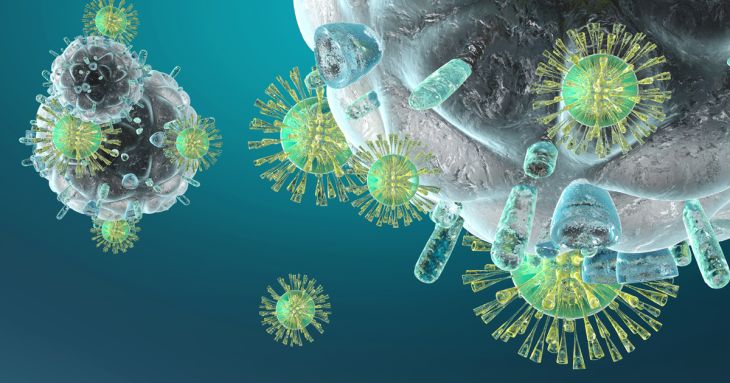
For decades, cancer treatment focused mainly on surgery, chemotherapy, and radiation. While these methods aim to remove or destroy cancer cells directly, immunotherapy takes a different approach.
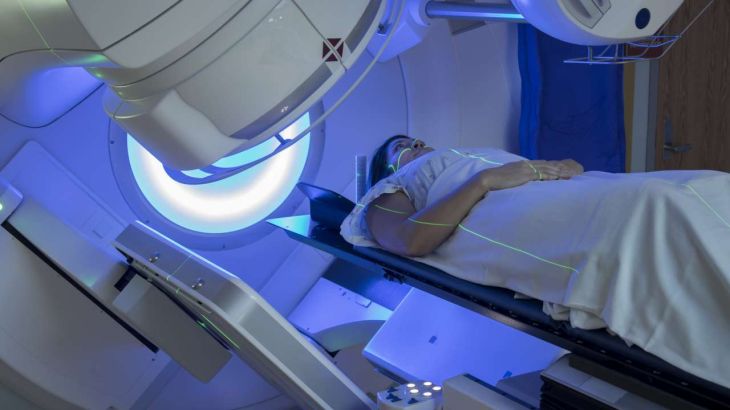
When someone is diagnosed with cancer, one of the first questions they ask is how the treatment will actually work inside the body. Cancer treatments are not random or mysterious procedures.
When it comes to life-threatening diseases, especially cancer, timing can mean the difference between recovery and loss. The phrase “early detection saves lives” is more than just a slogan—it reflects a powerful medical truth.
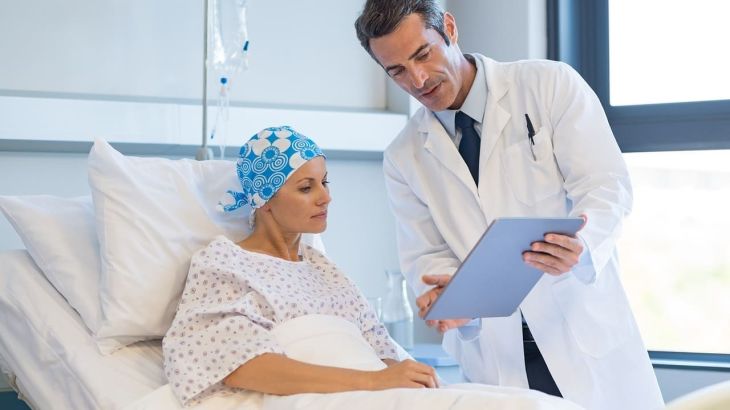
Cancer is often viewed as a genetic disease, but genes alone do not tell the whole story. While inherited mutations can increase risk, a significant proportion of cancers are influenced by lifestyle choices and environmental exposures.
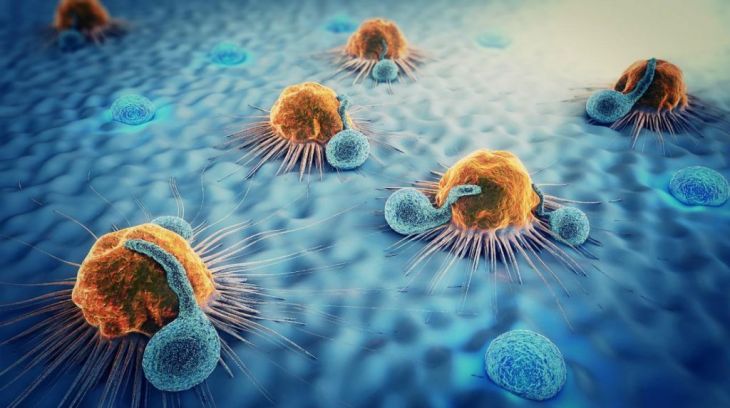
Cancer is often described as a disease of uncontrolled growth, but at its core, it begins with subtle changes inside a single cell. The human body is made up of trillions of cells that grow, divide, and die in a carefully regulated manner.