•   0 Comments       0 Like

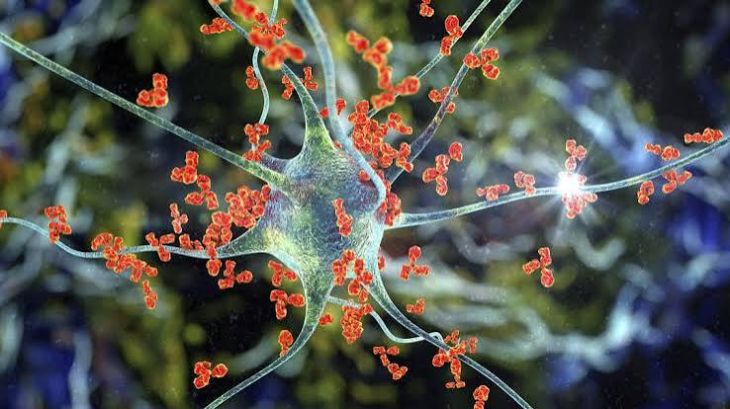
What Is Encephalitis and How Can It Affect the Brain?

The human brain is protected by a complex series of physiological barriers, including the sturdy bones of the skull, the multi-layered meninges, and the highly selective blood-brain barrier. Despite these robust defenses, the central nervous system rem

  •   0 Comments       0 Like

Common Reproductive System Disorders and Their Symptoms

Polycystic Ovary Syndrome stands as a widespread endocrine-metabolic condition impacting individuals assigned female at birth during their reproductive years. The condition features elevated ovarian androgen production alongside peripheral insulin resi

  •   0 Comments       0 Like

Understanding Neuralgia and Different Types of Nerve Pain

Pain is universally understood as the body's vital alarm system, alerting us to physical injury, thermal burns, or internal distress. However, when the alarm system itself malfunctions, pain transforms from a protective warning into a chronic.

  •   0 Comments       0 Like

What Is Vertigo and How Is It Connected to the Brain?

Few physical phenomena are as thoroughly unsettling and disorienting as vertigo. Unlike ordinary lightheadedness or a brief faint feeling, genuine vertigo creates a distinct, compelling illusion of movement—the startling sensation.

  •   0 Comments       0 Like

Understanding Bell’s Palsy and Its Symptoms

The human face serves as our primary canvas for communication, expressing a vast spectrum of emotions through an intricate network of specialized muscles. These movements are precisely coordinated by the facial nerve, also designated as cranial nerve V