What Is Encephalitis and How Can It Affect the Brain?
The human brain is protected by a complex series of physiological barriers, including the sturdy bones of the skull, the multi-layered meninges, and the highly selective blood-brain barrier. Despite these robust defenses, the central nervous system remains vulnerable to severe infections and inflammatory attacks. Encephalitis is a serious and potentially life-threatening medical condition defined by acute inflammation of the active brain tissue (parenchyma).
Unlike meningitis, which primarily affects the protective membranes surrounding the brain and spinal cord, encephalitis directly involves the delicate neural circuits responsible for cognition, movement, sensory processing, and autonomic function. Because brain tissue cannot expand within the rigid confines of the skull, inflammation leads to dangerous internal pressure, making prompt medical recognition and intervention vital for survival and recovery.
1. The Underlying Causes: Infections and Immune Responses
Encephalitis is generally classified into two primary categories based on its root cause: infectious encephalitis, triggered directly by invading pathogens, and autoimmune encephalitis, sparked by an aberrant immune system attack on healthy brain tissue.
Infectious Encephalitis: Viral Invaders
Viral pathogens are by far the most frequent cause of infectious encephalitis. Viruses can enter the central nervous system through the bloodstream or by traveling along peripheral nerve pathways:
-
Herpes Simplex Virus (HSV): HSV-1 (the virus responsible for common cold sores) is the most common cause of sporadic, severe viral encephalitis in the developed world. It frequently targets the temporal and frontal lobes, leading to localized brain damage.
-
Arboviruses (Mosquito-Borne Viruses): Pathogens such as West Nile virus, Eastern equine encephalitis virus, and Japanese encephalitis are transmitted through insect bites during warm weather months, proliferating in regional bird and animal reservoirs before reaching humans.
-
Enteroviruses and Childhood Infections: Non-polio enteroviruses, as well as classic childhood viruses like measles, mumps, and varicella-zoster (chickenpox), can occasionally precipitate acute brain inflammation, though widespread vaccination programs have drastically reduced these occurrences.
Autoimmune Encephalitis: The Immune System Misdirects
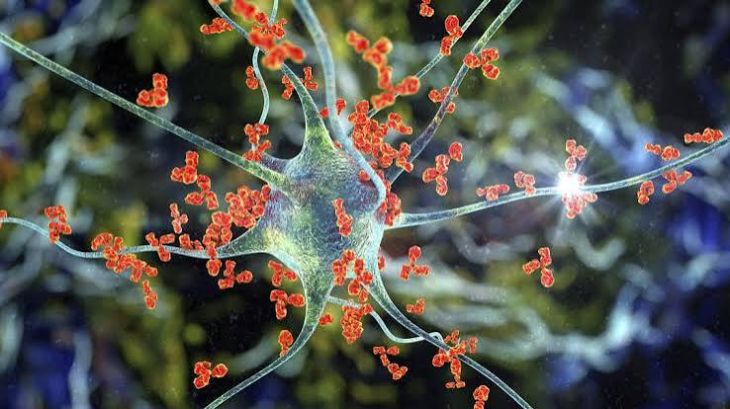
In recent decades, medical science has recognized that inflammation within the brain can also be driven by the immune system itself. In autoimmune encephalitis, antibodies or T-cells mistakenly target normal neuronal proteins—such as NMDA receptors or voltage-gated potassium channels—sparking widespread neuroinflammation without any underlying viral infection. This form of encephalitis is sometimes triggered by underlying tumors (paraneoplastic syndromes) or occurs spontaneously.
2. Neurological Symptoms and Clinical Presentation
Because encephalitis involves widespread inflammation across functional areas of the cerebral cortex, brainstem, and limbic system, its clinical presentation can span a vast spectrum of physical, cognitive, and behavioral symptoms.
Prodromal Phase and Early Signs
The onset of infectious encephalitis often mimics a severe systemic viral illness before neurological symptoms emerge:
-
Flu-Like Symptoms: Sudden high fever, severe fatigue, body aches, sore throat, and gastrointestinal upset.
-
Generalized Headaches: A worsening, persistent headache that resists standard over-the-counter pain relievers.
Acute Neurological Manifestations
As inflammation intensifies and disrupts normal brain function, distinct neurological signs develop rapidly over hours or days:
-
Altered Mental Status: This is the hallmark clinical feature of encephalitis. Patients may exhibit profound confusion, disorientation, personality changes, memory loss, agitation, hallucinations, or sluggish lethargy progressing into stupor and coma.
-
Seizures: Focal or generalized seizures frequently occur as irritated cortical neurons fire uncontrollably.
-
Focal Neurological Deficits: Damage to specific brain regions can result in muscle weakness or paralysis on one side of the body (hemiparesis), loss of coordination (ataxia), visual disturbances, or speech impairments (aphasia).
-
Stiff Neck and Photophobia: While more prominent in meningitis, inflammation can irritate surrounding meningeal layers, causing neck stiffness and extreme sensitivity to light.
3. How Encephalitis Affects Brain Function
The pathological impact of encephalitis on the brain goes far beyond temporary discomfort, leaving deep cellular and structural consequences.
Cellular Damage and Neuronal Injury
When a virus invades neurons or glial cells, it triggers an intense local immune response. Immune cells release inflammatory cytokines and reactive oxygen species to fight the pathogen, but this biochemical warfare inadvertently damages healthy surrounding brain tissue. Neurons swell, synapses are disrupted, and in severe cases, areas of the brain undergo necrosis (cellular death).
Cerebral Edema and Increased Intracranial Pressure
As inflammation causes blood vessels within the brain to become leaky, fluid accumulates within the brain tissue (cerebral edema). Because the skull is a rigid, closed box, this swelling causes intracranial pressure to rise rapidly. High pressure can compress vital brain structures, potentially leading to brain herniation—a catastrophic displacement of brain tissue that threatens life and autonomic function.
Long-Term Neurological Sequelae
Even after acute inflammation subsides and the infection is cleared, many survivors face lingering challenges. Depending on the severity and anatomical location of the damage, long-term effects can include chronic cognitive deficits, memory impairment, persistent fatigue, emotional volatility, recurrent seizure disorders (epilepsy), and motor difficulties that require extensive rehabilitation.
4. Diagnostic Evaluation and Medical Assessment
Diagnosing encephalitis requires an urgent, multidisciplinary evaluation in a hospital setting, typically coordinated by emergency physicians, infectious disease specialists, and neurologists.
-
Magnetic Resonance Imaging (MRI): High-resolution brain MRI is the gold standard imaging modality. It can reveal localized swelling, edema, and structural inflammation, particularly in characteristic areas like the temporal lobes during HSV encephalitis.
-
Lumbar Puncture (Spinal Tap): Analysis of cerebrospinal fluid (CSF) is critical for confirming inflammation. A spinal tap measures white blood cell counts, protein levels, and glucose, while specialized polymerase chain reaction (PCR) tests identify specific viral DNA or RNA present in the fluid.
-
Electroencephalogram (EEG): An EEG monitors electrical activity in the brain, helping detect seizure activity, subclinical epileptic discharges, or generalized slowing patterns characteristic of encephalopathy.
-
Blood and Serological Tests: Comprehensive blood panels check for systemic inflammation, electrolyte imbalances, and specific antibodies pointing toward viral exposures or autoimmune encephalitis triggers.
5. Acute Treatment and Management Strategies
Encephalitis is a medical emergency requiring immediate hospitalization, often in an intensive care unit (ICU) for close monitoring of neurological status and vital signs.
-
Antiviral Medications: If viral etiology is suspected—especially herpes simplex virus—intravenous antiviral drugs (such as acyclovir) are administered immediately, even before test results return, because early treatment dramatically reduces mortality and long-term disability.
-
Immunotherapy: For autoimmune encephalitis, or to dampen damaging hyper-inflammation in severe viral cases, physicians may utilize high-dose corticosteroids, intravenous immunoglobulin (IVIG), or plasma exchange (plasmapheresis).
-
Supportive and Critical Care: Managing airway stability, controlling seizures with anticonvulsant medications, reducing brain swelling with osmotic agents (like mannitol), maintaining proper hydration, and managing fevers are vital components of acute supportive care.
Conclusion
Encephalitis stands as one of the most formidable challenges in neurology, representing an intense collision between systemic infection, immune response, and delicate brain tissue. By recognizing its early warning signs—such as high fever paired with sudden confusion, behavioral changes, or seizures—individuals and caregivers can secure urgent medical evaluation. Through advanced diagnostic imaging, rapid antiviral interventions, and dedicated critical care, modern medicine continues to improve survival rates and support meaningful recovery for those affected by acute brain inflammation.