How Could 3D-Printed Medicines Change the Future of Drug Delivery?
The way medicines are made and taken could change significantly as technology continues to improve. One exciting development is 3D-printed medicine. Instead of producing every tablet in exactly the same form, 3D printing may allow medicines to be designed with specific shapes, doses, and release patterns.
This technology is still developing, but it could eventually make some treatments more convenient and personalized. Researchers are exploring how 3D printing can be used to create medicines that meet the needs of individual patients.
What Are 3D-Printed Medicines?
3D printing is a manufacturing process that builds an object layer by layer based on a digital design.
For medicines, this technology can be used to place drug ingredients into carefully designed structures. The final tablet or dosage form can have specific characteristics that influence how the medicine is released in the body.
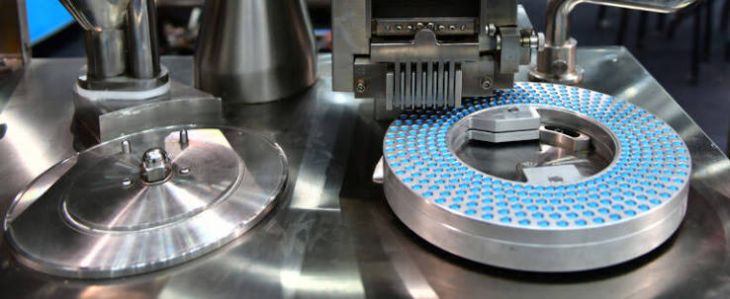
Traditional tablets are generally produced using large-scale manufacturing processes. 3D printing offers another approach that could provide greater flexibility in how certain medicines are designed.
How Does 3D Printing Work for Medicines?
The process begins with a digital design created by researchers or pharmaceutical manufacturers.
The printer then deposits or builds layers of pharmaceutical materials according to that design. These materials may contain the active drug and other ingredients needed to create the final dosage form.
By changing the shape, structure, and composition of the printed medicine, researchers can explore different ways of controlling how quickly the drug is released.
Could 3D Printing Make Medicines More Personalized?
One of the most promising possibilities is personalized medicine.
People do not always need the same dose of a medicine. Factors such as age, body size, medical condition, and other medicines can affect how a person responds to treatment.
In the future, 3D printing could potentially allow certain medicines to be produced in doses or combinations designed for individual patients.
For example, instead of taking several separate tablets, a patient might eventually receive a specially designed dosage form containing multiple medicines.
However, this approach requires extensive research and careful safety testing before it can become common medical practice.
Could 3D-Printed Medicines Make Dosing Easier?
Yes, potentially.
Some patients, particularly older adults or people taking several medicines, may find complex medication schedules difficult to follow.
Researchers are investigating whether 3D printing could help combine different drugs into a single dosage form or create tablets with specific release patterns.
This could make some treatment plans easier to manage.
However, medicines cannot simply be combined because they are convenient. Researchers must make sure the ingredients remain stable and do not interfere with each other.
How Could 3D Printing Control Drug Release?
The structure of a medicine can influence how quickly its active ingredients become available in the body.
With 3D printing, researchers can create different internal structures and shapes. These designs may allow a medicine to release its ingredients quickly, slowly, or in stages.
This could be useful for medicines that need to remain active for longer periods.
Controlled drug release may also reduce the need for frequent doses in some situations, although whether this is possible depends on the specific medicine.
Could 3D Printing Help Children Take Medicines?
Children can sometimes have difficulty swallowing tablets, and the correct dose may vary depending on their age and size.
Researchers are exploring whether 3D printing could create medicines with different shapes, sizes, flavors, or doses that are easier for children to take.
This could make treatment more comfortable and potentially improve medication adherence.
However, these products would still need to meet strict safety and quality requirements.
Could 3D Printing Reduce Medicine Waste?
Traditional pharmaceutical manufacturing is designed for large-scale production. This is efficient for medicines that are needed in large quantities, but it may be less practical for very specific or customized doses.
3D printing could potentially allow smaller quantities of certain medicines to be produced when needed.
This might reduce waste from unused or expired products in some settings.
However, the environmental and economic benefits would depend on the materials, equipment, energy use, and manufacturing process involved.
What Are the Challenges?
Despite its potential, 3D-printed medicine still faces several challenges.
Safety and Quality
Every dose must contain the correct amount of active medicine. Small manufacturing errors could have serious consequences.
Manufacturing Standards
Medicines must meet strict quality standards. 3D printing systems would need to produce reliable results every time.
Stability
Some medicines may not remain stable during the printing process. Heat, moisture, pressure, or other conditions could affect the drug.
Cost
Specialized equipment and trained professionals may be expensive. Researchers need to determine whether 3D printing can be economically practical for different types of medicines.
Regulation
Regulatory agencies must determine how 3D-printed medicines should be tested, approved, manufactured, and monitored.
FAQs
What are 3D-printed medicines?
3D-printed medicines are pharmaceutical products produced using 3D-printing technology. The process builds the medicine layer by layer according to a digital design.
Can 3D printing personalize medicine?
Potentially, yes. Researchers are exploring whether 3D printing can be used to produce specific doses, drug combinations, and release patterns for individual patients.
Can 3D-printed medicines release drugs slowly?
Yes. The structure and design of a printed dosage form can potentially be used to control how quickly its ingredients are released.
Are 3D-printed medicines safe?
3D-printed medicines must meet strict safety and quality requirements. Products must be properly tested and manufactured under controlled conditions before they can be widely used.
Will 3D printing replace traditional medicine manufacturing?
Probably not completely. Traditional manufacturing remains highly efficient for producing medicines on a large scale. 3D printing may instead provide another option for specialized or personalized medicines.
Conclusion
3D-printed medicines could change drug delivery by making it possible to design certain medicines with greater flexibility. Researchers are exploring how 3D printing could help create personalized doses, control how quickly drugs are released, combine medicines, and make some treatments easier to take.