Common Reproductive System Disorders and Their Symptoms
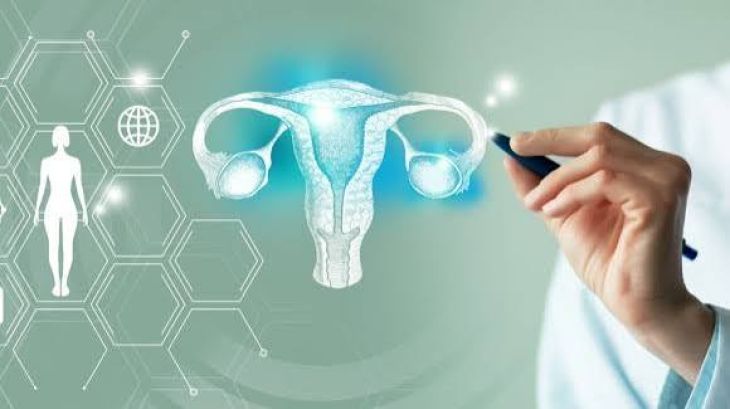
Polycystic Ovary Syndrome stands as a widespread endocrine-metabolic condition impacting individuals assigned female at birth during their reproductive years. The condition features elevated ovarian androgen production alongside peripheral insulin resistance, which collectively inhibit regular follicle maturation and monthly ovulation. Clinical manifestations frequently include oligomenorrhea or the complete absence of menstrual cycles, alongside cutaneous changes such as persistent acne, oily skin, and unwanted terminal hair growth on the face or chest. Furthermore, affected individuals often encounter metabolic challenges involving sudden weight fluctuations and difficulty achieving glycemic control, requiring a combination of lifestyle modifications and targeted hormonal therapies to manage symptoms effectively.
Uterine Leiomyomas and Pelvic Pressure
Uterine leiomyomas, commonly known as fibroids, represent monoclonal tumors arising from the smooth muscle cells of the myometrium that respond directly to estrogen and progesterone stimulation. Depending on their precise anatomical placement—whether submucosal, intramural, or subserosal—these benign growths can distort the endometrial cavity or exert mechanical pressure on neighboring visceral structures. Patients frequently experience menorrhagia, which often results in secondary iron-deficiency anemia due to prolonged blood loss, alongside a constant sensation of pelvic heaviness, pressure, and urinary frequency caused by extrinsic compression of the bladder wall. Medical management ranges from watchful waiting and hormonal medications to minimally invasive surgical procedures tailored to the patient's individual symptom severity and family planning goals.
Benign Prostatic Hyperplasia and Urinary Obstruction
Benign Prostatic Hyperplasia involves the non-malignant cellular proliferation of stromal and epithelial cells within the transition zone of the prostate gland as men age. As the prostate enlarges, it physically constricts the prostatic urethra, increasing resistance to bladder emptying and driving compensatory changes in the bladder's detrusor muscle. Clinical signs include obstructive voiding patterns such as a diminished urinary stream and hesitancy, storage symptoms like urinary urgency and frequent nighttime awakenings, and a persistent subjective feeling of incomplete bladder evacuation. Therapeutic options vary from alpha-blockers and 5-alpha-reductase inhibitors that relax or shrink prostate tissue to surgical interventions designed to relieve urethral pressure and restore normal urinary flow.
Acute Testicular Torsion and Ischemic Risk
Testicular torsion constitutes a true surgical emergency characterized by the axial rotation of the testis around the spermatic cord within the scrotal sac. This twisting halts arterial inflow and venous outflow, creating acute ischemia that threatens viable testicular parenchyma within a narrow window of several hours. Patients present with sudden, severe scrotal pain accompanied by autonomic responses like nausea and vomiting, alongside the physical finding of an elevated and transversely malpositioned testicle accompanied by rapid localized edema. Immediate emergency evaluation and prompt surgical detorsion and fixation are essential to prevent tissue necrosis and preserve long-term reproductive and endocrine function.
Pelvic Inflammatory Disease and Infectious Complications
Pelvic Inflammatory Disease is an upper genital tract infection that typically develops when sexually transmitted pathogens, such as Chlamydia trachomatis or Neisseria gonorrhoeae, ascend from the lower reproductive tract into the pelvic cavity. This inflammatory cascade affects the uterus, fallopian tubes, and surrounding structures, producing lower abdominal and deep pelvic pain, abnormal vaginal discharge, fever, and discomfort during sexual intercourse. If left undiagnosed or inadequately treated, the resulting chronic inflammation can cause severe scar tissue accumulation and tubal adhesions, significantly increasing the long-term risk of ectopic pregnancy and female infertility. Comprehensive management relies on prompt, broad-spectrum antibiotic regimens and partner treatment to clear the underlying infection and prevent permanent anatomical damage.
Conclusion
Reproductive system disorders span a diverse array of hormonal imbalances, benign tumors, acute vascular emergencies, and ascending infections that can profoundly impact an individual's physical comfort, metabolic stability, and long-term fertility. Recognizing the unique symptom profiles associated with conditions like polycystic ovary syndrome, uterine fibroids, benign prostatic hyperplasia, testicular torsion, and pelvic inflammatory disease is essential for securing timely clinical diagnoses. By maintaining open communication with healthcare providers, utilizing targeted diagnostic evaluations, and pursuing individualized medical or surgical treatments, patients can successfully manage these health challenges, protect their anatomical function, and preserve overall wellness.