How Can AI-Powered Drug Discovery Speed Up the Search for New Treatments?
Developing a new medicine is a long and complicated process. Researchers have to identify promising drug candidates, understand how they work, test their safety, and determine whether they can effectively treat a disease. This process can take many years and requires a large amount of research.
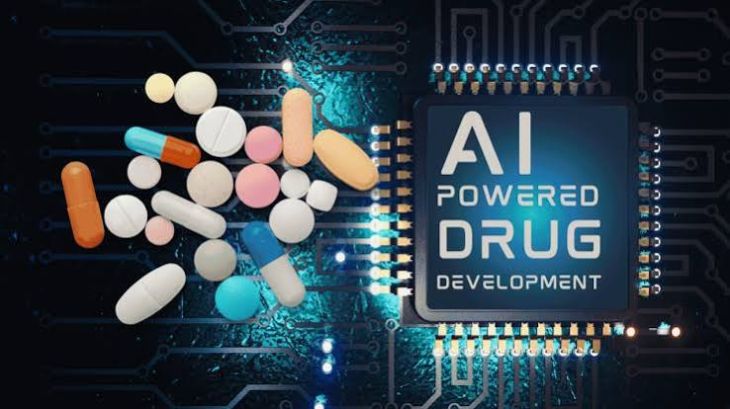
Artificial intelligence, or AI, is now becoming an important tool in drug discovery. AI can analyze huge amounts of biological and chemical information much faster than traditional methods. This may help researchers identify promising treatments more quickly and reduce some of the time spent searching for potential drug candidates.
What Is AI-Powered Drug Discovery?
AI-powered drug discovery involves using artificial intelligence and machine learning to analyze information related to diseases, medicines, proteins, genes, and chemical compounds.
Traditional drug discovery often involves testing many different compounds to find ones that might work against a particular disease. AI can help researchers narrow down these possibilities by identifying patterns in large datasets.
For example, an AI system may help predict which chemical compounds are most likely to interact with a particular protein involved in a disease.
Researchers can then focus their laboratory work on the most promising candidates.
Why Does Drug Discovery Take So Long?
Creating a new medicine involves many stages.
Scientists first need to understand the disease and identify a biological target that could potentially be changed by a medicine. They then search for compounds that might interact with that target.
Potential compounds go through laboratory testing before the most promising candidates are studied in animals and eventually in humans.
Clinical trials then evaluate whether a medicine is safe and effective.
Many potential drug candidates fail along the way. A compound may not work well enough, cause unexpected side effects, or fail to reach the right part of the body.
AI may help researchers make some of these early decisions more efficiently.
How Can AI Help Find Drug Candidates?
One major advantage of AI is its ability to analyze large datasets.
Researchers can use AI models to examine information about millions of chemical compounds and predict which ones may have useful properties.
Instead of testing every possible compound in the laboratory, scientists may use AI to create a shorter list of promising candidates.
This can potentially save time, reduce costs, and allow researchers to focus their experiments on compounds that have a greater chance of success.
Can AI Help Understand Diseases?
Yes. AI can analyze large amounts of biological data, including information about genes, proteins, cells, and disease processes.
This may help scientists identify connections that are difficult to find using traditional methods.
For example, AI could help researchers identify proteins or biological pathways that appear to play an important role in a disease. These findings may provide new targets for future medicines.
How Can AI Help With Protein Research?
Proteins perform many important functions in the body. Some proteins are involved in disease processes and can become targets for medicines.
Understanding the structure and behavior of proteins can therefore be important when developing drugs.
AI systems can help researchers predict or analyze protein structures and interactions. This information may make it easier to design or identify molecules that can interact with a specific protein.
The development of advanced AI models for protein structure prediction has become an important area of modern biomedical research.
Can AI Help Repurpose Existing Medicines?
Another promising use of AI is drug repurposing.
Drug repurposing means finding a new use for a medicine that already exists or has already been studied.
AI can analyze information about medicines, diseases, genes, and biological pathways to identify possible connections.
If researchers find that an existing medicine might work against another disease, they may be able to investigate that possibility without starting completely from scratch.
This could potentially shorten parts of the drug development process because some information about the medicine may already be available.
Can AI Improve Clinical Trials?
AI may also help researchers plan and manage clinical trials.
For example, AI tools could help identify people who may be suitable for a particular study, analyze patient information, and organize large amounts of trial data.
AI may also help researchers identify patterns in clinical data that could provide information about how patients respond to treatment.
However, human oversight remains essential because clinical trials involve complex medical and ethical decisions.
Could AI Make Drug Discovery Faster?
AI has the potential to speed up several parts of drug discovery.
It can help researchers:
-
Analyze large datasets
-
Identify potential drug targets
-
Predict promising compounds
-
Study protein structures
-
Explore possible drug combinations
-
Repurpose existing medicines
-
Analyze clinical trial information
The biggest benefit may come from helping scientists reduce the number of unsuccessful options that need to be tested in the laboratory.
FAQs
What is AI-powered drug discovery?
AI-powered drug discovery uses artificial intelligence and machine learning to analyze biological, chemical, and medical information to help researchers find and develop potential medicines.
Can AI create new medicines?
AI can help researchers design or identify promising drug candidates, but those candidates still need laboratory testing and clinical trials before they can become approved medicines.
Can AI make drug development faster?
AI may speed up certain stages by quickly analyzing large datasets and helping researchers identify promising compounds and drug targets.
Can AI find new uses for existing medicines?
Yes. AI can analyze relationships between medicines, diseases, genes, and biological pathways to identify possible opportunities for drug repurposing.
Will AI replace scientists in drug discovery?
No. AI is a tool that can assist researchers. Laboratory experiments, clinical trials, medical expertise, and human decision-making remain essential for developing safe and effective treatments.
Conclusion
AI-powered drug discovery could change the way researchers search for new treatments. By analyzing huge amounts of chemical and biological information, AI can help identify potential drug candidates, understand disease targets, study proteins, repurpose existing medicines, and analyze clinical data.