What Causes High Cholesterol and How Does It Affect the Heart?
Cholesterol is a waxy, fat-like substance that your body needs to build healthy cells, produce hormones, and make vitamin D. However, when cholesterol levels become too high, it can increase the risk of serious heart problems. High cholesterol often develops without noticeable symptoms, which is why it is sometimes called a "silent" health condition.
Understanding what causes high cholesterol and how it affects your heart can help you make healthier choices and reduce your risk of heart disease.
What Is Cholesterol?
Cholesterol is carried through the bloodstream by two main types of lipoproteins:
Low-density lipoprotein (LDL): Often called "bad" cholesterol because high levels can lead to the buildup of fatty deposits in the arteries.
High-density lipoprotein (HDL): Known as "good" cholesterol because it helps remove excess cholesterol from the bloodstream and carries it back to the liver.
A healthy balance between LDL and HDL is important for maintaining good heart health.
What Causes High Cholesterol?
Several factors can contribute to high cholesterol. Some are related to lifestyle, while others cannot be controlled.
Unhealthy Diet
Eating foods high in saturated fats, trans fats, and added sugars can increase LDL cholesterol. Frequent consumption of fried foods, processed snacks, fast food, fatty meats, and full-fat dairy products may raise cholesterol levels over time.
Choosing more fruits, vegetables, whole grains, lean proteins, and healthy fats can support healthier cholesterol levels.
Lack of Physical Activity
Regular exercise helps increase HDL cholesterol while lowering LDL cholesterol. A sedentary lifestyle may contribute to weight gain and unhealthy cholesterol levels.
Simple activities such as walking, cycling, swimming, or dancing can help improve heart health.
Being Overweight or Obese
Excess body weight can increase LDL cholesterol and triglycerides while lowering HDL cholesterol. Maintaining a healthy weight supports better cholesterol balance and reduces the risk of heart disease.
Smoking
Smoking damages blood vessels and lowers HDL cholesterol, making it easier for fatty deposits to build up inside the arteries. Quitting smoking can improve cholesterol levels and significantly benefit heart health.
Excessive Alcohol Consumption
Drinking too much alcohol may increase triglyceride levels and contribute to other health problems that affect the heart. Limiting alcohol intake can help reduce these risks.
Family History
Some people inherit genes that make it difficult for their bodies to remove excess cholesterol from the blood. This condition, known as familial hypercholesterolemia, can cause very high cholesterol levels even in people who maintain healthy lifestyles.
Age and Certain Health Conditions
As people get older, cholesterol levels may naturally increase. Conditions such as diabetes, kidney disease, hypothyroidism, and certain medications can also contribute to high cholesterol.
How Does High Cholesterol Affect the Heart?
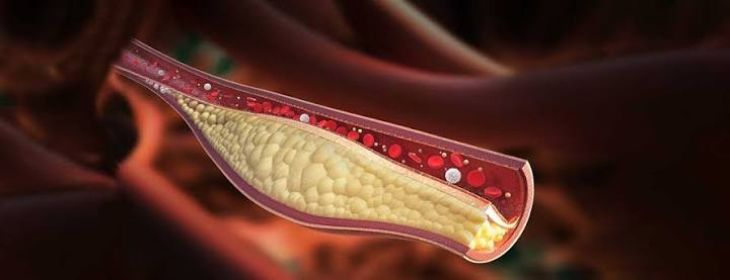
When LDL cholesterol becomes too high, it can build up along the walls of the arteries. Over time, these fatty deposits, known as plaque, narrow the arteries and reduce blood flow.
This process, called atherosclerosis, forces the heart to work harder and increases the risk of several serious conditions.
Coronary Artery Disease
Plaque buildup in the arteries that supply blood to the heart can reduce oxygen delivery to the heart muscle. This may cause chest pain, also known as angina, especially during physical activity.
Heart Attack
If a plaque suddenly breaks open, a blood clot may form and completely block blood flow to part of the heart. This can result in a heart attack, which requires immediate medical attention.
Stroke
High cholesterol can also affect the arteries that supply blood to the brain. If blood flow is blocked, it can lead to a stroke, which may cause permanent disability or become life-threatening.
High Blood Pressure
Narrowed arteries make it harder for blood to flow freely. As a result, the heart must pump harder, which can contribute to high blood pressure and place additional strain on the cardiovascular system.
How Can You Lower High Cholesterol?
Healthy lifestyle choices can help improve cholesterol levels and protect your heart.
Some helpful steps include:
-
Eat a diet rich in fruits, vegetables, whole grains, legumes, nuts, and lean proteins.
-
Limit foods high in saturated and trans fats.
-
Exercise regularly.
-
Maintain a healthy weight.
-
Avoid smoking.
-
Limit alcohol consumption.
-
Manage conditions such as diabetes and high blood pressure.
-
Take cholesterol-lowering medication if prescribed by your healthcare provider.
Regular cholesterol testing is also important because high cholesterol often causes no symptoms.
FAQs
What is the difference between good and bad cholesterol?
LDL is considered "bad" cholesterol because it can build up in the arteries, while HDL is "good" cholesterol because it helps remove excess cholesterol from the bloodstream.
Can high cholesterol cause symptoms?
High cholesterol usually does not cause noticeable symptoms. It is often discovered during a routine blood test.
Can diet really lower cholesterol?
Yes. Eating a heart-healthy diet that is low in saturated and trans fats and rich in fiber can help lower LDL cholesterol and improve heart health.
Is high cholesterol inherited?
Yes. Some people inherit genetic conditions that cause high cholesterol, even if they have healthy lifestyle habits.
How often should cholesterol be checked?
The recommended testing schedule depends on your age, health, and risk factors. Your healthcare provider can recommend how often you should have your cholesterol levels tested.
Conclusion
High cholesterol is a common but manageable condition that can have a major impact on heart health. Although it often develops silently, it can lead to plaque buildup in the arteries, increasing the risk of heart attack, stroke, and other cardiovascular diseases.
The good news is that healthy eating, regular exercise, maintaining a healthy weight, avoiding tobacco, and following your healthcare provider's recommendations can help keep cholesterol levels under control. Regular health checkups and cholesterol screenings are essential for detecting problems early and protecting your heart for years to come.