Understanding Creutzfeldt-Jakob Disease: Symptoms and Effects on the Brain
Introduction to Prion Pathophysiology and Spongiform Encephalopathies
Creutzfeldt-Jakob Disease represents a rare, fatal, and rapidly progressive neurodegenerative condition belonging to the family of transmissible spongiform encephalopathies. Unlike traditional infectious human pathologies caused by bacteria, viruses, or fungi, transmissible spongiform encephalopathies are driven by an entirely proteinaceous infectious agent devoid of nucleic acids, known as a prion. In healthy cerebral tissue, normal cellular prion proteins are anchored to the outer cell membranes of neurons and astrocytes, playing functional roles in copper homeostasis, cellular signaling, and synaptic protection. The pathogenesis of Creutzfeldt-Jakob Disease initiates when these harmless alpha-helical protein structures undergo a dramatic, irreversible conformational shift into a abnormal, beta-sheet-rich isoform. This misfolded pathological protein exhibits extreme resistance to enzymatic cleavage by normal cellular proteases, enabling it to accumulate relentlessly within central nervous system tissues.
Molecular Mechanisms and Cellular Destruction within the Brain
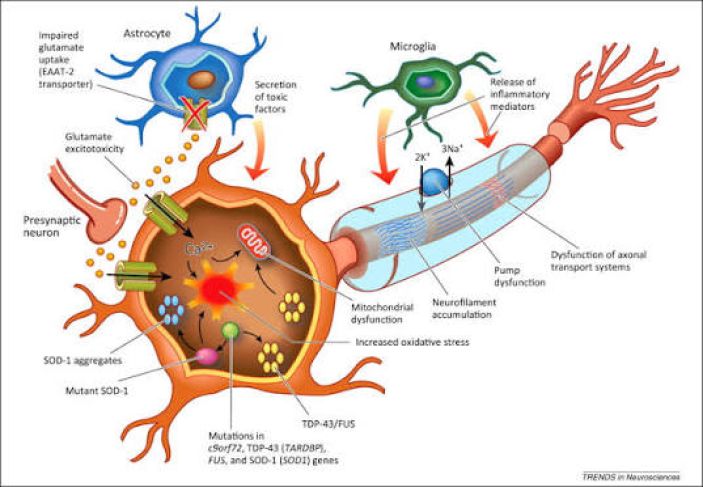
The cellular destruction observed in Creutzfeldt-Jakob Disease occurs through a self-propagating catalytic cascade. Once a pathological prion molecule forms or enters neural tissue, it interacts directly with native cellular prion proteins, acting as a physical template that forces the normal proteins to misfold into the toxic beta-sheet configuration. This chain reaction leads to the rapid assembly of insoluble, toxic protein aggregates throughout cerebral structures. As these protein deposits accumulate inside neurons, they disrupt essential organelle function, induce intense oxidative stress, trigger endo-reticular strain, and activate programmed cell death pathways. Furthermore, the accumulation of abnormal prions recruits microglia and astrocytes, inciting widespread neuroinflammation. Microscopically, the extensive loss of functional neurons combined with microglial activation leaves tiny microscopic vacuolar spaces throughout the cerebral gray matter, giving the affected brain tissue a characteristic sponge-like appearance under histological examination.
Etiological Classifications and Clinical Subtypes
Creutzfeldt-Jakob Disease manifests across distinct clinical classifications based on its etiology, each demonstrating identical cellular end-stage neurodegeneration despite different initiating triggers. Sporadic Creutzfeldt-Jakob Disease represents the vast majority of cases, arising spontaneously without an identifiable genetic mutation or exogenous exposure, likely due to a random somatic mutation or spontaneous protein misfolding event. Familial or inherited Creutzfeldt-Jakob Disease accounts for a smaller percentage of cases and stems from germline mutations in the prion protein gene, which destabilize the native protein structure and increase susceptibility to conformational misfolding. Acquired forms include iatrogenic Creutzfeldt-Jakob Disease, transmitted through contaminated neurosurgical equipment, cadaveric human growth hormone injections, or dura mater grafts, as well as variant Creutzfeldt-Jakob Disease, linked to dietary exposure to bovine spongiform encephalopathy.
Clinical Manifestations and Symptom Progression
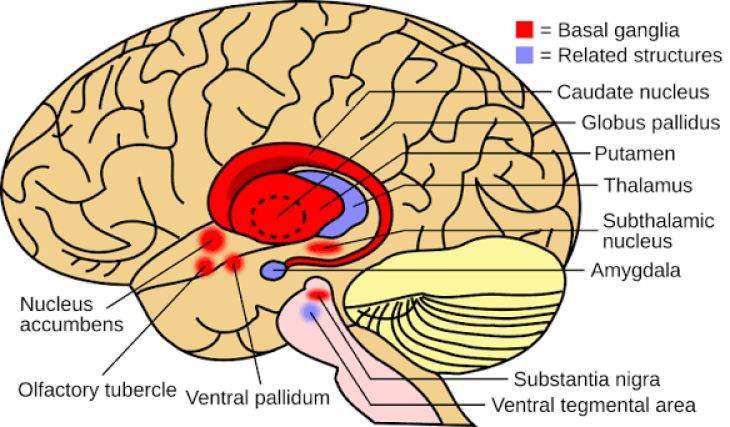
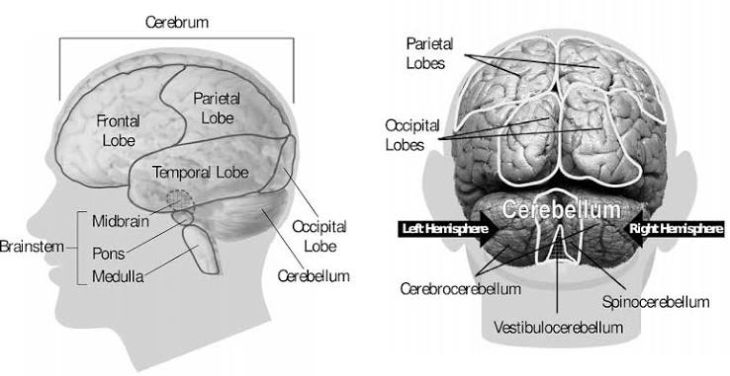
The clinical presentation of Creutzfeldt-Jakob Disease is distinguished by its extraordinarily rapid trajectory, progressing from mild early symptoms to profound neurological impairment over a matter of months. Initial manifestations often present subtly as subtle memory lapses, mood alterations, severe anxiety, insomnia, or mild executive dysfunction, which are frequently misattributed to psychiatric disorders or common neurodegenerative conditions. However, as spongiform degeneration spreads rapidly through the cerebral cortex, basal ganglia, and cerebellum, symptoms deteriorate rapidly. Patients develop rapidly progressive dementia accompanied by prominent motor impairments, including cerebellar ataxia, impaired coordination, slurred speech, and visual disturbances or cortical blindness. A characteristic clinical hallmark of advancing disease is myoclonus—sudden, involuntary, shock-like muscle jerks triggered by subtle auditory or tactile stimuli. In final stages, individuals enter a state of akinetic mutism, becoming completely unable to speak or move prior to terminal complications.
Diagnostic Protocols and Biomarker Identification
Establishing a diagnosis of Creutzfeldt-Jakob Disease during life requires combining structured clinical evaluations, specialized neuroimaging, electroencephalography, and cerebrospinal fluid biomarker analysis. Magnetic Resonance Imaging of the brain serves as a critical non-invasive tool, demonstrating characteristic hyperintensities within the basal ganglia, thalamus, and cortical ribboning on diffusion-weighted sequences. Electroencephalography frequently demonstrates generalized, periodic sharp wave complexes, which reflect widespread cortical dysfunction. In cerebrospinal fluid analysis, the Real-Time Quaking-Induced Conversion assay has revolutionized diagnostic accuracy by directly detecting minute quantities of misfolded prion proteins through real-time amplification. Supplementary CSF biomarkers, such as elevated levels of 14-3-3 protein and total tau protein, provide additional supportive evidence of rapid, extensive neuronal breakdown.
Clinical Management and Future Therapeutic Horizons
At present, Creutzfeldt-Jakob Disease remains an invariably fatal condition with no disease-modifying therapies capable of halting or reversing prion-driven neurodegeneration. Clinical management centers entirely on supportive palliative care tailored to maintain patient comfort and manage distressing symptoms. Pharmacological interventions focus on controlling myoclonus with antiepileptic or sedative agents, mitigating severe agitation or hallucinations with atypical antipsychotics, and providing adequate analgesia for central pain. Scientific research continues to explore experimental avenues aimed at halting prion propagation, including monoclonal antibodies targeted against the native prion protein, small molecule inhibitors designed to block beta-sheet aggregation, and gene-silencing technologies aimed at reducing overall prion protein production.
Conclusion
Creutzfeldt-Jakob Disease represents a devastating neurodegenerative disorder defined by the rapid transformation of normal cellular proteins into lethal, self-propagating prions. By examining how these misfolded proteins catalyst widespread vacuolar degeneration, neuroinflammation, and neuronal apoptosis, the biological underpinnings of its rapid cognitive and motor decline become apparent. Recognizing early warning indicators—such as rapidly progressive dementia, myoclonus, ataxia, and visual changes—enables clinicians to utilize advanced diagnostic modalities like MRI, specialized CSF assays, and electroencephalography to confirm the condition early. While current medical interventions remain limited to supportive comfort care, ongoing pharmacological research into prion inhibition offers hope for developing effective targeted therapies against this devastating brain condition.