What Are the Symptoms and Risks of Cardiomyopathy?
The heart is a powerful muscle that works continuously to pump blood throughout the body. When the heart muscle becomes weak, thick, stiff, or changes shape, it can affect how well the heart works. This group of conditions is known as cardiomyopathy.
Some people with cardiomyopathy have few or no symptoms in the early stages. Others may develop noticeable problems such as shortness of breath, tiredness, chest discomfort, or swelling. In some cases, cardiomyopathy can lead to serious complications.
Understanding its symptoms, causes, and risks can help you recognize warning signs and seek medical care when needed.
What Is Cardiomyopathy?
Cardiomyopathy refers to diseases that affect the heart muscle. The condition can make it harder for the heart to pump blood effectively or maintain a normal rhythm.
There are several types of cardiomyopathy, including:
Dilated cardiomyopathy: The heart chambers become enlarged and weakened.
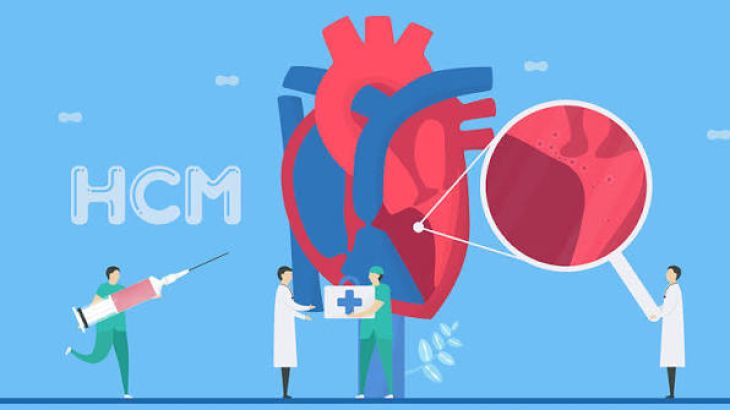
Hypertrophic cardiomyopathy: The heart muscle becomes unusually thick.
Restrictive cardiomyopathy: The heart muscle becomes stiff, making it harder for the heart to fill with blood.
Arrhythmogenic cardiomyopathy: Changes in the heart muscle can increase the risk of abnormal heart rhythms.
The effects and treatment options can vary depending on the type.
What Causes Cardiomyopathy?
Cardiomyopathy can develop for many different reasons. In some people, the exact cause is never identified.
Possible causes and contributing factors include:
-
Inherited genetic changes
-
High blood pressure
-
Coronary artery disease
-
Previous heart damage
-
Certain infections
-
Some medications or cancer treatments
-
Excessive alcohol use
-
Certain metabolic or nutritional conditions
-
Pregnancy-related changes in rare cases
Some types can run in families. If a close family member has been diagnosed with cardiomyopathy, discussing your family history with a healthcare professional may be important.
What Are the Common Symptoms?
Symptoms depend on the type and severity of cardiomyopathy. Some people may not notice any symptoms at first.
As the condition progresses, possible symptoms include:
Shortness of Breath
Breathlessness may occur during physical activity or, in more advanced cases, while resting. It can happen when the heart is unable to pump blood efficiently and fluid begins building up in the lungs.
Fatigue
Reduced blood flow to the body's tissues can make a person feel unusually tired or weak. Everyday activities that were once easy may become more difficult.
Swelling
Fluid can build up in the legs, ankles, feet, or abdomen when the heart is not pumping effectively.
Chest Pain
Some people with cardiomyopathy experience chest discomfort. Chest pain can have many causes, so unexplained or severe pain should be evaluated by a healthcare professional.
Dizziness or Fainting
Abnormal heart rhythms or reduced blood flow from the heart can cause dizziness, lightheadedness, or fainting.
Heart Palpitations
Some people may feel that their heart is racing, pounding, fluttering, or beating irregularly. These sensations may be caused by abnormal heart rhythms.
What Are the Risks of Cardiomyopathy?
Cardiomyopathy can sometimes lead to complications, particularly when it is severe or not properly managed.
Heart Failure
Heart failure can occur when the heart becomes too weak or stiff to pump enough blood to meet the body's needs. Symptoms may include breathlessness, swelling, fatigue, and reduced exercise ability.
Arrhythmias
Cardiomyopathy can interfere with the heart's electrical system and increase the risk of abnormal heart rhythms. Some arrhythmias may cause palpitations, dizziness, or fainting.
Blood Clots
Some types of cardiomyopathy can cause blood to move abnormally through the heart. This may increase the risk of blood clots, which can potentially travel to other parts of the body.
Heart Valve Problems
Changes in the heart's size or structure can sometimes affect how the heart valves function, potentially causing additional strain on the heart.
Sudden Cardiac Arrest
Certain forms of cardiomyopathy, particularly some inherited types, can increase the risk of dangerous heart rhythms that may lead to sudden cardiac arrest. This is uncommon but can be a serious complication.
Who Is at Higher Risk?
Some people have a greater risk of developing cardiomyopathy because of their medical or family history.
Risk may be higher in people who have:
-
A family history of cardiomyopathy or unexplained sudden death
-
Long-term high blood pressure
-
Coronary artery disease
-
Previous heart attacks
-
Certain infections or inflammatory conditions
-
Certain genetic conditions
-
A history of heavy alcohol use
-
Exposure to some medicines or treatments that can damage the heart
Having a risk factor does not mean that a person will definitely develop cardiomyopathy.
How Is Cardiomyopathy Diagnosed?
Doctors may use several tests to understand how the heart is functioning.
These can include an electrocardiogram (ECG), echocardiogram, chest imaging, blood tests, exercise testing, or cardiac MRI. Genetic testing may also be recommended in some families.
A healthcare professional may also ask about symptoms, medications, lifestyle habits, and family history.
FAQs
What is the most common symptom of cardiomyopathy?
Shortness of breath, fatigue, swelling, chest discomfort, dizziness, and heart palpitations are common symptoms. Some people may have no symptoms initially.
Can cardiomyopathy run in families?
Yes. Some forms of cardiomyopathy are linked to inherited genetic changes. A family history may increase the risk.
Can cardiomyopathy lead to heart failure?
Yes. Some forms can weaken or stiffen the heart enough to cause heart failure.
Is cardiomyopathy always serious?
Not always. Some cases are mild and can be managed with monitoring and treatment, while others can cause serious complications.
Can cardiomyopathy be cured?
A complete cure is not possible for every type, but treatment can often manage symptoms, improve heart function, and reduce the risk of complications.
Conclusion
Cardiomyopathy affects the heart muscle and can make it harder for the heart to pump blood normally. Symptoms may include shortness of breath, fatigue, swelling, chest discomfort, dizziness, fainting, and irregular heartbeats.
The condition can sometimes lead to complications such as heart failure, arrhythmias, blood clots, and, in certain cases, sudden cardiac arrest. However, early diagnosis and appropriate treatment can help many people manage cardiomyopathy and protect their heart health.