What Are the Symptoms, Risk Factors, and Diagnosis of Vulvar Cancer?
Vulvar cancer is a rare type of cancer that develops in the vulva, the external part of the female genital area. It can affect the skin around the vaginal opening, the inner or outer labia, and other nearby tissues.
The disease often develops slowly, and early changes may be mistaken for irritation or a common skin problem. Knowing the possible warning signs and risk factors can help women recognize when they should seek medical advice.
What Is Vulvar Cancer?
Vulvar cancer occurs when abnormal cells in the vulvar tissue begin to grow uncontrollably. Most cases are squamous cell carcinoma, which starts in the thin, flat cells that cover the skin.
Vulvar cancer can occur at different ages, but it is more common in older women. Some cases are linked to long-lasting infections with certain types of human papillomavirus, also known as HPV. Other cases develop through different changes in the vulvar skin.
What Are the Symptoms of Vulvar Cancer?
Vulvar cancer may cause changes in the skin or discomfort in the genital area. Possible symptoms include:
-
Persistent itching that does not improve
-
A lump, swelling, or growth on the vulva
-
A sore or ulcer that does not heal
-
Changes in skin color or thickness
-
Unusual bleeding that is not related to menstruation
-
Pain or burning in the vulvar area
-
Pain during urination
-
A mole or skin growth that changes in appearance
These symptoms can also occur because of infections, skin conditions, or other non-cancerous problems. However, symptoms that persist, worsen, or look unusual should be checked by a healthcare professional.
What Are the Risk Factors for Vulvar Cancer?
Several factors may increase the risk of developing vulvar cancer.
HPV Infection
Certain high-risk types of human papillomavirus can cause cell changes that may lead to vulvar cancer. HPV is common, and many infections clear naturally. However, some infections persist and increase the risk of certain cancers.
Increasing Age
Vulvar cancer is more frequently diagnosed in older women, although it can also affect younger women.
Smoking
Smoking can increase the risk of HPV-related vulvar cell changes and may contribute to the development of vulvar cancer.
Weakened Immune System
People with weakened immune systems may have more difficulty clearing certain infections, including HPV. This can increase the risk of related cell changes.
Vulvar Skin Conditions
Certain long-term skin conditions, such as lichen sclerosus, are linked to a higher risk of vulvar cancer. These conditions do not mean cancer will develop, but ongoing medical care may be important.
Having a risk factor does not mean someone will definitely develop vulvar cancer. Some people develop the disease without any known risk factors.
How Is Vulvar Cancer Diagnosed?
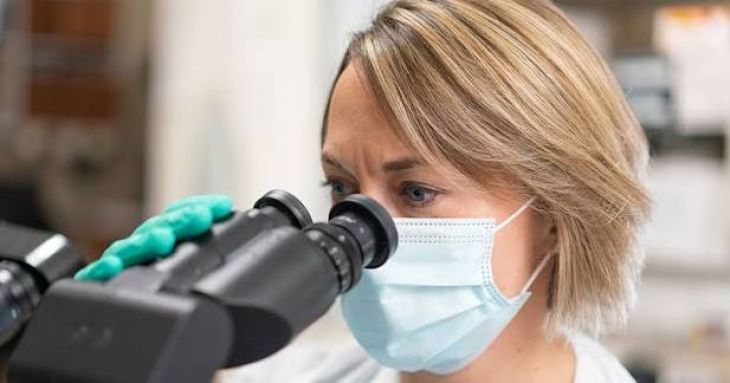
A doctor may begin by asking about symptoms and examining the vulvar area. If an unusual patch, lump, or sore is found, a biopsy may be recommended.
During a biopsy, a small sample of tissue is removed and examined in a laboratory to check for cancer cells.
If cancer is confirmed, additional tests may be used to determine its size and whether it has spread to nearby lymph nodes or other parts of the body. These results help doctors plan the most suitable treatment.
How Is Vulvar Cancer Treated?
Treatment depends on the type, size, location, and stage of the cancer, as well as the person's overall health.
Surgery is a common treatment and may involve removing the cancer and a small area of surrounding tissue. Nearby lymph nodes may also need to be checked.
Radiation therapy uses high-energy rays to destroy cancer cells. It may be used after surgery or in other situations depending on the case.
Chemotherapy uses medicines to kill or slow the growth of cancer cells. It may be combined with radiation therapy for certain cases.
Doctors choose a treatment plan based on the individual's diagnosis and medical needs.
Can Vulvar Cancer Be Prevented?
Not every case can be prevented, but some steps may reduce risk.
HPV vaccination can help protect against certain HPV types linked to vulvar cancer. Avoiding smoking may also lower risk.
Women with long-term vulvar skin conditions should follow their doctor's treatment and monitoring advice. Regular medical care can help identify unusual changes that need further examination.
When Should You See a Doctor?
Speak with a healthcare professional if you notice a persistent sore, lump, unusual skin change, unexplained bleeding, or itching that does not improve.
These symptoms do not automatically mean cancer. However, an examination can help identify the cause and determine whether further tests are needed.
FAQs
Is vulvar cancer common?
Vulvar cancer is relatively rare compared with many other cancers affecting women. However, persistent symptoms should still be evaluated.
Can HPV cause vulvar cancer?
Yes. Certain high-risk types of HPV are linked to some cases of vulvar cancer.
Is vulvar cancer treatable?
Yes. Treatment is available, and outcomes are often better when the disease is found early. The outlook depends on the cancer's type and stage.
Does vulvar itching always mean cancer?
No. Itching is often caused by skin irritation, infections, or other conditions. Persistent itching should be checked, especially if it occurs with a lump, sore, or skin change.
Can vulvar cancer return after treatment?
Yes, it can sometimes return. Follow-up appointments help doctors monitor recovery and check for signs of recurrence.
Conclusion
Vulvar cancer affects the external female genital area and may cause persistent itching, sores, lumps, pain, or skin changes. Although these symptoms can have many causes, unusual changes should not be ignored.
Understanding the risk factors and getting persistent symptoms checked can help with timely diagnosis. If you notice a change that does not improve, consult a healthcare professional for proper evaluation.