What Are the Symptoms, Risk Factors, and Diagnosis of Thymus Cancer?
Thymus cancer is a rare type of cancer that develops in the thymus, a small organ located in the upper chest behind the breastbone. This organ plays an important role in the immune system, especially during childhood, by helping certain white blood cells called T cells mature.
Thymus tumors are uncommon, and not every tumor in the thymus is cancerous. Some grow slowly, while others can be more aggressive. Because symptoms may not appear in the early stages, understanding the warning signs and diagnosis process is important.
What Is Thymus Cancer?
The thymus is located in the space between the lungs, near the heart and major blood vessels. It is most active during childhood and usually becomes smaller as a person gets older.
Two important types of tumors can develop in the thymus:
Thymoma: A tumor that develops from thymic epithelial cells. Many thymomas grow slowly, but some can invade nearby tissues.
Thymic carcinoma: A less common type that tends to behave more aggressively and may spread to other parts of the body.
Although these conditions are often discussed together, they are different diseases. Doctors use examination results and tissue analysis to determine the exact type.
What Are the Symptoms of Thymus Cancer?
Some people have no symptoms in the early stages. A tumor may be discovered accidentally during a chest X-ray or scan performed for another reason.
When symptoms occur, they may include:
Persistent cough: A tumor may press against nearby airways and cause an ongoing cough.
Chest pain or pressure: Growth in the chest may create discomfort.
Shortness of breath: A large tumor can press on nearby structures and make breathing difficult.
Difficulty swallowing: Pressure on the food pipe may cause problems with swallowing.
Hoarse voice: Pressure on nearby nerves can affect the voice.
Swelling in the face, neck, or upper chest: This can happen if a tumor blocks blood flow through a major vein.
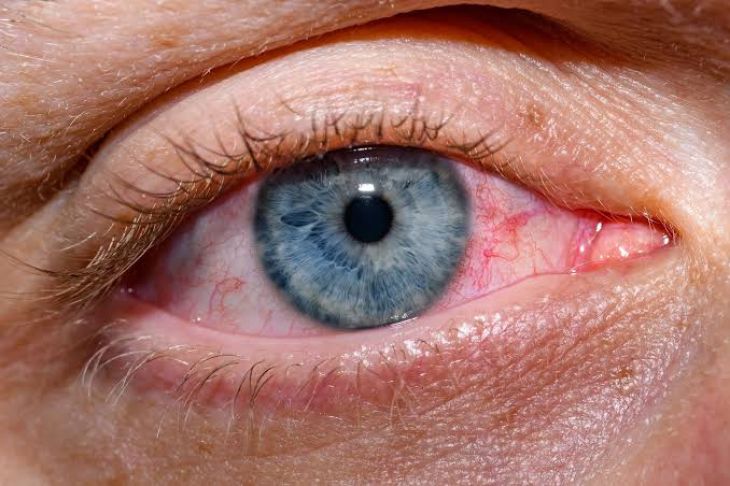
Thymus tumors can also be associated with certain immune system conditions. One example is myasthenia gravis, which may cause muscle weakness, drooping eyelids, double vision, or difficulty swallowing.
These symptoms can have many causes and do not automatically mean a person has thymus cancer. Persistent or unexplained symptoms should be assessed by a healthcare professional.
What Are the Risk Factors for Thymus Cancer?
The exact cause of thymus cancer is not fully understood. Unlike some other cancers, researchers have not established many clear lifestyle-related risk factors.
Possible factors and associations include:
Age: Thymic tumors are more commonly diagnosed in adults than in children.
Immune system conditions: Thymoma is associated with certain autoimmune disorders, particularly myasthenia gravis. This association does not mean that everyone with an autoimmune condition will develop a thymic tumor.
Other medical conditions: Some people with thymic tumors have additional immune-related disorders, although the relationship varies.
Genetic changes: Changes in genes within tumor cells may contribute to cancer development, but most cases do not have a clearly identified inherited cause.
There is currently no established method to prevent most cases of thymus cancer. Researchers continue to study how these tumors develop.
How Is Thymus Cancer Diagnosed?
Doctors use several tests to examine the thymus, identify a tumor, and determine whether it has spread.
Medical History and Physical Examination
The doctor asks about symptoms, medical history, and any existing conditions, including muscle weakness or other immune-related problems. A physical examination may help identify signs that require further testing.
Chest Imaging
A chest X-ray may reveal an abnormal mass, but a CT scan usually provides more detailed information about its size and location. MRI or PET scans may be recommended in selected cases to assess the tumor or investigate possible spread.
Biopsy and Tissue Testing
A biopsy involves collecting a tissue sample for examination under a microscope. However, a biopsy is not always the first step when a thymic tumor is suspected. Depending on the scan results and the treatment plan, a specialist may recommend surgery without a prior biopsy.
A pathologist examines the cells to determine whether the tumor is a thymoma, thymic carcinoma, or another condition.
Blood Tests
Blood tests cannot confirm thymus cancer on their own. However, they may help evaluate general health and investigate related conditions. If myasthenia gravis is suspected, doctors may order specific tests to assess it.
Additional Tests
If cancer is confirmed, further imaging or other investigations may help determine its stage. Staging describes how far the disease has grown or spread and helps doctors plan treatment.
When Should You See a Doctor?
Consult a healthcare professional if you have a persistent cough, unexplained chest discomfort, ongoing breathing problems, or unusual swelling around the face and neck.
Seek emergency care for severe or sudden breathing difficulty, significant chest pain, or rapidly increasing swelling of the face or neck.
Because thymus cancer is rare and its symptoms can resemble those of other conditions, a medical examination is the best way to identify the cause.
FAQs
Is thymus cancer common?
No. Thymus cancer is rare compared with many other cancers. Thymomas and thymic carcinomas are among the main types of cancerous tumors that develop in the thymus.
Is thymoma the same as thymus cancer?
Not exactly. Thymoma and thymic carcinoma are different types of thymic epithelial tumors. Their behavior and treatment can differ, so an accurate diagnosis is important.
Can thymus cancer cause muscle weakness?
It can be associated with myasthenia gravis, a condition that causes muscle weakness and may affect the eyes, face, swallowing, and breathing. However, muscle weakness has many possible causes and needs medical evaluation.
Can thymus cancer be detected early?
Sometimes. A thymic tumor may be found during imaging performed for another reason, even before symptoms appear. There is no routine screening test recommended for the general population.
Is thymus cancer treatable?
Treatment depends on the tumor type, its stage, and whether it can be removed safely. Options may include surgery, radiation therapy, chemotherapy, or a combination of treatments.
Conclusion
Thymus cancer is a rare disease that develops in an organ located behind the breastbone. Some tumors grow slowly, while others may spread more quickly. Persistent cough, chest discomfort, breathing difficulties, and unexplained swelling can require medical evaluation, although these symptoms do not necessarily indicate cancer. Imaging tests, specialist assessment, and tissue examination when appropriate help doctors identify the tumor and plan suitable treatment. Early medical evaluation can help people receive an accurate diagnosis and timely care.