What Are the Symptoms, Risk Factors, and Diagnosis of Merkel Cell Carcinoma?
Merkel cell carcinoma is a rare but aggressive type of skin cancer. It develops from Merkel cells, which are found in the skin and are involved in the sense of touch. This cancer often appears on sun-exposed areas, such as the face, neck, arms, and legs.
Merkel cell carcinoma can grow quickly and may spread to nearby lymph nodes or other parts of the body. Its early appearance can resemble a harmless skin bump, making it important to recognize unusual skin changes and seek medical advice promptly.
What Is Merkel Cell Carcinoma?
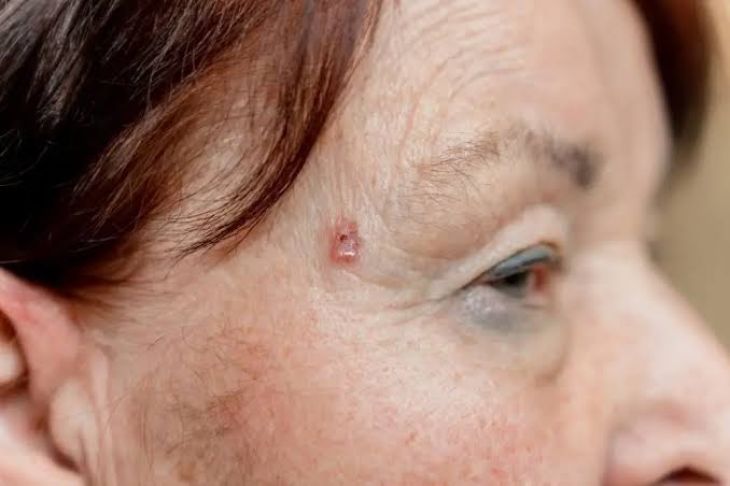
Merkel cell carcinoma is also known as neuroendocrine carcinoma of the skin. It usually develops as a firm, painless lump that may be pink, red, purple, or skin-colored.
Unlike some common skin cancers, Merkel cell carcinoma can grow rapidly over a short period. It is more common in older adults, although younger people can develop it too.
In many cases, the cancer is associated with Merkel cell polyomavirus. Long-term exposure to ultraviolet (UV) radiation from sunlight or tanning beds is another important risk factor. Not every case is linked to the virus.
What Are the Symptoms of Merkel Cell Carcinoma?
The most common warning sign is a new or changing lump on the skin. It may not hurt or cause discomfort at first.
Look for these possible symptoms:
A fast-growing lump: A small bump may increase in size over weeks or months.
Unusual skin color: The lump may appear red, pink, purple, bluish, or similar to the surrounding skin.
A firm or shiny surface: The growth may feel firm and look smooth or shiny.
A painless bump: The area may not itch or hurt, even as it grows.
A change in an existing skin growth: A lump that changes in size, shape, or appearance should be examined.
Swollen lymph nodes: Enlarged lymph nodes near the affected area may occur if the cancer spreads.
These signs do not always indicate cancer. Other skin conditions can cause similar changes. However, a new lump that grows quickly should be assessed by a healthcare professional rather than ignored.
What Are the Risk Factors for Merkel Cell Carcinoma?
Several factors can increase the risk of developing this rare skin cancer.
Older Age
Merkel cell carcinoma occurs most often in older adults. The risk generally increases with age.
UV Radiation Exposure
Long-term exposure to sunlight or artificial UV radiation from tanning beds can damage skin cells and increase the risk of skin cancer.
Weakened Immune System
People whose immune systems are weakened by certain illnesses, organ transplants, or immune-suppressing medicines have a higher risk of developing Merkel cell carcinoma.
Merkel Cell Polyomavirus
This virus is associated with many cases of Merkel cell carcinoma. However, infection is common, and most people who carry the virus do not develop this cancer.
Fair Skin
People with lighter skin may have a higher risk because their skin is more vulnerable to UV damage. However, Merkel cell carcinoma can affect people of any skin tone.
Having one or more risk factors does not mean a person will develop this cancer. Some people diagnosed with Merkel cell carcinoma have no obvious risk factors.
How Is Merkel Cell Carcinoma Diagnosed?
Doctors use a combination of skin examination, laboratory testing, and imaging when needed to diagnose this cancer and determine whether it has spread.
Skin Examination
A healthcare professional examines the lump and asks when it appeared, how quickly it has changed, and whether there are other skin changes or symptoms.
Skin Biopsy
A biopsy is the main way to confirm Merkel cell carcinoma. The doctor removes a sample of tissue, or sometimes the entire suspicious growth, for examination under a microscope.
A pathologist studies the cells and may use special laboratory tests called immunohistochemistry to distinguish Merkel cell carcinoma from other skin cancers and similar conditions.
Lymph Node Assessment
The doctor may examine nearby lymph nodes for swelling. A sentinel lymph node biopsy may be recommended to check whether cancer cells have reached the first lymph node or group of nodes that drain the affected area.
Imaging Tests
Depending on the examination and biopsy results, doctors may recommend CT, PET/CT, or MRI scans to look for signs that the cancer has spread. Not every patient needs every imaging test.
Additional Tests
In selected cases, blood tests or tests for Merkel cell polyomavirus-related markers may help doctors assess the disease or monitor treatment. These tests do not replace a skin biopsy.
Why Is Early Diagnosis Important?
Merkel cell carcinoma can grow quickly and spread before it causes pain or other obvious symptoms. Finding it early may give doctors more treatment options and improve the chance of controlling the disease.
Treatment depends on the cancer's stage and location. Options may include surgery, radiation therapy, immunotherapy, or a combination of treatments.
Anyone who notices a rapidly growing skin lump, an unexplained change in a skin growth, or a new firm bump should arrange a prompt medical examination, particularly if they have risk factors for skin cancer.
FAQs
Is Merkel cell carcinoma a common skin cancer?
No. It is rare compared with basal cell carcinoma and squamous cell carcinoma. However, it can be aggressive and requires timely medical attention.
Is Merkel cell carcinoma painful?
It is often painless, especially in its early stages. A lack of pain does not rule out cancer.
Can Merkel cell carcinoma spread to other parts of the body?
Yes. It can spread to nearby lymph nodes and, in more advanced cases, to organs or other tissues. Doctors use staging tests to assess how far it has spread.
Is Merkel cell carcinoma linked to sunlight?
Yes. UV radiation is an important risk factor. The disease is also associated with Merkel cell polyomavirus in many cases.
Can Merkel cell carcinoma be treated?
Yes. Treatment may include surgery, radiation therapy, immunotherapy, or other approaches depending on the stage and individual circumstances. A specialist can recommend the most suitable plan.
Conclusion
Merkel cell carcinoma is a rare skin cancer that can grow quickly and spread to other parts of the body. A fast-growing, firm, often painless lump is one of its main warning signs. Older age, UV exposure, a weakened immune system, and Merkel cell polyomavirus are associated with a higher risk. A skin biopsy is essential for confirming the diagnosis, while further tests may help determine the stage. Prompt medical evaluation of unusual or rapidly changing skin growths can help ensure timely diagnosis and treatment.