How a Stroke Affects the Brain and Body
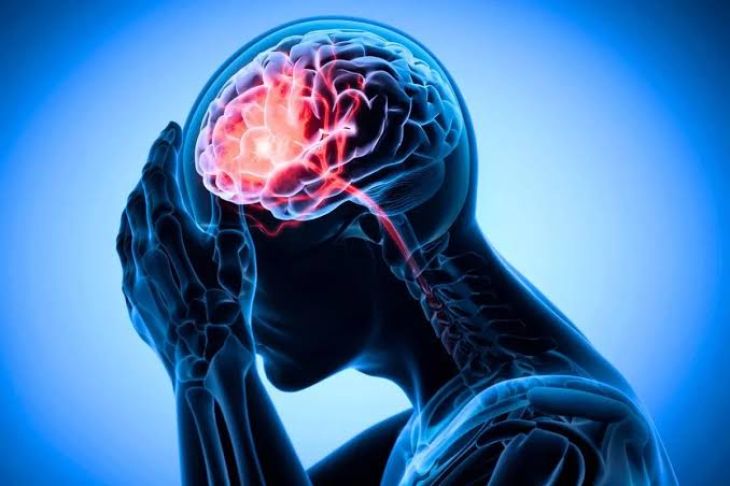
A stroke is a medical emergency that develops when the brain suddenly loses part of its blood supply or when bleeding occurs inside the brain. Brain tissue depends on a continuous flow of oxygen and nutrients to function properly. When this supply is interrupted, brain cells can become injured within a short period.
The effects of a stroke are not identical for everyone. The symptoms largely depend on which region of the brain has been affected and how much tissue has been damaged. A person may experience changes in movement, communication, eyesight, memory, coordination, swallowing, or emotional well-being. Some problems may improve during recovery, while others can remain for a longer time.
How Does a Stroke Affect the Brain?
Strokes are typically categorized based on the underlying cause of the brain disruption, whether that is a blocked blood vessel or bleeding from a ruptured vessel.
An ischemic stroke develops when a blood vessel supplying the brain becomes narrowed or blocked. As a result, the brain region receiving blood from that vessel is deprived of oxygen and nutrients.
A hemorrhagic stroke occurs when a blood vessel in the brain ruptures. Blood then escapes into surrounding brain tissue or nearby spaces. The bleeding can irritate brain tissue, increase pressure inside the skull, and interfere with normal neurological activity.
Since different sections of the brain are responsible for different jobs, the consequences depend heavily on the location of the injury. For example, damage involving areas responsible for movement may cause weakness, while injury to language-related regions can interfere with speaking or understanding words.
Changes in Movement and Physical Ability
Difficulty moving is one of the common consequences of stroke. A person may develop weakness, reduced control, or paralysis involving an arm, leg, or one side of the body.
Some individuals may also experience increased muscle stiffness or unusual muscle tone. Others may have trouble coordinating their movements. Tasks that once required little thought, such as standing, walking, reaching for an object, or putting on clothes, may suddenly become challenging.
Rehabilitation assists individuals in improving their strength, coordination, and mobility. Physical therapy often includes exercises and movement training designed around the individual's abilities and recovery goals.
How Stroke Can Affect Speech and Language
Communication can change when a stroke damages areas of the brain responsible for language. A person may have trouble speaking, understanding conversations, reading, or writing.
One condition that can occur is aphasia. Someone with aphasia may know what they want to communicate but struggle to find or organize the appropriate words. In other cases, the person may understand language but have difficulty producing clear speech because the muscles involved in speaking are not working normally.
These difficulties can be upsetting, especially when a person knows what they want to say but cannot communicate it easily. Speech-language therapy can support recovery and may also teach alternative ways of communicating.
Vision, Coordination, and Balance Problems
Changes in vision can occur after a stroke. Depending on the affected part of the brain, a person might experience reduced vision, double vision, blurred sight, or difficulty noticing objects on one side of their surroundings.
Balance and coordination may also be affected. An individual may experience instability while standing or walking, which complicates daily movements and elevates the risk of falling.
Rehabilitation professionals can introduce exercises and practical techniques to improve balance, coordination, and safe movement. When necessary, the use of proper support while walking may also be advised.
Changes in Memory and Thinking
Not every stroke-related effect is immediately noticeable. Some survivors experience changes in cognitive abilities, including memory, attention, judgment, planning, and problem-solving.
For example, someone might have difficulty remembering new information, concentrating on a conversation, following several instructions, or completing familiar tasks. Activities such as organizing appointments, preparing meals, handling finances, or planning a daily routine may require additional assistance.
These difficulties should not automatically be viewed as laziness or lack of concentration. They can result from changes in the way the brain processes and stores information following an injury.
Emotional and Behavioral Changes
A stroke can influence emotional health as well as physical functioning. A person may experience sadness, worry, frustration, irritability, or noticeable changes in emotional responses.
There can be several reasons for these changes. Injury to certain brain regions may directly influence emotions and behavior. Meanwhile, adapting to a loss of independence or new physical constraints can be emotionally challenging.
Family support, counseling, medical care, and rehabilitation services can help a person cope with these changes. Recognizing emotional difficulties early can make it easier to obtain appropriate support.
Difficulty Swallowing and Eating
Some stroke survivors develop problems with swallowing, a condition medically known as dysphagia. It can occur when the brain areas or muscles involved in swallowing are affected.
A person with swallowing difficulties may cough or choke during meals, have trouble moving food around the mouth, or feel that food remains in the throat. In some cases, food or liquid may accidentally enter the airway instead of passing safely into the digestive system.
Because swallowing problems can lead to serious complications, healthcare professionals may evaluate the person's swallowing ability. Depending on the findings, they may suggest changes in food consistency, eating techniques, positioning, or specific exercises.
Impact on Everyday Activities
A stroke can make ordinary activities more demanding. Personal tasks such as bathing, eating, brushing the teeth, dressing, preparing food, writing, using electronic devices, or climbing stairs may become difficult.
Occupational therapy can help stroke survivors regain practical abilities and learn safer ways to complete activities. Therapists may also recommend adaptations or assistive equipment when required.
Recovery does not always mean returning immediately to previous abilities. Small achievementscanbe meaningful. Holding an object independently, walking a short distance, dressing without assistance, or communicating a basic need can all represent valuable progress.
Possible Long-Term Effects of Stroke
The lasting effects of stroke vary considerably. Factors such as the location of the brain injury, the amount of tissue affected, the person's overall health, and the speed at which treatment was received can influence recovery.
Possible long-term difficulties may include:
- Weakness or paralysis
- Reduced mobility
- Problems with walking
- Speech or language difficulties
- Memory problems
- Reduced concentration
- Changes in eyesight
- Poor balance or coordination
- Difficulty swallowing
- Persistent tiredness
- Changes in mood or behavior
- Greater dependence on others for daily activities
Having one or more of these problems does not mean that improvement is impossible. Recovery can continue over an extended period, and the degree of improvement differs from person to person.
Why Immediate Stroke Treatment Is Important
A suspected stroke should always be treated as an emergency. The longer the brain remains without adequate blood flow, the greater the potential for permanent injury.
Stroke symptoms often begin suddenly. Warning signs may include weakness or numbness affecting one side of the body, trouble speaking or understanding words, sudden changes in vision, difficulty walking, loss of coordination, or a severe headache that develops unexpectedly.
Anyone experiencing possible stroke symptoms should receive emergency medical attention immediately. Symptoms that disappear after a short time should not be ignored. They may indicate a transient ischemic attack, commonly called a TIA, which can serve as a warning of a future stroke.
What Recovery After a Stroke Involves
Recovery begins after emergency treatment and continues according to the individual's needs. Once medically stable, a stroke survivor may participate in a rehabilitation program.
A rehabilitation team can involve doctors, nurses, physical therapists, occupational therapists, speech-language therapists, and other healthcare professionals.
Physical therapy may concentrate on walking, balance, flexibility, strength, and controlled movement. Occupational therapy focuses on practical activities and independence. Speech-language therapy can address difficulties involving communication, speech, language, and swallowing.
The recovery period can range from several weeks to many months or longer. Improvement may happen gradually rather than all at once. Regular therapy, medical follow-up, appropriate lifestyle changes, and encouragement from family members can support the recovery process.
Lowering the Risk of Another Stroke
People who have experienced a stroke may need to take steps to reduce their chances of having another one. The prevention plan depends on the individual's medical history and the underlying cause of the stroke.
Doctors may recommend keeping blood pressure within a healthy range and properly managing conditions such as diabetes and high cholesterol. Stopping tobacco use, maintaining a suitable body weight, staying physically active, and taking prescribed medicines correctly may also be important.
Food choices can contribute to overall cardiovascular health. A balanced eating pattern that includes vegetables, fruits, whole grains, suitable protein sources, and healthier types of fat can be beneficial.
Regular medical appointments are also important because they allow healthcare professionals to monitor risk factors and adjust treatment when necessary.
Conclusion
The consequences of a stroke can extend far beyond physical weakness. Since the brain manages movement, communication, memory, vision, coordination, emotions, swallowing, and many other functions, damage to a particular brain region can influence several areas of everyday life.
Recognizing possible stroke symptoms and obtaining emergency care without delay can be extremely important. After the initial medical treatment, rehabilitation may help a person rebuild abilities, become more independent, and adjust to any lasting changes.
Although some stroke-related problems may continue for a long time, recovery can still occur gradually. Medical care, rehabilitation, healthy lifestyle choices, and support from family and caregivers can all play valuable roles.
Understanding how stroke affects the brain and body can help people recognize warning signs, seek treatment promptly, support recovery, and take appropriate steps to protect their health in the future.