What Are the Risk Factors, Symptoms, and Prevention Tips for Cervical Cancer?
Cervical cancer develops in the cells of the cervix, the lower part of the uterus that connects to the vagina. It is one of the cancers that can often be prevented or found early through regular screening and vaccination.
Learning about cervical cancer, its risk factors, warning signs, and prevention can help people make informed decisions about their health.
What Is Cervical Cancer?
Cervical cancer begins when abnormal cells in the cervix start growing and multiplying in an uncontrolled way.
Most cervical cancers are linked to long-lasting infection with certain types of human papillomavirus (HPV). HPV is a very common infection that can spread through intimate skin-to-skin contact.
In many people, the immune system clears HPV naturally. However, when certain high-risk HPV infections remain for a long time, they can cause changes in cervical cells. These changes may eventually develop into cancer.
What Are the Risk Factors for Cervical Cancer?
Several factors can increase the risk of cervical cancer.
HPV Infection
Persistent infection with high-risk types of HPV is the most important risk factor for cervical cancer.
Because HPV infection is common and often causes no symptoms, a person may have an infection without knowing it.
Smoking
Smoking can increase the risk of cervical cancer. Chemicals from tobacco can affect the immune system and may make it harder for the body to clear HPV infection.
Quitting smoking can provide many health benefits and may reduce cancer risk.
Weakened Immune System
People with weakened immune systems may have a harder time clearing HPV infections.
Certain medical conditions and medicines that suppress the immune system can increase the risk of persistent HPV infection and related cervical changes.
Previous Cervical Cell Changes
People who have previously had abnormal cervical screening results may have a higher risk of developing cervical cancer.
Regular follow-up is important because abnormal cells can sometimes be treated before they become cancer.
Family History
Having a close family member with cervical cancer may be associated with a higher risk, although HPV infection remains the major risk factor.
What Are the Symptoms of Cervical Cancer?
Early cervical cancer may not cause any noticeable symptoms. This is one reason regular screening is important.
As the disease progresses, possible symptoms may include:
-
Unusual vaginal bleeding
-
Bleeding after sex
-
Bleeding between periods
-
Heavier or longer menstrual bleeding
-
Unusual vaginal discharge
-
Pelvic pain
-
Pain during sex
-
Back or leg pain in more advanced cases
-
Problems with urination or bowel movements in advanced disease
These symptoms can have many causes and do not necessarily mean that someone has cervical cancer.
However, unusual or persistent symptoms should be discussed with a healthcare professional.
How Is Cervical Cancer Prevented?
Cervical cancer is one of the cancers where prevention can make a major difference.
Get the HPV Vaccine
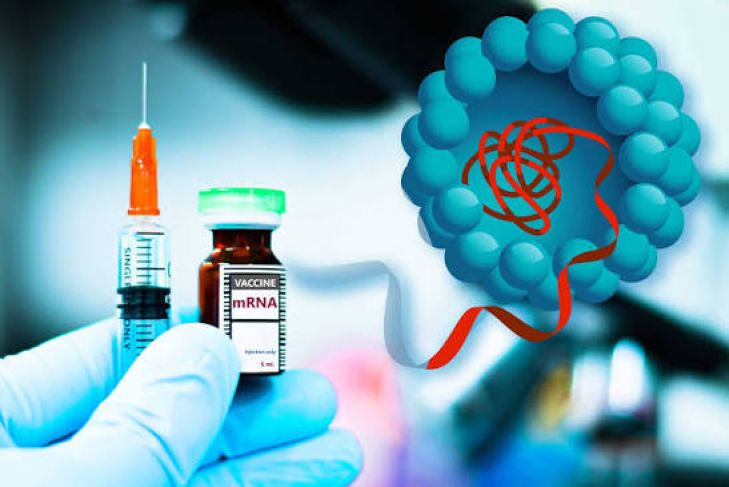
The HPV vaccine helps protect against HPV types that can cause several cancers, including cervical cancer.
Vaccination works best when given before exposure to HPV, but recommendations vary depending on age and individual circumstances.
Talk with a healthcare professional about whether HPV vaccination is appropriate for you or your child.
Get Regular Cervical Screening
Cervical screening can detect abnormal cell changes before they develop into cancer.
Depending on age, location, and healthcare guidelines, screening may involve an HPV test, a Pap test, or both.
Regular screening is important even if you have received the HPV vaccine because the vaccine does not protect against every HPV type that can cause cancer.
Avoid Smoking
Smoking can increase the risk of cervical cancer and many other diseases.
If you smoke, quitting can improve your overall health and reduce your exposure to harmful chemicals.
Practice Safer Sex
Using condoms and limiting exposure to HPV can reduce the chance of HPV transmission, although condoms cannot provide complete protection because HPV can affect areas not covered by them.
Having fewer sexual partners may also reduce the chance of HPV exposure.
How Is Cervical Cancer Diagnosed?
If a screening test shows abnormal results, additional testing may be recommended.
A healthcare professional may perform a colposcopy, which allows the cervix to be examined more closely. A biopsy may also be taken to examine cervical cells under a microscope.
If cancer is confirmed, additional tests may be used to determine whether it has spread and to help guide treatment.
How Is Cervical Cancer Treated?
Treatment depends on factors such as the type of cervical cancer, its stage, and the person's overall health.
Treatment may include:
-
Surgery
-
Radiation therapy
-
Chemotherapy
-
Targeted therapy
-
Immunotherapy
Some people receive more than one type of treatment.
When cervical cancer is found early, treatment is often more successful. This is another reason screening and follow-up are important.
FAQs
What is the main cause of cervical cancer?
Persistent infection with certain high-risk types of HPV is the main cause of cervical cancer.
Can cervical cancer be prevented?
Many cases can be prevented through HPV vaccination and regular cervical screening. Avoiding smoking can also reduce risk.
What is the most common symptom of cervical cancer?
Abnormal vaginal bleeding, including bleeding after sex or between periods, is a common warning sign. Early cervical cancer may cause no symptoms.
Can the HPV vaccine prevent cervical cancer?
The HPV vaccine protects against HPV types that cause many cases of cervical cancer. However, vaccination does not eliminate all cervical cancer risk, so recommended screening remains important.
Does an abnormal Pap test mean I have cancer?
No. An abnormal screening result does not necessarily mean cancer. It may indicate HPV infection or abnormal cell changes that require follow-up testing.
Conclusion
Cervical cancer develops in the cells of the cervix and is strongly linked to persistent infection with high-risk types of HPV. Although HPV infection is common, most infections do not lead to cancer.
The good news is that cervical cancer can often be prevented or detected early. HPV vaccination, regular cervical screening, avoiding smoking, and practicing safer sex can all help reduce risk.