What Is Restrictive Cardiomyopathy and How Does It Affect the Heart?
Introduction
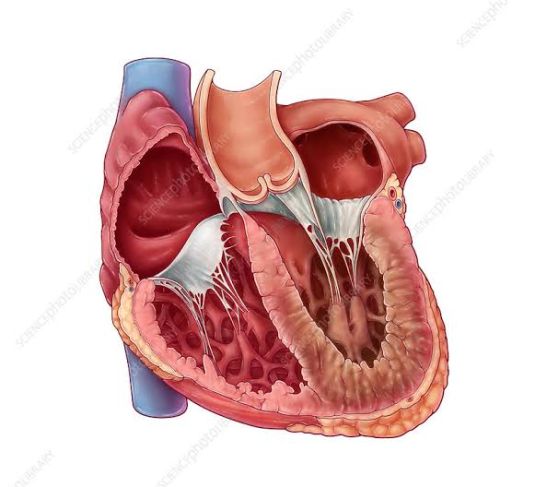
Restrictive cardiomyopathy is an unusual heart muscle disorder that affects the heart's ability to fill with blood properly. In this condition, the heart muscle becomes stiff or less flexible, making it difficult for the heart's lower chambers, called ventricles, to relax between heartbeats. Although the heart may continue pumping normally during the early stages, reduced filling can eventually interfere with blood circulation and cause symptoms of heart failure.
The condition can develop at different ages and may result from inherited genetic changes, diseases that cause abnormal substances to accumulate in the heart, or other medical conditions. In some cases, the underlying cause remains unknown. Common symptoms include shortness of breath, fatigue, swelling in the legs, and reduced ability to exercise. Because these symptoms can resemble those of other heart and lung conditions, diagnosis often requires specialized testing. Understanding the causes, warning signs, diagnosis, and treatment options can help people recognize potential problems and seek appropriate medical care. Although restrictive cardiomyopathy can be serious, early evaluation and individualized treatment may help manage symptoms and improve quality of life.
Causes and Risk Factors of Restrictive Cardiomyopathy
Restrictive cardiomyopathy develops when the heart muscle becomes abnormally stiff, limiting its ability to relax and fill with blood. Unlike some other types of cardiomyopathy, the heart's pumping ability may remain relatively normal initially, even though its filling function is impaired. Several medical conditions can cause this stiffness.
One major cause is cardiac amyloidosis, in which abnormal proteins accumulate in heart tissue and interfere with its normal structure. Another cause is cardiac sarcoidosis, an inflammatory condition that can affect heart tissue. Certain inherited genetic conditions may also change the structure or function of the heart muscle.
Other possible causes include iron overload, sometimes associated with hemochromatosis, and specific storage diseases. Previous radiation treatment involving the chest may also contribute to heart damage in some people. In certain cases, restrictive physiology develops without an identifiable underlying cause.
Risk factors depend on the specific condition responsible. A family history of cardiomyopathy or inherited disease may increase the risk of developing certain forms. Other risks are associated with systemic diseases that affect multiple organs. However, not everyone with these conditions develops restrictive cardiomyopathy.
Identifying the underlying cause is essential because treatment may involve addressing the specific disease as well as managing heart symptoms. A cardiologist may recommend blood tests, imaging, and other investigations to determine what is affecting the heart. Early evaluation can help guide treatment and reduce the risk of complications.
Common Symptoms and Effects on Heart Function
The symptoms of restrictive cardiomyopathy occur mainly because the heart cannot fill properly between contractions. As blood returning to the heart encounters increased resistance, pressure may rise inside the heart and nearby blood vessels. This can cause fluid to accumulate in the lungs or other parts of the body.
Shortness of breath is a common symptom, particularly during physical activity or when lying flat. Some people notice that everyday activities, such as climbing stairs or walking short distances, become increasingly difficult. Fatigue and weakness may also develop because the body does not receive enough blood to meet its needs during activity.
Fluid retention can cause swelling in the ankles, feet, legs, or abdomen. Some people experience a rapid or irregular heartbeat, dizziness, or reduced exercise tolerance. In more advanced cases, symptoms of heart failure may become persistent and interfere with daily life.
Restrictive cardiomyopathy can also affect the heart's electrical system, depending on its cause. This may increase the risk of abnormal heart rhythms or disturbances in electrical conduction. The severity and pattern of symptoms vary between individuals, and some people may have few noticeable symptoms during the early stages.
These warning signs are not specific to restrictive cardiomyopathy and can occur with other medical conditions. Persistent breathlessness, unexplained swelling, or unusual fatigue should therefore be assessed by a healthcare professional. Sudden severe chest pain, fainting, or significant difficulty breathing requires emergency medical attention.
Diagnosis and Medical Tests
Diagnosing restrictive cardiomyopathy involves examining symptoms, medical history, physical findings, and heart function. Because several conditions can produce similar symptoms, doctors may use multiple tests to determine whether the heart has a restrictive filling pattern and identify its underlying cause.
An echocardiogram is often one of the first investigations. This ultrasound test shows the heart's structure, chamber sizes, valve function, and movement of blood through the heart. It can help identify impaired ventricular filling and signs of increased pressure. An electrocardiogram, or ECG, records the heart's electrical activity and may reveal abnormal rhythms or conduction problems.
Blood tests can help assess heart stress, kidney function, iron levels, and other possible causes. When cardiac amyloidosis is suspected, specialized blood and urine tests may be used to investigate abnormal proteins. Cardiac magnetic resonance imaging can provide detailed information about heart tissue and help identify patterns associated with infiltration or inflammation.
In selected cases, doctors may recommend genetic testing, nuclear imaging, or a heart biopsy. A biopsy involves collecting a small tissue sample for examination and may be useful when other tests do not establish the diagnosis.
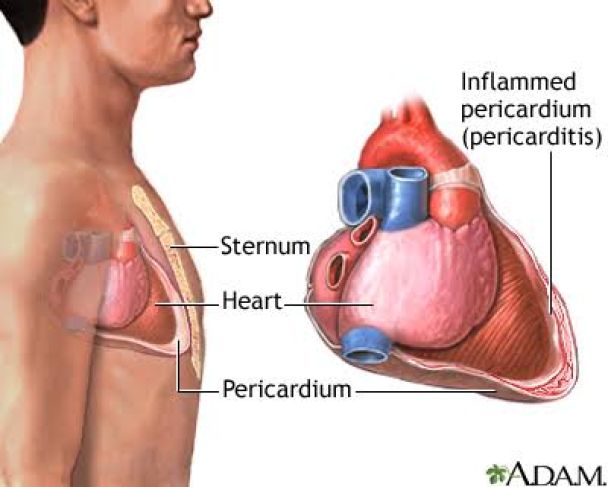
The choice of tests depends on the person's symptoms and suspected cause. An accurate diagnosis helps distinguish restrictive cardiomyopathy from conditions such as constrictive pericarditis, which can produce similar filling problems but affects the sac surrounding the heart. Identifying the cause is essential for selecting the most appropriate treatment and monitoring plan.
Treatment Options and Lifestyle Management
Treatment for restrictive cardiomyopathy depends on its underlying cause, severity, and effects on heart function. Although the stiffness of the heart muscle may not always be reversible, medical treatment can help relieve symptoms, manage complications, and improve daily functioning.
Doctors may prescribe diuretics to reduce excess fluid and relieve swelling or breathlessness. These medicines require careful monitoring because removing too much fluid can lower blood pressure and reduce the amount of blood returning to the heart. Other heart medications may be appropriate depending on the patient's blood pressure, heart rhythm, and individual needs.
Treating the underlying disease is particularly important. For example, cardiac amyloidosis may require disease-specific medication, while iron overload can be treated with therapies that reduce excess iron. Inflammatory or inherited conditions may also require specialized management. Treatment should be directed by a cardiologist familiar with the relevant condition.
Lifestyle measures can complement medical care. Patients may be advised to monitor their weight, follow individualized guidance about salt and fluid intake, avoid smoking, and maintain appropriate physical activity. Exercise recommendations should be discussed with a healthcare professional, especially if symptoms are significant. Regular appointments help doctors assess treatment effectiveness and identify changes in heart function.
In advanced cases, specialized procedures or heart transplantation may be considered for carefully selected patients. Not everyone requires the same approach, so treatment plans should be tailored to individual needs. Patients should never start, stop, or change heart medication without medical advice.
Conclusion: Recognizing Restrictive Cardiomyopathy Early
Restrictive cardiomyopathy is a heart muscle disorder that makes the ventricles less flexible and prevents them from filling with blood normally. Although the heart's pumping capacity may initially appear preserved, increasing pressure within the heart can eventually lead to breathlessness, fatigue, fluid retention, abnormal heart rhythms, and heart failure.
Understanding the warning signs is important because symptoms can resemble those of many other cardiovascular and respiratory conditions. Persistent shortness of breath, swelling in the legs, unexplained tiredness, or reduced ability to exercise should be discussed with a healthcare professional. Sudden or severe symptoms require urgent medical attention.
Diagnosis may involve echocardiography, ECG, blood tests, cardiac MRI, and other specialized investigations. Identifying the underlying cause is particularly important because some forms of restrictive cardiomyopathy have specific treatments that may slow disease progression or improve outcomes.
Although this condition can be complex, appropriate medical supervision, individualized medication, regular monitoring, and practical lifestyle modifications can help many patients manage their symptoms. Working closely with a cardiologist also allows treatment to be adjusted as the condition changes.