How Can Radiation Exposure Affect Cancer Risk?
Radiation is a part of everyday life. We are exposed to small amounts of radiation from natural sources in the environment, while medical imaging, certain workplaces, and other sources can lead to additional exposure.
Radiation is not always harmful. In fact, controlled radiation is an important part of modern medicine and is used to diagnose and treat many diseases.
What Is Radiation?
Radiation is energy that travels through space or materials. It can come from natural or human-made sources.
There are two broad categories:
-
Ionizing radiation
-
Non-ionizing radiation
Ionizing radiation has enough energy to remove electrons from atoms. This type includes X-rays, gamma rays, and certain radioactive materials. It can damage DNA and is the main type of radiation associated with cancer risk.
Non-ionizing radiation has less energy and includes radio waves, microwaves, visible light, and other forms of electromagnetic energy.
The cancer risk associated with radiation depends greatly on its type, dose, and duration of exposure.
How Can Radiation Cause Cancer?
Ionizing radiation can damage the DNA inside cells.
DNA controls how cells grow, divide, and function. When radiation causes DNA damage, the body can often repair the damage or remove the affected cells.
However, sometimes the damage is not repaired correctly. If a cell with certain genetic changes survives and continues multiplying, it may eventually contribute to cancer.
This does not mean that every exposure to radiation causes cancer. Cancer risk generally depends on the amount and type of exposure and individual factors.
What Are Common Sources of Radiation Exposure?
People can encounter radiation from many sources.
Natural Background Radiation
Everyone is exposed to some level of natural radiation. Sources include radiation from the ground, rocks, and cosmic rays from space.
Radon, a naturally occurring radioactive gas, is an important source of exposure in some homes and buildings. Long-term exposure to high levels of radon can increase the risk of lung cancer, particularly among people who smoke.
Medical Imaging
Medical procedures such as X-rays and CT scans use ionizing radiation.
These tests can provide important information that helps doctors diagnose and treat health conditions. The amount of radiation used is carefully controlled, and medical imaging is generally performed when the expected health benefit outweighs the potential risk.
However, unnecessary imaging should be avoided.
Radiation Therapy
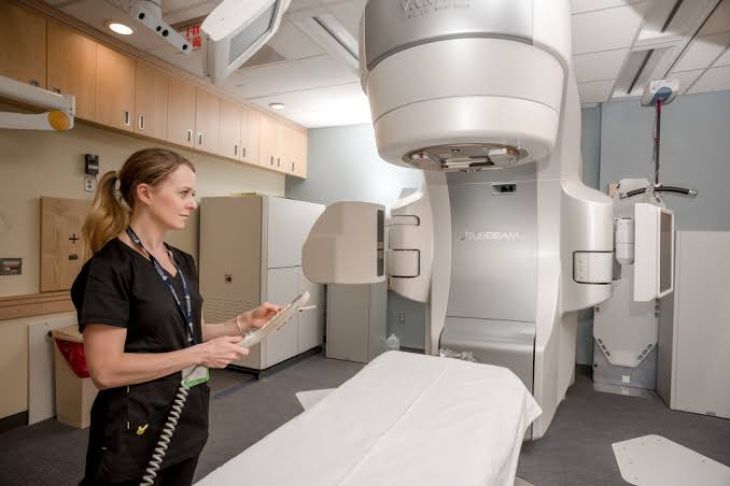
Radiation therapy intentionally uses high doses of radiation to destroy cancer cells.
This treatment can be highly effective and is an important part of cancer care. Because radiation can also affect nearby healthy cells, treatment is carefully planned to target the cancer while limiting exposure to surrounding tissue.
Radiation therapy can slightly increase the risk of developing another cancer later in life, but doctors consider this potential risk when deciding on treatment.
Workplace Exposure
Some workers may encounter radiation as part of their jobs.
Healthcare workers, nuclear industry workers, researchers, and certain industrial workers may have occupational exposure. Safety regulations, monitoring, and protective equipment help reduce unnecessary exposure.
Does Radiation Always Cause Cancer?
No.
Radiation exposure does not automatically lead to cancer. The risk depends on several factors, including:
-
Type of radiation
-
Amount of radiation
-
Duration of exposure
-
Age at exposure
-
Area of the body exposed
-
Repeated exposure
-
Individual health factors
A single low-dose medical X-ray, for example, is very different from long-term exposure to high levels of radiation.
Healthcare professionals consider these differences when evaluating the benefits and potential risks of medical procedures.
Does Age Affect Radiation Risk?
Age can influence how the body responds to radiation.
Children are generally more sensitive to ionizing radiation than adults because their bodies are still developing and they have more years ahead during which radiation-related cancer could potentially develop.
For this reason, doctors generally try to use the lowest radiation dose needed to obtain useful medical information, particularly in children.
Can Radiation Cause Different Types of Cancer?
Ionizing radiation has been linked with several types of cancer.
Depending on the exposure, increased risks can include:
-
Leukemia
-
Thyroid cancer
-
Breast cancer
-
Lung cancer
-
Skin cancer
-
Certain other cancers
The type of cancer that may develop can depend on which part of the body was exposed and the characteristics of the radiation exposure.
How Can You Reduce Unnecessary Radiation Exposure?
It is impossible to avoid all radiation. Natural background radiation is part of the environment, and medically necessary imaging can provide important benefits.
However, unnecessary exposure can sometimes be reduced.
Helpful steps include:
-
Follow medical advice about imaging tests.
-
Tell your healthcare professional about previous imaging when appropriate.
-
Ask whether a test is medically necessary if you have concerns.
-
Avoid unnecessary repeated scans.
-
Follow workplace radiation-safety procedures.
-
Test homes for radon when recommended in areas where radon may be a concern.
-
Follow instructions provided by radiation-safety professionals.
FAQs
Can radiation exposure cause cancer?
Yes. High or repeated exposure to certain types of ionizing radiation can damage DNA and increase the risk of cancer.
Does every X-ray increase cancer risk?
X-rays use ionizing radiation, but medical imaging is generally performed at carefully controlled doses. When an X-ray is medically necessary, its benefits usually outweigh the small potential radiation risk.
Can radiation therapy cause another cancer?
Radiation therapy can slightly increase the long-term risk of developing another cancer. However, it is carefully planned because its benefits in treating the original cancer can be substantial.
Is natural radiation dangerous?
Everyone experiences some natural background radiation. Certain sources, such as high levels of radon, can increase cancer risk when exposure is significant and prolonged.
Conclusion
Radiation is a normal part of the environment and has many valuable medical uses. However, high or repeated exposure to ionizing radiation can damage DNA and increase the risk of cancer.
Sources of ionizing radiation include certain medical imaging procedures, radiation therapy, radioactive materials, natural background radiation, and some workplace environments. The level of risk depends on the type and amount of exposure, as well as factors such as age and the part of the body exposed.