What Is Prinzmetal Angina and Why Can Coronary Arteries Suddenly Narrow?
Introduction: Dynamic Vascular Tone Versus Fixed Plaque Blockages
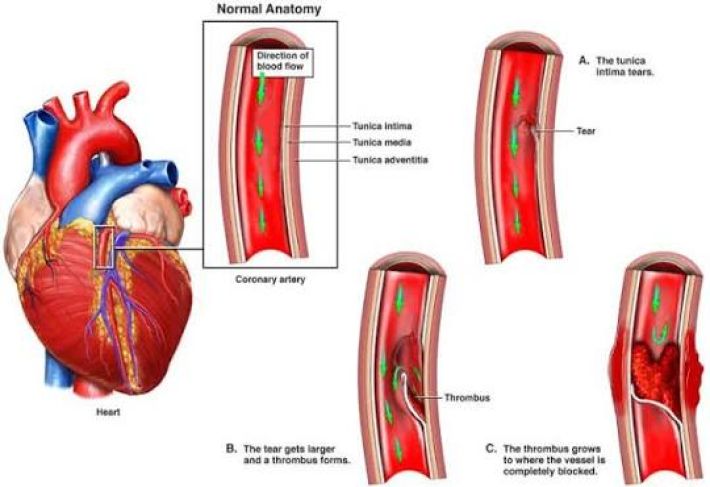
Traditional cardiology instruction typically characterizes ischemic heart distress as a predictable outcome of chronic arterial clogging. In conventional stable coronary disease, calcified lipid accumulations gradually diminish the vessel diameter over decades, causing chest tightness only when intense physical labor or rapid exertion demands elevated cardiac output. The moment the individual ceases physical movement and sits down, oxygen consumption drops back to baseline levels, and the discomfort swiftly dissolves.
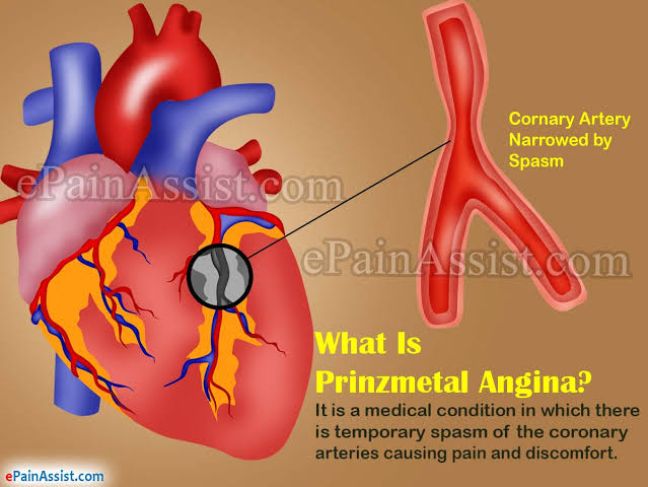
Yet an entirely distinct vascular phenomenon challenges this familiar mechanical paradigm. In this alternative presentation, agonizing substernal tightness strikes unpredictably while an individual is completely motionless, frequently waking them from deep rest during the quiet hours preceding dawn. Clinicians identify this condition as Prinzmetal angina, also referred to as variant or vasospastic angina. First documented by Dr. Myron Prinzmetal in the mid-twentieth century, this disorder stems not from permanent atherosclerotic blockages, but from sudden, severe cramps within the muscular walls of epicardial coronary trunks. Grasping the delicate biological pathways driving these abrupt arterial collapses is essential for timely diagnostic recognition and effective patient care.
Cellular Pathways: How Coronary Smooth Muscle Clamps Shut
To appreciate why a primary coronary trunk abruptly constricts, one must examine the micro-architectural components that regulate vascular dimensions. The blood vessels supplying the myocardium are dynamic muscular tubes featuring an inner single-cell endothelial lining encircled by a robust middle jacket of smooth muscle fibers. Under ordinary physiological conditions, endothelial cells continuously synthesize protective chemical regulators that dictate whether this surrounding muscular jacket remains relaxed or tightened, adapting arterial flow to the body's changing metabolic needs.
The primary chemical messenger ensuring arterial relaxation is nitric oxide, which diffuses effortlessly into adjacent smooth muscle tissue to lower intracellular free calcium concentrations and maintain open vessel lumens. In Prinzmetal angina, this protective regulatory framework breaks down due to an unfortunate combination of localized endothelial impairment and marked smooth muscle hyperreactivity. When damaged endothelial patches fail to release adequate nitric oxide, counterbalancing vasoconstrictor peptides take command. Simultaneously, intracellular signaling cascades inside the muscle fibers—most notably the Rho-kinase molecular pathway—become excessively sensitive. Even minor autonomic or chemical signals prompt an uncontrolled surge of calcium into the contractile machinery, locking the vessel into an acute, high-pressure muscular clamp that pinches the blood conduit shut within seconds.
Provocative Influences: External and Autonomic Triggers of Vasospasms
Unlike classic exertional angina, which tracks predictably with physical strain, coronary vasospasms are provoked by an assortment of chemical, autonomic, and environmental triggers that disturb vascular tone.
A prominent feature of this condition is its striking circadian rhythm, with episodes clustering heavily between midnight and eight o'clock in the morning. Throughout this nocturnal interval, the autonomic balance shifts toward enhanced parasympathetic activity, punctuated by sudden bursts of sympathetic discharge during rapid-eye-movement sleep cycles. These neurochemical shifts alter basal vascular resistance and can trigger severe spasms in sensitive arterial segments. Inhaling tobacco smoke or concentrated aerosolized nicotine stands out as another primary risk factor, as toxic combustion products injure endothelial cells while nicotine stimulates sympathetic nerve terminals.
Recreational stimulants such as cocaine and amphetamines provoke extreme surges of catecholamines while blocking their clearance, causing severe alpha-adrenergic overstimulation that can produce catastrophic arterial spasms even in teenagers with completely clear vessels. Sudden exposure to icy outdoor temperatures can reflexively trigger coronary constriction by activating cutaneous stress pathways. Acute mental panic accompanied by rapid, shallow hyperventilation similarly induces respiratory alkalosis, altering blood pH and making sensitized arterial smooth muscle fibers contract with sudden force.
Clinical Symptoms and Diagnostic Findings During an Episode
The physical sensations accompanying Prinzmetal angina can be deeply alarming because the pain strikes without warning during moments of complete physical tranquility.
Patients describe severe, suffocating pressure or burning sensations concentrated beneath the breastbone, which often travel upward into the lower jaw, across the shoulders, down the left arm, or directly into the back. These painful episodes regularly persist anywhere from five to thirty minutes before abating, frequently accompanied by profuse cold sweats, nausea, and lightheadedness. Because the spastic event completely shuts down blood delivery through the entire thickness of the ventricular wall, an electrocardiogram captured during an active episode reveals pronounced ST-segment elevation. This finding perfectly mimics an acute transmural heart attack, yet the elevated tracing drops promptly back to baseline the moment the muscular cramp relaxes and arterial perfusion returns.
Differentiating variant angina from classic obstructive disease requires thorough investigation because patients often show entirely normal electrocardiograms once they reach emergency triage. Clinicians rely on ambulatory continuous multi-day cardiac rhythm monitors to detect brief, asymptomatic or painful ST elevations that occur overnight. Coronary angiographic imaging is essential to confirm that the arteries are free of significant permanent plaque blockages. When visual evidence remains inconclusive, specialized cardiologists may cautiously deliver micro-doses of provoking agents like acetylcholine straight into the coronary circulation to visually verify whether the arterial segment spasms under controlled observation.
4. Medical Treatments, Absolute Drug Warnings, and Prevention
Managing vasospastic angina centers on calming hyperactive vascular smooth muscle tissue, reopening constricted conduits, and preventing future nocturnal spasms.
The foundation of long-term prevention rests upon oral calcium channel blockers, such as diltiazem, amlodipine, or verapamil. These agents block L-type voltage-operated calcium channels on arterial smooth muscle, preventing the rapid intracellular calcium surge required for sustained contractions and keeping coronary pathways relaxed. For immediate relief during sudden spasms, sublingual nitroglycerin tablets or sprays serve as rapid rescue tools, breaking down into nitric oxide to open constricted arterial walls within minutes. Long-acting oral nitrate formulations are frequently added to maintain stable vessel dilation throughout nighttime sleep.
A critical prescribing precaution involves standard non-selective beta-blockers, which are routinely prescribed for common heart conditions but are strictly contraindicated in pure vasospastic angina. Blocking beta-2 receptors eliminates their natural vasodilating effects while leaving alpha-1 vasoconstricting receptors completely unopposed, which can paradoxically turn mild spasms into severe arterial closures. Alongside targeted pharmacology, patients must eliminate all tobacco use, avoid illicit recreational stimulants, stay warm during freezing weather, and employ stress-reduction habits to keep the autonomic nervous system stable.
Conclusion: Recognizing the Dynamic Nature of Heart Disease
Prinzmetal angina illustrates that cardiovascular disease is not always a static structural problem caused by calcified plumbing blockages. The heart's arteries are living, responsive muscular channels capable of unpredictable contractions when cellular signaling fails.
Because variant angina strikes without warning at rest and mimics an acute heart attack on an electrocardiogram, early diagnosis is essential. Through high clinical vigilance, continuous cardiac rhythm tracking, targeted calcium antagonist therapy, and eliminating triggers like tobacco, individuals with vasospastic angina can safeguard their hearts from dangerous rhythm disturbances, avoid unnecessary invasive interventions, and lead full, healthy lives.