Understanding Anticonvulsants: How They Help Control Seizures
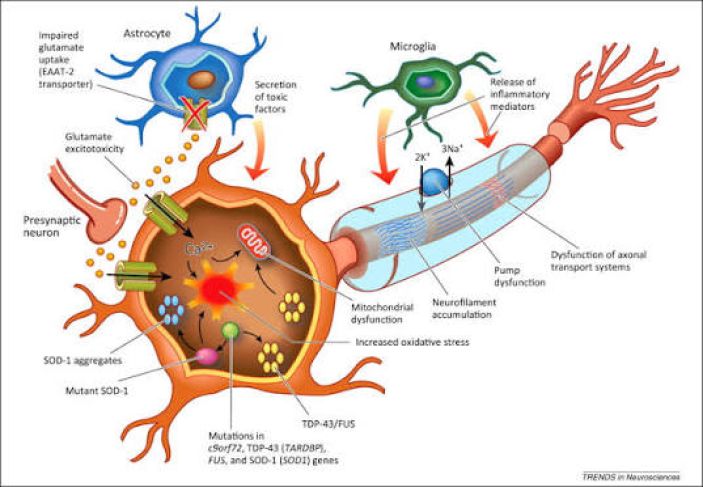
The central nervous system depends on an intricate, highly controlled equilibrium between inhibitory and excitatory bioelectric cascades across complex cellular networks. Under physiological conditions, healthy neurons convey signals through organized action potentials governed by tight ionic gradients across the cellular boundary. A seizure represents an abrupt disruption of this homeostatic control, culminating in widespread, excessive, and abnormal electrical synchronization within cerebral cortical circuits. Depending on the precise anatomical focus and degree of neural recruitment, these abnormal discharges manifest as discrete focal motor twitches, transient cognitive lapses, or dramatic generalized motor convulsions. Anticonvulsants—commonly termed antiepileptic therapeutics—are specialized chemical agents developed to dampen this pathological hyperexcitability, fortify neuronal membrane resilience, and block the spatial propagation of abnormal electrical activity through central pathways.
Ion Channel Modulation and Membrane Stabilization Kinetics
A principal pathway through which anticonvulsants stabilize erratic neural circuits involves the direct modulation of voltage-gated ion channels located along the axonal membrane. Action potential initiation and propagation rely on the rapid inward flow of sodium ions through voltage-sensitive channels, followed by intracellular calcium influx that triggers vesicle exocytosis at presynaptic terminals. Key pharmacological agents, such as carbamazepine, oxcarbazepine, and phenytoin, bind preferentially to the inactivated conformation of voltage-dependent sodium channels. By extending this inactive refractory state, these molecules selectively inhibit rapid, repetitive action potential trains without impairing baseline, low-frequency signaling. In a parallel manner, compounds like ethosuximide target low-threshold T-type calcium currents within thalamic pacemaker circuits, effectively suppressing the rhythmic oscillations responsible for primary absence events.
Amplifying Inhibitory Tone and Dampening Excitatory Signaling
In addition to channel-state modulation, anticonvulsant therapeutics restore network stability by manipulating central neurotransmitter dynamics—primarily by enhancing gamma-aminobutyric acid (GABA) inhibitory pathways or suppressing glutamatergic excitatory circuits. When GABA attaches to postsynaptic receptors, it opens chloride channels, causing membrane hyperpolarization that raises the threshold required to trigger an action potential. Pharmacological classes like benzodiazepines and barbiturates augment this natural protective barrier by binding specific sub-sites on the GABA-A receptor complex, thereby increasing either the opening frequency or conductance duration of chloride channels. Alternatively, agents such as valproic acid and tiagabine elevate synaptic GABA presence by inhibiting metabolic degradation or reuptake transporters. On the opposing side, novel compounds suppress excitation by blocking postsynaptic AMPA or NMDA receptors, halting downstream excitatory signaling cascades.
Spectrum Classification and Precision Drug Selection
Optimal clinical selection of antiepileptic therapy requires precise characterization of the underlying seizure pathology and overarching epilepsy syndrome. Anticonvulsants are categorized as either narrow-spectrum or broad-spectrum therapeutics according to their clinical activity profile. Narrow-spectrum compounds, such as ethosuximide, gabapentin, and carbamazepine, feature targeted mechanisms best suited for specific focal onset manifestations or isolated absence patterns; administering a narrow-spectrum agent for an incompatible seizure subtype can inadvertently exacerbate electrical instability. Conversely, broad-spectrum agents, including levetiracetam, topiramate, and lamotrigine, operate via multiple concurrent mechanisms, granting efficacy across focal, generalized, and mixed seizure presentations.
Pharmacokinetics, Serum Monitoring, and Safety Profiles
Managing anticonvulsant regimens requires continuous clinical attention to pharmacokinetic parameters due to narrow therapeutic indexes, inter-individual metabolic variations, and potential adverse reactions. Several established antiepileptics undergo extensive hepatic processing via cytochrome P450 enzymatic pathways, giving rise to potential drug-drug interactions or accelerated degradation of co-administered medications. Therapeutic drug monitoring—evaluating serum concentrations—is frequently utilized for agents with non-linear clearance, like phenytoin, to ensure therapeutic efficacy while avoiding concentration-dependent toxicities such as motor ataxia, nystagmus, excessive sedation, or cognitive impairment. Newer-generation anticonvulsants typically exhibit linear elimination kinetics with minimal hepatic induction, though clinicians must remain vigilant for idiosyncratic skin eruptions, mood alterations, or metabolic shifts.
Structured Clinical Strategies and Compliance Optimization
Achieving durable seizure suppression relies on a structured, patient-tailored therapeutic plan that maximizes seizure control while minimizing unwanted side effects. Monotherapy remains the standard initial strategy, commencing with conservative dosing and cautious upward titration until complete seizure control is realized or dose-limiting intolerance occurs. Should primary monotherapy prove insufficient, clinicians may combine agents featuring complementary mechanisms of action—a approach termed rational polytherapy. Long-term success is fundamentally dependent on rigorous regimen compliance, as missed or delayed doses remain a leading trigger for breakthrough seizures and status epilepticus. Patient education also focuses on lifestyle management, including adequate sleep hygiene, stress reduction, and avoiding substances that lower the seizure threshold.
Conclusion
Anticonvulsants serve an irreplaceable function in clinical neurology by targeting the fundamental ionic and neurochemical processes that drive abnormal neural firing. Through the modulation of voltage-gated ion channels, enhancement of inhibitory GABAergic networks, and suppression of excitatory glutamatergic signals, these medications interrupt hypersynchronous discharges and restore electrical balance within the brain. By combining accurate diagnostic classification, tailored broad- or narrow-spectrum selection, careful pharmacokinetic oversight, and sustained treatment adherence, medical practice can reliably control seizure activity, minimize adverse effects, and support long-term neurological health.