What Is Peripheral Artery Disease and How Does It Affect Circulation?
Your blood vessels play an important role in keeping your body supplied with oxygen and nutrients. Arteries carry oxygen-rich blood from the heart to different parts of the body. When these arteries become narrowed or blocked, blood may not flow properly. When this happens in the arteries that supply the arms and legs, it can lead to peripheral artery disease (PAD).
PAD is a common circulation problem that can cause leg pain, weakness, numbness, or coldness. Some people may have no noticeable symptoms at first.
What Is Peripheral Artery Disease?
Peripheral artery disease is a condition in which arteries outside the heart and brain become narrowed, reducing blood flow to the limbs. It most commonly affects the legs.
The most common cause of PAD is atherosclerosis. This occurs when fatty deposits, cholesterol, and other substances build up inside artery walls. The buildup, known as plaque, can gradually narrow the space through which blood flows.
As a result, muscles and tissues may not receive enough oxygen-rich blood, particularly during physical activity.
How Does PAD Affect Circulation?
Healthy arteries allow blood to flow freely throughout the body. When plaque builds up, the arteries can become stiff and narrow.
During exercise or walking, muscles need more oxygen. Narrowed arteries may not be able to deliver enough blood to meet this increased demand.
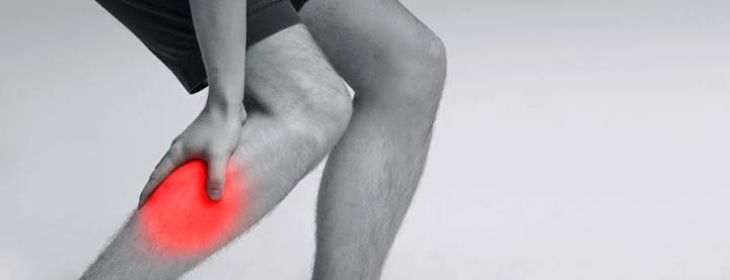
This can cause pain or cramping, particularly in the legs. The discomfort often improves after resting because the muscles need less oxygen when activity stops.
As PAD becomes more advanced, reduced blood flow can affect the legs and feet even when a person is resting.
What Are the Symptoms of PAD?
Some people with peripheral artery disease have few or no symptoms. When symptoms occur, they may include:
-
Pain or cramping in the legs while walking
-
Pain that improves after resting
-
Leg weakness or tiredness
-
Numbness or tingling
-
Coldness in the lower leg or foot
-
Changes in skin color
-
Slower growth of toenails or leg hair
-
Sores on the feet or legs that heal slowly
Pain caused by reduced blood flow during activity is called claudication.
The location of the pain depends on which arteries are affected. It may occur in the calves, thighs, hips, or buttocks.
What Causes Peripheral Artery Disease?
Atherosclerosis is the most common cause of PAD, but several factors can increase the risk of developing it.
Smoking
Smoking damages blood vessels and greatly increases the risk of PAD. It can also make the disease worse and increase the risk of complications.
Diabetes
High blood sugar can damage blood vessels over time and increase the risk of circulation problems.
High Blood Pressure
Long-term high blood pressure can damage artery walls and contribute to plaque buildup.
High Cholesterol
High levels of LDL cholesterol can contribute to plaque formation inside arteries.
Age
The risk of PAD increases as people get older.
Physical Inactivity
A lack of regular physical activity can contribute to several PAD risk factors, including excess weight, high blood pressure, and unhealthy cholesterol levels.
Who Is at Higher Risk?
PAD is more likely in people who have multiple cardiovascular risk factors.
Your risk may be higher if you have:
-
A history of smoking
-
Diabetes
-
High blood pressure
-
High cholesterol
-
Heart disease
-
A family history of cardiovascular disease
-
Increasing age
Having these risk factors does not mean you will definitely develop PAD, but they make prevention and regular health checks particularly important.
Why Is PAD More Than a Leg Problem?
Peripheral artery disease is a sign that plaque may be developing throughout the body's blood vessels.
People with PAD have an increased risk of other cardiovascular problems, including heart attack and stroke.
This is because the underlying process that narrows arteries in the legs can also affect arteries supplying the heart and brain.
For this reason, diagnosing PAD can provide an opportunity to identify and manage other cardiovascular risk factors.
How Is PAD Diagnosed?
A healthcare professional may begin by asking about symptoms and examining the legs and feet.
One common test is the ankle-brachial index (ABI). This test compares blood pressure in the ankle with blood pressure in the arm to assess blood flow to the legs.
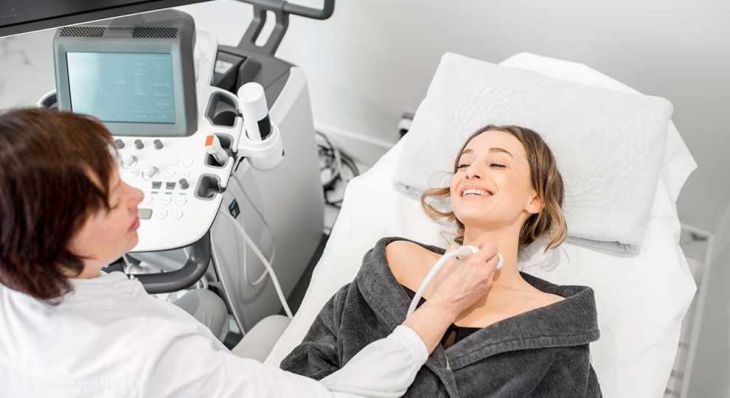
Other tests, such as Doppler ultrasound or imaging studies, may be recommended when more information is needed.
How Is Peripheral Artery Disease Treated?
Treatment focuses on improving blood flow, reducing symptoms, and lowering the risk of heart attack and stroke.
Healthy lifestyle changes can play an important role. These may include:
-
Quitting smoking
-
Staying physically active
-
Eating a heart-healthy diet
-
Maintaining a healthy weight
-
Managing blood pressure
-
Controlling blood sugar
-
Managing cholesterol
Doctors may also prescribe medications to control cholesterol, blood pressure, blood sugar, or the risk of blood clots.
In severe cases, procedures may be used to restore blood flow through a narrowed or blocked artery.
FAQs
What is the main symptom of peripheral artery disease?
Pain or cramping in the legs while walking that improves with rest is one of the most common symptoms.
Can PAD affect both legs?
Yes. Peripheral artery disease can affect one or both legs, depending on where artery narrowing occurs.
Can peripheral artery disease be cured?
There is not always a complete cure, but lifestyle changes, medications, and medical procedures can improve symptoms, blood flow, and long-term health.
Does smoking make PAD worse?
Yes. Smoking is a major risk factor for PAD and can worsen circulation and increase the risk of complications.
Is peripheral artery disease dangerous?
PAD can become serious, particularly if blood flow becomes severely restricted. It also increases the risk of cardiovascular problems such as heart attack and stroke.
Conclusion
Peripheral artery disease occurs when narrowed or blocked arteries reduce blood flow to the arms or legs, most commonly the legs. It is often caused by plaque buildup and can lead to pain, weakness, numbness, coldness, and slow-healing wounds.