What Are the Risk Factors and Warning Signs for Pancreatic Cancer?
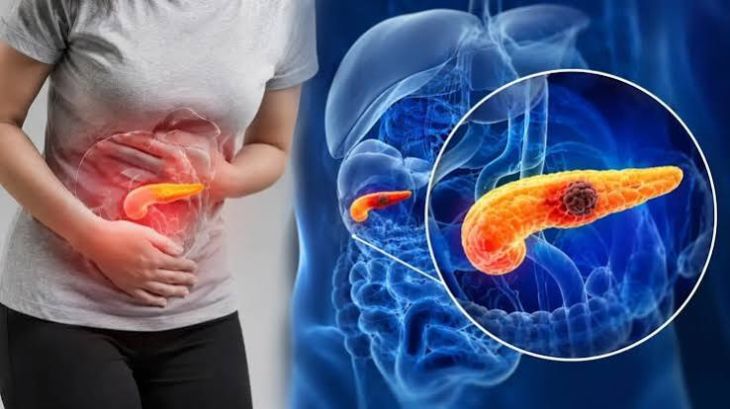
Pancreatic cancer is a type of cancer that starts in the pancreas, an organ located behind the stomach. The pancreas plays an important role in digestion and helps control blood sugar by making hormones such as insulin.
In its early stages, pancreatic cancer may not exhibit obvious symptoms, making detection challenging. People can determine when to consult a doctor by being aware of the warning symptoms and risk factors.
What Is Pancreatic Cancer?
Pancreatic cancer happens when abnormal cells in the pancreas begin to grow out of control. These cells can form a tumor and may spread to nearby organs or other parts of the body.
Most pancreatic cancers begin in cells that help produce digestive fluids. Although certain circumstances can raise the risk, anyone can be affected by the disease.
What Are Pancreatic Cancer Warning Signs?
The symptoms of pancreatic cancer can vary from person to person. Some common warning signs include:
Abdominal or Back Pain
There may be upper abdominal pain that occasionally radiates to the back. The pain may become worse after eating or when lying down.
Unexplained Weight Loss
Losing weight without trying can be a warning sign of several health problems, including pancreatic cancer. Reduced appetite or problems with digestion may contribute to weight loss.
Yellow Skin or Eyes
Yellowing of the skin or whites of the eyes is called jaundice. It can happen when a tumor blocks the bile duct and prevents bile from flowing normally.
Changes in Digestion
Some people may experience nausea, bloating, diarrhea, constipation, or changes in their stool. Problems digesting food can sometimes occur when the pancreas is not working properly.
Loss of Appetite
A person may feel less interested in food or become full after eating only a small amount.
Dark Urine or Pale Stool
When bile flow is obstructed, the color of the urine and feces may change. Dark urine and pale or greasy stools should be discussed with a healthcare professional.
New or Worsening Diabetes
Pancreatic problems can affect insulin production. In some people, pancreatic cancer may be linked with newly developed diabetes or changes in existing diabetes.
It's crucial to keep in mind that pancreatic cancer is not always indicated by these symptoms. Many other conditions can cause similar symptoms.
What Are the Pancreatic Cancer Risk Factors?
A risk factor is something that may increase a person's chance of developing a disease. Having a risk factor does not mean that a person will definitely develop pancreatic cancer.
Common risk factors include:
Smoking
One of the main avoidable risk factors for pancreatic cancer is smoking. The risk can increase with long-term smoking.
Age
The risk of pancreatic cancer generally increases as people get older. It is more common in older adults than in younger people.
Family History
Having close family members with pancreatic cancer may increase a person's risk. Certain inherited genetic conditions can also play a role.
Chronic Pancreatitis
Long-term inflammation of the pancreas, known as chronic pancreatitis, can increase the risk of pancreatic cancer.
Diabetes
An elevated risk of pancreatic cancer is linked to diabetes. However, the relationship is complex, and having diabetes does not mean a person will develop cancer.
Obesity
Being overweight or having obesity may increase the risk of pancreatic cancer. Overall health can be supported by maintaining a healthy weight.
Certain Genetic Changes
Some inherited genetic conditions can increase the likelihood of developing pancreatic cancer. Speaking with a healthcare provider about their risk may be beneficial for people with a significant family history.
How Is Pancreatic Cancer Diagnosed?
Doctors may use several tests when pancreatic cancer is suspected. These can include imaging tests such as CT scans or MRI scans, blood tests, and other procedures.
A biopsy may also be performed to examine cells under a microscope and determine whether cancer is present.
The exact tests depend on a person's symptoms, medical history, and what the doctor finds during an examination.
Can Pancreatic Cancer Be Prevented?
There is no guaranteed way to prevent pancreatic cancer. However, some healthy choices may help lower the risk.
Avoiding tobacco, maintaining a healthy weight, staying physically active, eating a balanced diet, and limiting alcohol can support better overall health.
Individuals who have a significant family history of pancreatic cancer should speak with a medical expert about their risk. In certain circumstances, genetic counseling might be advised.
FAQs
Is pancreatic cancer always painful?
No. Some people may have little or no pain, especially during the early stages. As the illness worsens, some people may experience back or stomach pain.
Can pancreatic cancer be indicated by diabetes?
New or worsening diabetes can sometimes be associated with pancreatic cancer, but diabetes is much more commonly caused by other factors. It should not be considered proof of cancer.
Is pancreatic cancer hereditary?
A family history of the illness or inherited genetic alterations are associated to some cases. Most cases, however, are not caused by a single inherited condition.
Can smokers develop pancreatic cancer?
Yes. Smoking increases the risk of pancreatic cancer. Quitting smoking can reduce this risk over time and provides many other health benefits.
What is the most common warning sign?
There is no single warning sign that appears in everyone. Jaundice, unexplained weight loss, abdominal or back pain, and digestive changes can occur, but symptoms vary.
Conclusion
Because the early signs of pancreatic cancer may be modest or resemble other health issues, it can be challenging to diagnose. Knowing the possible warning signs and risk factors can help people seek medical advice when something does not feel right.
Symptoms such as unexplained weight loss, jaundice, ongoing abdominal pain, or changes in digestion should be discussed with a healthcare professional. Early medical evaluation can help identify the cause and guide the right next steps.