How Are Organoids Helping Scientists Study Human Diseases?
Scientists are always looking for better ways to understand diseases and develop new treatments. One technology getting a lot of attention is organoids. These are tiny, three-dimensional structures grown in laboratories that can copy some of the features of human organs.
Organoids cannot replace a complete human organ, but they can give researchers a closer look at how diseases develop and how cells respond to different treatments.
What Are Organoids?
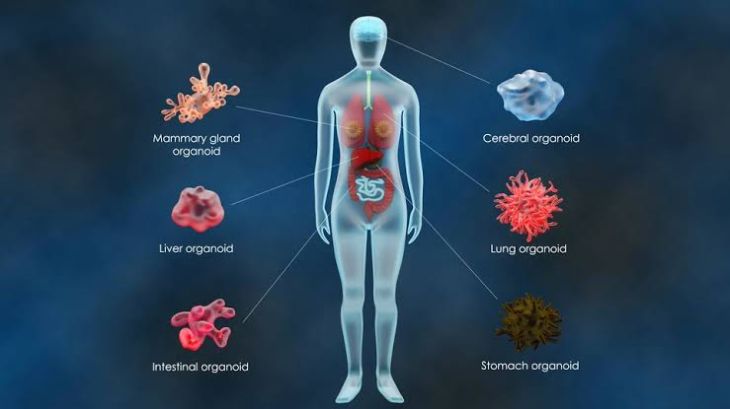
Organoids are small groups of cells that are grown under special laboratory conditions. Researchers often create them from stem cells or other types of cells.
With the right conditions, these cells can organize themselves into structures that resemble parts of organs such as the brain, intestine, liver, kidney, or lungs.
Because they have some features of real human tissues, organoids can be used to study normal body functions as well as diseases.
How Do Organoids Help Scientists Study Diseases?
Traditional laboratory research often uses cells grown in flat layers. While this method is useful, it does not always show how cells behave inside a three-dimensional human organ.
Organoids provide a more realistic environment. Their three-dimensional structure allows researchers to study how cells communicate, grow, change, and react to disease.
For example, scientists can use organoids to examine how cancer cells develop or how viruses affect human tissues.
Studying Cancer With Organoids
Cancer research is one area where organoids are especially useful.
Researchers can create organoids from tumor cells taken from patients. These models may retain some of the characteristics of the original tumor.
Scientists can then study how the cancer grows and test different treatments in the laboratory. This may help researchers understand why some cancer cells respond to a treatment while others do not.
Patient-derived organoids are also being studied as a way to explore more personalized approaches to cancer treatment.
Understanding Infections
Organoids can also help scientists study infectious diseases.
Researchers can expose certain organoids to viruses, bacteria, or other disease-causing organisms and observe what happens to the tissue.
For example, intestinal organoids can be used to study infections affecting the digestive system, while lung organoids can help researchers investigate respiratory diseases.
This allows scientists to examine disease processes in human-like tissues without immediately testing every question in people.
Studying Genetic Diseases
Some diseases are caused by changes in genes. Organoids can help researchers understand how these genetic changes affect cells and tissues.
Scientists can create organoids using cells that carry a specific genetic change. They can compare these organoids with healthy ones to see how the disease develops.
Gene-editing technologies can also be used in research to change specific genes in organoid cells. This can help researchers investigate whether a particular genetic change is connected to a disease.
Testing New Medicines
Developing a new medicine can take many years. Researchers need to understand whether a potential treatment works and whether it could cause harmful effects.
Organoids can be used as one part of this testing process. Scientists can expose organoids to potential medicines and observe how the tissue reacts.
This may help researchers identify promising treatments earlier and understand how certain drugs affect human tissues.
However, organoid testing does not replace clinical trials. A treatment that works in an organoid still needs to be carefully tested in people.
Studying Brain Diseases
Brain organoids, sometimes called brain or neural organoids, are being used to study conditions affecting the nervous system.
They can contain several types of brain-related cells and may reproduce some features of early human brain development.
Researchers are studying organoids to better understand conditions such as developmental disorders, neurological diseases, and certain brain cancers.
Because studying the human brain directly can be difficult, these laboratory models can provide an additional research tool.
What Are the Limitations of Organoids?
Organoids are promising, but they are not perfect copies of human organs.
They are usually much smaller than real organs and may not contain every type of cell found in a fully developed organ. They may also lack important features such as normal blood circulation and connections with other body systems.
Because of these limitations, scientists usually combine organoid research with other laboratory methods, animal studies, computer models, and clinical research.
What Could the Future of Organoid Research Look Like?
As technology improves, scientists may be able to create organoids that more closely resemble human tissues.
Researchers are also exploring ways to connect different types of organoids to study interactions between organs. Advances in stem cell research, gene editing, and artificial intelligence could make these models even more useful.
In the future, organoids may help researchers better understand diseases, identify potential treatments, and explore personalized medicine.
FAQs
Are organoids real organs?
No. Organoids are laboratory-grown structures that imitate some features of organs. They are much smaller and simpler than complete human organs.
What are organoids made from?
They are commonly made from stem cells or other specialized cells that can grow and organize under controlled laboratory conditions.
Can organoids be used to test medicines?
Yes. Researchers can use organoids to study how tissues respond to potential medicines. However, laboratory results do not replace testing in people.
Can organoids help cancer research?
Yes. Cancer organoids can help researchers study tumor behavior and investigate how cancer cells respond to different treatments.
Do organoids replace animal studies?
Not completely. Organoids provide another research tool, but many questions still require other experimental methods before treatments can be evaluated in humans.
Conclusion
Organoids are giving scientists a new way to study human diseases in the laboratory. By creating tiny tissue models that reproduce some features of human organs, researchers can investigate disease processes, test potential medicines, and explore genetic changes.
Although organoids have limitations, continued research could make them increasingly valuable in medical science. They may eventually contribute to better disease research and more personalized approaches to treatment.