What Are the Warning Signs and Diagnosis of Nasal and Sinus Cancers?
Nasal and sinus cancers are rare cancers that develop in the nasal cavity or the sinuses around the nose. Because their early symptoms can look like common problems such as sinus infections, allergies, or a blocked nose, they may sometimes be difficult to recognize at first.
Understanding the warning signs and knowing how these cancers are diagnosed can help people seek medical attention when unusual symptoms do not go away.
What Are Nasal and Sinus Cancers?
The nasal cavity is the space inside the nose. The sinuses are air-filled spaces located around the nose, cheeks, eyes, and forehead.
Several types of cancer can develop in these areas. The type depends on which cells become abnormal.
These cancers are uncommon, and most people with nasal congestion, sinus problems, or nosebleeds do not have cancer. However, persistent or unusual symptoms should be checked by a healthcare professional.
What Are the Warning Signs?
Symptoms can vary depending on where the cancer begins and how large it becomes.
Persistent Nasal Blockage
A blocked nose that does not improve or occurs mainly on one side may be a warning sign. It can also be caused by infections, allergies, nasal polyps, or other conditions.
Frequent Nosebleeds
Repeated or unexplained nosebleeds may occur with nasal and sinus cancers. Occasional nosebleeds are common and usually have less serious causes, but frequent bleeding should be evaluated.
Changes in Smell
Some people may notice a reduced or lost sense of smell. This can happen because a tumor affects the nasal passages.
Facial Pain or Pressure
Pain, pressure, or swelling around the nose, cheeks, eyes, or forehead may occur.
Changes Around the Eyes
A tumor in the nearby sinus areas may sometimes cause swelling around the eye, vision changes, double vision, or difficulty moving the eye.
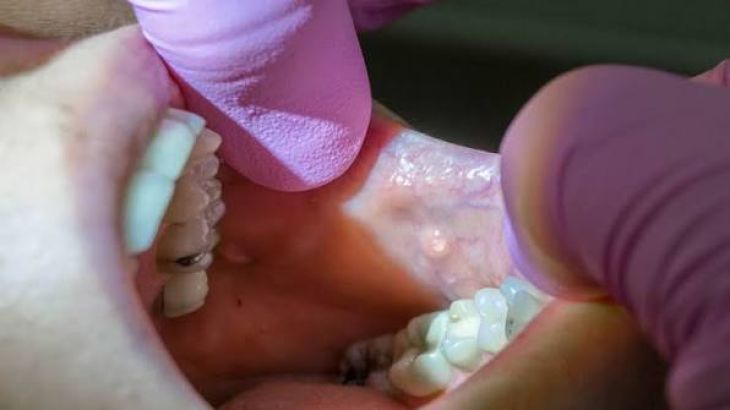
Loose Teeth or Facial Swelling
If a tumor grows into nearby structures, it may cause swelling of the face or upper mouth. Some people may notice loose teeth or discomfort in the upper jaw.
Headaches
Persistent headaches can occur, especially when a tumor affects nearby tissues. Headaches alone are much more commonly caused by other conditions.
What Causes Nasal and Sinus Cancers?
There is no single cause of these cancers.
Cancer develops when cells acquire changes that cause them to grow and divide abnormally. Researchers have identified several factors that may increase the risk of developing certain nasal and sinus cancers.
What Are the Risk Factors?
Workplace Exposure
Long-term exposure to certain substances may increase risk. These can include wood dust, leather dust, textile dust, nickel compounds, and some chemicals used in industrial settings.
People who work around these materials may benefit from following workplace safety procedures and using appropriate protective equipment.
Smoking
Tobacco use is associated with many cancers of the head and neck. Smoking may also contribute to the risk of certain nasal and sinus cancers.
Previous Radiation Exposure
Exposure to radiation in certain medical or occupational situations may contribute to cancer risk.
Human Papillomavirus
Some cancers in the head and neck region are associated with certain types of human papillomavirus, although the role of HPV varies depending on the specific cancer.
Having a risk factor does not mean that a person will develop cancer.
How Are Nasal and Sinus Cancers Diagnosed?
Doctors may use several tests when nasal or sinus cancer is suspected.
Physical Examination
A healthcare professional may examine the nose, mouth, face, and neck. They may also ask about symptoms and how long they have been present.
Nasal Endoscopy
A thin, flexible or rigid instrument with a small camera may be used to look inside the nasal cavity and sinus openings. This allows the doctor to see areas that cannot be examined easily during a normal examination.
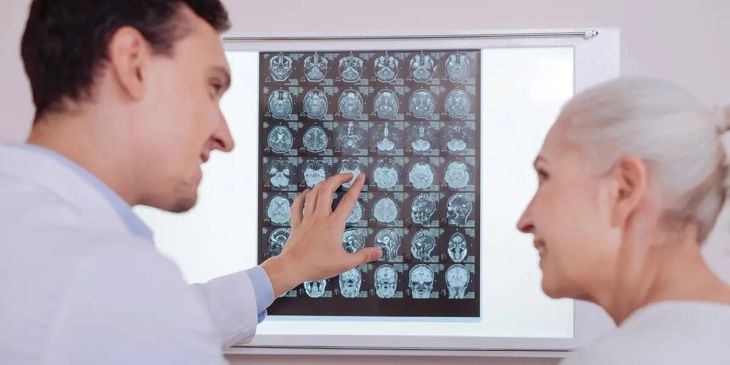
Imaging Tests
Imaging can help doctors examine the size and location of an abnormal growth.
Common imaging tests may include:
-
CT scans
-
MRI scans
-
PET scans in selected situations
These tests can also help determine whether the cancer has affected nearby tissues.
Biopsy
A biopsy is often needed to confirm cancer.
During a biopsy, a small tissue sample is removed and examined under a microscope. Laboratory testing can help determine the specific type of cancer and may provide information that guides treatment.
Why Is Early Diagnosis Important?
Nasal and sinus cancers are rare, and their symptoms often have other explanations. However, a persistent symptom that does not improve should not be ignored.
Early diagnosis can give doctors more information about the cancer and may provide more treatment options.
FAQs
Are nasal and sinus cancers common?
No. These cancers are relatively rare compared with many other types of cancer.
Can sinus problems cause similar symptoms?
Yes. Allergies, infections, nasal polyps, and other conditions can cause congestion, facial pressure, headaches, and changes in smell.
Is a biopsy needed to diagnose nasal cancer?
A biopsy is generally needed to confirm whether an abnormal growth contains cancer cells.
Can nasal and sinus cancers be treated?
Yes. Treatment depends on the cancer type and stage and may include surgery, radiation therapy, chemotherapy, targeted therapy, or combinations of these treatments.
Does smoking increase the risk?
Smoking is associated with an increased risk of several head and neck cancers and may contribute to the risk of certain nasal and sinus cancers.
Conclusion
Nasal and sinus cancers are uncommon but can cause persistent nasal blockage, repeated nosebleeds, facial pain, changes in smell, swelling, or problems around the eyes.
Because these symptoms can also result from common conditions, they do not automatically indicate cancer. However, symptoms that are persistent, unusual, or getting worse should be evaluated by a healthcare professional. Doctors can use examinations, nasal endoscopy, imaging, and biopsy to identify the cause and determine whether cancer is present.