How Nanotechnology Could Improve Future Medical Treatments
Nanotechnology is changing the way scientists think about the future of medicine.
It involves creating and working with materials and structures at a very small scale, usually measured in nanometers.At this tiny level, materials can have special physical, chemical, and biological properties that are useful for medical uses.Researchers are looking into these properties to develop treatments that can work more precisely inside the body.Traditional medical treatments can sometimes affect both healthy and unhealthy tissues.They may also struggle to reach specific organs or deliver medicines in the right amount.Nanotechnology could help solve some of these problems by making tiny carriers, sensors, coatings, and other medical tools designed for particular tasks.Scientists are studying nanotechnology for uses like cancer treatment, infection control, medical imaging, tissue repair, and personalized medicine.Some nanotechnology-based products are already in use in healthcare, while many other ideas are still in the experimental stage.As research goes on, nanotechnology might give doctors new ways to find diseases earlier and deliver treatments more effectively.
Targeted Drug Delivery Could Make Treatments More Precise
One of the most promising uses of nanotechnology is targeted drug delivery.
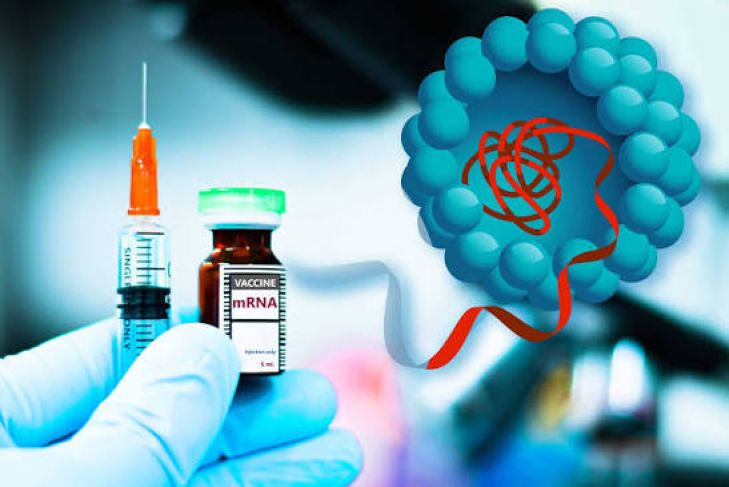
Regular medicines move through the body after they are given, which means a drug meant for one part of the body might also reach healthy areas.This can cause unwanted side effects.Nanotechnology offers a possible solution to how medicines travel in the body.Researchers are making nanoparticles that can carry medicines and release them under certain conditions.Some systems can recognize features linked to certain types of diseased cells.The goal is to increase the amount of medicine that reaches the intended target while reducing exposure elsewhere.Cancer treatment is a big area of study.Scientists have looked into nanoparticles that can carry chemotherapy drugs to tumour tissue.Other nanotechnology-based systems are being examined for delivering biological medicines, such as proteins and genetic material.These methods might one day allow doctors to choose delivery options based on a patient’s specific disease.Nanoparticles may also help protect certain medicines from breaking down too quickly once they are given. Nanotechnology Could Improve Disease Detection and Medical Imaging
Early and accurate disease diagnosis is a vital part of healthcare.
Nanotechnology could help by offering highly sensitive tools that can detect changes in the body linked to diseases.Researchers are looking at nanoparticles and nanosensors that can interact with specific molecules, proteins, or markers in the body.Some nanoparticles are being studied as contrast agents for imaging.By reacting with certain tissues or targets, they might help make issues more visible in imaging tests.Better visualization can help doctors identify disease and understand how it progresses.Nanotechnology may also lead to smaller and faster diagnostic devices.Scientists are working on systems that can analyze small samples of blood, saliva, or other biological materials.In the future, some of these technologies could give useful information outside of large labs, although their accuracy and reliability must be carefully checked.Another promising area is biosensors.These tiny devices might detect changes in biological signals and could one day support ongoing monitoring of certain health conditions.Such monitoring might help spot changes before they show as obvious symptoms.
Nanotechnology could also play a role in regenerative medicine, which focuses on repairing damaged tissues and helping the body heal.
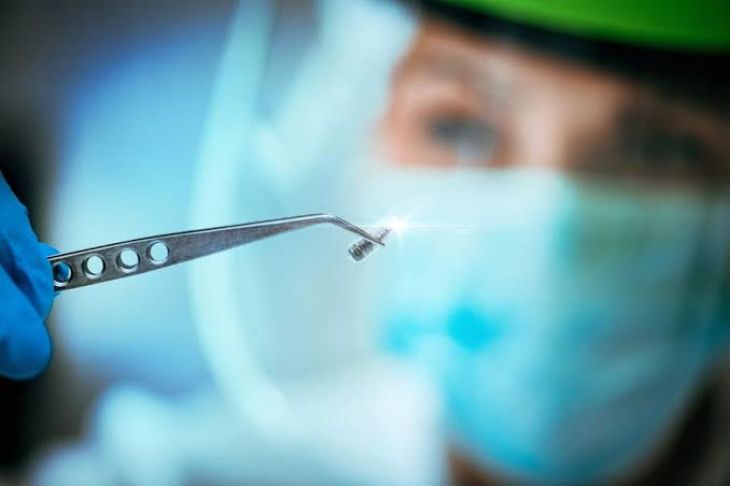
Scientists are looking at nanomaterials that can provide structures similar to the natural environment around cells.These materials might be used to make scaffolds that support cell growth and organization.In tissue engineering, researchers can design materials with specific physical and chemical characteristics to encourage cells to attach, multiply, and develop.This work is being explored for applications involving bone, skin, nerves, and other tissues.Nanotechnology may also improve certain medical implants.The surface of an implant can affect how the surrounding tissue reacts to it.Nanostructured coatings are being studied to encourage better interactions between implants and biological tissue.
Some coatings might also be created to stop unwanted reactions in the body or stop harmful microorganisms from growing.
Wound care is another area where nanotechnology is being studied.Scientists are looking into materials like nanofibers and nanoparticles that can help with healing while also delivering helpful substances in a controlled way.
Safety, Challenges, and the Future of Nanomedicine
The promise of nanotechnology brings with it several important scientific and regulatory issues.
Since nanoparticles are very small, they can interact with the body in ways that larger materials cannot.This means scientists need to understand how these particles move through the body, where they settle, how they are eliminated, and whether they might cause unintended side effects.Safety testing is especially important for treatments that will be used over a long time or repeatedly.Researchers must also look at factors like toxicity, how the immune system reacts, the stability of the nanoparticles, and how they interact with other medications.Making nanomaterials consistently with exact properties is another challenge.Cost and access are also concerns.Advanced nanotechnology treatments may need complex manufacturing setups and specialized tools.If these therapies work, healthcare systems will need to find ways to make them available to all patients without creating unfair gaps in care.Even with these challenges, research is moving quickly.Scientists are looking into smart nanoparticles that react to specific health conditions, nanoscale sensors that offer real-time data, and delivery systems that can provide more accurate and targeted treatments.
Conclusion
Nanotechnology could change the future of medicine by making diagnosis, drug delivery, tissue repair, and personalized treatment more accurate and efficient. Its ability to work at the nanoscale gives researchers new tools to interact with the body.Targeted drug carriers might help medicines reach specific parts of the body, while nanosensors and imaging tools could enable earlier disease detection.Nanomaterials may also help with regenerative medicine and better medical implants.However, nanomedicine should not be seen as a solution to all healthcare problems.