Understanding Multiple Sclerosis and Its Effects on the Brain
The human brain communicates with every part of the body through a vast network of nerves that carry electrical signals. These signals allow us to move, think, speak, remember, maintain balance, and respond to our surroundings. For communication to remain smooth and efficient, nerve fibres are protected by a special insulating covering called myelin. When this protective layer becomes damaged, messages travelling between the brain and the rest of the body may slow down or become disrupted. One condition in which this happens is multiple sclerosis (MS).
Multiple sclerosis is a long-term disorder that affects the central nervous system, which includes the brain and spinal cord. Because the disease can involve different areas of the nervous system, its symptoms vary widely from one individual to another. Some people experience only mild problems that remain stable for years, while others may notice more significant changes that interfere with daily activities. Since early symptoms can resemble those of several other medical conditions, recognising them promptly and seeking medical evaluation is important. Learning how multiple sclerosis affects the brain also helps people understand why the condition produces such a wide variety of physical, mental, and emotional changes.
What Happens in Multiple Sclerosis?
In people living with multiple sclerosis, the body's immune system mistakenly targets the protective myelin covering around nerve fibres. As this covering becomes inflamed or damaged, communication between nerve cells becomes less efficient. Messages that normally travel quickly from the brain to different parts of the body may become delayed, weakened, or interrupted altogether.
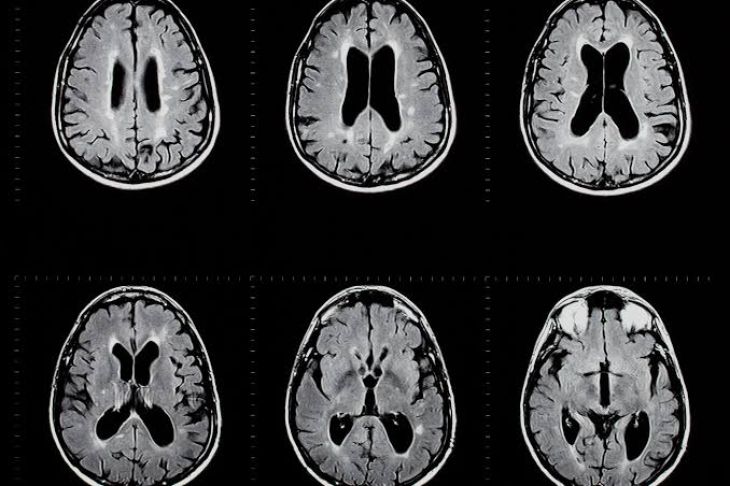
Over time, repeated episodes of inflammation may leave small areas of scar tissue within the brain or spinal cord. These scars interfere with the smooth transmission of nerve impulses, explaining why symptoms can affect movement, sensation, coordination, vision, or thinking. Since the location of these changes differs from one person to another, no two individuals experience exactly the same pattern of symptoms.
The disease often develops in episodes where symptoms worsen temporarily before improving, although some forms progress more gradually over time.
How the Brain Is Affected
The brain acts as the body's command centre, coordinating both voluntary and automatic activities. When multiple sclerosis affects brain tissue, a wide range of functions may become disrupted.
Some individuals notice increasing difficulty with concentration, attention, or memory. Others find it harder to organise tasks, process information quickly, or remain mentally focused for extended periods. Fatigue is another common feature and may occur even after adequate rest, making routine activities feel unusually demanding.
Depending on which parts of the brain are affected, balance, coordination, speech, vision, and emotional control may also change. Some people experience blurred or double vision, while others develop dizziness or unsteady walking. Emotional well-being may also be influenced, leading to mood changes or frustration as individuals adjust to living with a long-term neurological condition.
Although these challenges vary greatly in severity, early medical care and appropriate management can help many individuals continue their normal activities for years.
Common Symptoms of Multiple Sclerosis
The symptoms of multiple sclerosis are often unpredictable because different areas of the nervous system may be involved at different times.
Early symptoms may include numbness or tingling in the face, arms, legs, or other parts of the body. Some individuals notice weakness affecting one limb, while others experience stiffness or muscle spasms that make movement uncomfortable. Vision problems, particularly pain during eye movement or temporary loss of vision in one eye, may be among the earliest signs.
Persistent tiredness that does not improve with rest is another frequently reported symptom. Difficulties with balance, walking, coordination, or fine hand movements may gradually develop. Some people also experience changes in bladder or bowel function, dizziness, tremors, or increased sensitivity to heat.
Because these symptoms may appear and disappear over time, they are sometimes mistaken for less serious health problems. Professional medical assessment is therefore essential whenever neurological symptoms continue or recur.
What May Increase the Risk?
Researchers continue to study why multiple sclerosis develops, and no single cause has been identified. Current evidence suggests that several factors probably work together.
A family history of multiple sclerosis may slightly increase susceptibility, although most people with MS have no close relative affected by the disease. Environmental influences, viral infections, vitamin D deficiency, smoking, and certain immune system changes have also been investigated as possible contributing factors.
Women are diagnosed more frequently than men, and the condition often begins during early or middle adulthood. However, multiple sclerosis can occur at almost any age.
Having one or more risk factors does not guarantee that a person will develop the disease, and many individuals diagnosed with MS have no obvious explanation for why it occurred.
Diagnosis and Treatment
Diagnosing multiple sclerosis requires careful evaluation because its symptoms overlap with many other neurological disorders. Doctors usually begin by reviewing the person's medical history and performing a detailed neurological examination.
Additional investigations may include magnetic resonance imaging (MRI) of the brain and spinal cord, blood tests to exclude other conditions, and specialised examinations that assess nerve function. In some situations, analysis of cerebrospinal fluid may also assist in confirming the diagnosis.
Although there is currently no permanent cure for multiple sclerosis, several treatments can reduce inflammation, decrease the frequency of relapses, slow disease progression, and manage individual symptoms. Physiotherapy, occupational therapy, speech therapy, and rehabilitation programmes often play an important role in maintaining independence and improving quality of life.
Treatment plans are personalised because each person's symptoms and disease course are unique.
Everyday Habits That Support Brain Health
Healthy daily habits cannot cure multiple sclerosis, but they may support overall well-being and complement medical treatment.
A balanced eating pattern rich in vegetables, fruits, whole grains, legumes, healthy fats, and lean protein provides nutrients that support general health. Regular physical activity suited to individual ability helps maintain muscle strength, flexibility, balance, and cardiovascular fitness.
Adequate sleep, stress management, and avoiding tobacco products are also beneficial. Some people find that planning rest periods during the day helps manage fatigue more effectively.
Attending scheduled medical appointments, taking prescribed medications consistently, and discussing new or changing symptoms with healthcare professionals allow treatment plans to be adjusted whenever necessary.
Conclusion
Multiple sclerosis is a complex neurological condition that affects communication between the brain, spinal cord, and the rest of the body. Because damage to the protective covering of nerve fibres can interfere with many different brain functions, symptoms may involve movement, sensation, vision, memory, balance, or emotional well-being. The condition does not affect everyone in the same way, making early diagnosis and personalised medical care especially important.
Although living with multiple sclerosis can present ongoing challenges, advances in diagnosis, treatment, rehabilitation, and supportive care have greatly improved long-term outcomes for many individuals. By recognising early symptoms, seeking prompt medical attention, following recommended treatment, and maintaining healthy lifestyle habits, people with multiple sclerosis can continue working towards an active, independent, and fulfilling life.