Understanding Monoclonal Antibody Medicines: How They Target Specific Proteins in the Body
Medical science has shifted dramatically from broad treatments that affect the whole body to precision therapies designed for exact cellular targets. Monoclonal antibody medicines sit at the center of this transformation. Engineered in specialized laboratories, these biologic drugs mirror the natural defense proteins your immune system produces when fighting off invaders. Instead of attacking healthy and unhealthy cells alike, monoclonal antibodies act like microscopic guided keys, seeking out and attaching to one distinct protein structure linked to a particular illness. Understanding how these therapies locate, bind to, and neutralize their targets reveals why they have become essential tools in treating cancers, autoimmune conditions, and severe viral infections.
How Natural Antibodies Inspire Lab-Engineered Precision
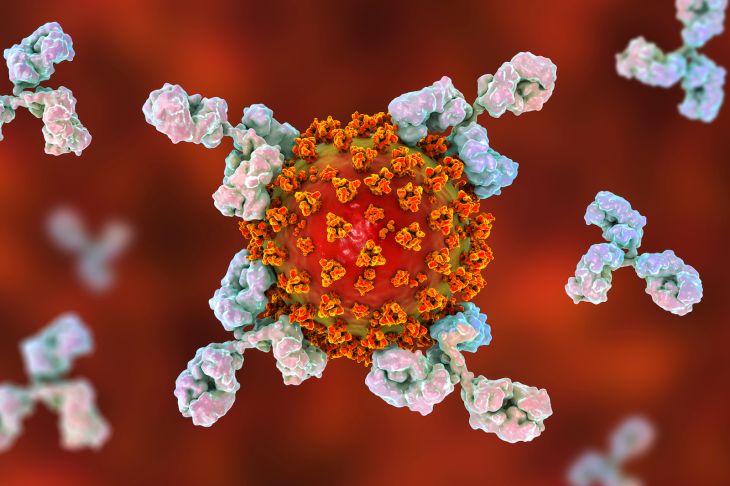
Your immune system constantly patrols the bloodstream using Y-shaped proteins called antibodies, which recognize foreign substances known as antigens. While natural antibodies come in countless variations to handle diverse threats, scientists create monoclonal antibodies by cloning a single, highly specialized immune cell. Every resulting antibody copy is completely identical and programmed to recognize just one unique molecular shape on a target protein. By isolating this single blueprint, researchers ensure the medication ignores surrounding healthy tissues and focuses exclusively on the exact biological marker driving the disease.
The Lock-and-Key Mechanism of Protein Targeting
At the tip of each Y-shaped monoclonal antibody lies a specialized region engineered to fit a specific protein receptor like a key sliding into a lock. Disease-causing cells—such as tumor cells or overactive immune cells—often display abnormal or excessive proteins on their outer surfaces. Once infused or injected into the bloodstream, monoclonal antibodies circulate until they encounter this exact surface protein. Upon making contact, the antibody binds tightly to the antigen, physically blocking the protein from receiving growth signals or interacting with neighboring cells.
Triggering the Body’s Natural Cleanup Response
Binding to a target protein is only half of the therapeutic strategy; the tail end of the Y-shaped antibody acts as a biological beacon for the rest of the immune system. Once attached to an unwanted cell, the antibody flags it as a threat, summoning white blood cells such as natural killer cells and macrophages to the site. These immune defenders then engulf and destroy the marked cell without harming nearby healthy structures. In other designs, scientists attach microscopic doses of chemotherapy or radiation directly to the antibody, delivering toxic payloads straight into diseased cells while sparing the rest of the body.
Managing Autoimmune Disorders and Chronic Inflammation
Beyond fighting foreign invaders and abnormal growths, monoclonal antibodies play a vital role in calming an overactive immune response. In autoimmune conditions like rheumatoid arthritis, psoriasis, or inflammatory bowel disease, the body produces excess signaling proteins—such as cytokines—that trigger painful, chronic inflammation. Engineered antibodies designed for these conditions intercept and neutralize free-floating inflammatory proteins before they can dock onto healthy tissue receptors, effectively interrupting the inflammatory chain reaction at its molecular source.
Conclusion
Monoclonal antibody medicines represent a milestone in targeted healthcare by turning the immune system’s own recognition mechanics into customizable treatments. Through precise lock-and-key protein binding, these therapies block harmful cellular signals, flag diseased cells for removal, and quiet destructive inflammation with remarkable accuracy. As bioengineering continues to advance, researchers are developing next-generation antibodies capable of binding two different proteins simultaneously, promising even sharper, safer treatment options for complex medical conditions in the years ahead.