How Medicines Are Absorbed and Processed by the Body
When you take a medicine, it doesn't just stop there.
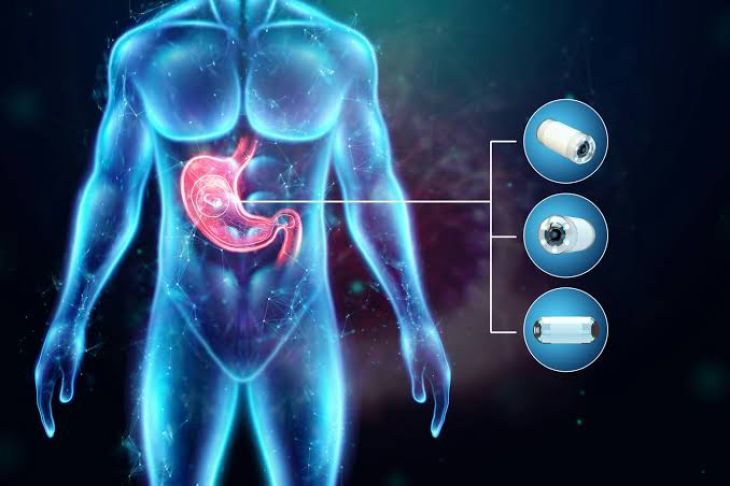
The body has to absorb it, move it to where it needs to go, change it into something the body can use or get rid of, and then get rid of it.This whole process is called pharmacokinetics, which refers to what the body does with a medicine after it's inside.Different medicines follow different paths depending on how they are taken and how the body handles them.For example, if you swallow a pill, it goes through the stomach and small intestine before the active ingredients reach the blood.Some medicines enter the body through the lungs, skin, or other ways.Once absorbed, the medicine can travel through the blood to the place where it's supposed to work.The liver, kidneys, digestive system, and other organs all help in processing and getting rid of it.Knowing this journey helps explain why medicines have specific instructions and why their effect can be different from person to person.
How Medicines Enter the Bloodstream
The first big step in a medicine's journey is absorption.
This means the active ingredient moves from where it was given into the blood.The way it's given can affect how quickly that happens.If you swallow a medicine, it travels through the stomach and small intestine.Many medicines are mainly absorbed in the small intestine because it has a large surface area, which allows for more substances to enter the blood.Not all medicines are taken by mouth.Some are inhaled into the lungs, where they can be absorbed quickly due to the rich blood supply in the lungs.Medicines applied to the skin may slowly pass through the skin into the blood, depending on their formula.Some medicines are made to work on the skin or in a specific area and don't enter the blood much.Food can also affect absorption.Eating a meal might slow the movement of a medicine through the stomach or change how much of it gets absorbed.Some medicines are recommended to be taken with food, while others have specific timings.These instructions are based on how the medicine behaves in the digestive system.The amount that actually gets into the blood depends on the medicine's formula and chemical makeup.
How Medicines Travel Through the Body
After a medicine enters the blood, the next step is distribution.
The circulatory system carries the medicine all around the body.However, the medicine doesn't spread equally to every part of the body.It depends on factors like blood flow, the medicine's chemical features, and how strongly it sticks to proteins in the blood.Some medicines stay mostly in the blood, while others can go into organs and tissues.Certain medicines need to reach a specific target, like a receptor or an enzyme, to work as intended.The ability of a medicine to reach that target can influence how well it works.The body also has natural barriers.One example is the blood-brain barrier, which limits the movement of many substances from the blood into the brain.This helps protect the brain but can also make it harder for some medicines to reach the brain tissue.
How the Liver Changes Medicines
The liver is one of the body's most important organs for processing medicines.
This stage is called metabolism.During metabolism, enzymes change the medicine's chemical structure.These changes can make the substance easier for the body to get rid of.Many medicines are processed by liver enzymes, such as those in the cytochrome P450 family.These enzymes can break down or change medicines into different compounds.Sometimes the resulting compounds are not as active as the original medicine.In other cases, metabolism can create an active substance that helps the medicine work.Metabolism can be different for each person.Age, genes, overall health, and other medicines can all affect how quickly substances are processed.
How the Body Removes Medicines
After a medicine has done its job and been processed, the body has to get rid of it.
This is called elimination.The kidneys are especially important in this process because they filter the blood and help remove many substances through urine.Some medicine molecules or their byproducts can leave the body through the urinary system.The liver also helps in elimination by changing substances into forms that are easier to remove.In addition, some medicines and their byproducts can leave the body through bile and eventually be passed in stool.Smaller amounts of certain substances may also be removed through sweat, saliva, or exhaled air, depending on their chemical properties.The speed at which the body removes a medicine is often described by its half-life.A medicine's half-life is the time it takes for the amount in the body to decrease by half.
Conclusion
The journey of a medicine through the body includes several connected steps: absorption, distribution, metabolism, and elimination.
These processes determine how much medicine gets into the bloodstream, where it goes, how it changes, and how quickly it leaves the body.The digestive system, blood, liver, kidneys, and other organs all play a role in this process.Factors like food, age, genetics, other medicines, and the condition of important organs can influence how the body handles a substance.That's why medicines are made with specific instructions for use.Understanding these basic steps can make medicine information easier to understand.However, the way a particular medicine behaves can vary a lot, so general information should not replace advice from a qualified healthcare professional.