How Liquid Biopsies Could Change Cancer Diagnosis
Cancer diagnosis often involves a combination of medical history, physical exams, imaging tests, and tissue biopsies.
A traditional biopsy usually requires doctors to remove a small piece of tissue from a suspected tumor so it can be studied in a lab.While tissue biopsies are still an important part of cancer care, researchers are exploring a new method that might offer useful information through a simple blood sample.This method is known as a liquid biopsy.A liquid biopsy checks for cancer-related material in body fluids, most commonly blood.One important target is circulating tumor DNA, or ctDNA, which consists of small fragments of genetic material released by tumor cells.Researchers can examine these fragments for genetic changes that are linked to cancer.
What Is a Liquid Biopsy and How Does It Work
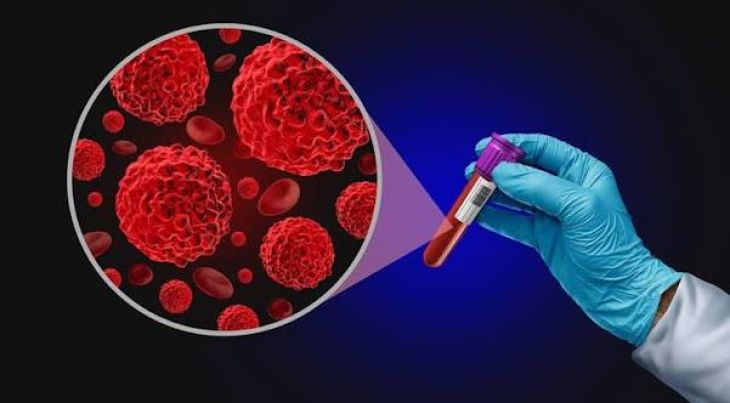
A liquid biopsy is a test that looks for biological material found in body fluids, usually blood, to check for signs of cancer.
Unlike a traditional biopsy, it doesn’t require doctors to remove a piece of tumor tissue for each test. Instead, a blood sample can contain tiny fragments released by cells throughout the body. One of the most studied materials is circulating tumor DNA (ctDNA) .When cancer cells die or release genetic material, fragments of their DNA can enter the bloodstream. In a lab, these fragments can be isolated and examined for specific genetic changes. Researchers may also study circulating tumor cells, RNA, proteins, or other signals depending on the test.The process starts with collecting a blood to cancer. The challenge is that cancer-related material can be present in very small amounts, especially when a tumor is small.
Could Liquid Biopsies Help Detect Cancer Earlier?
One of the most exciting possibilities for liquid biopsies is their potential role in detecting cancer earlier.
Cancer can sometimes be easier to treat when it is found before it has spread much. Researchers are therefore exploring whether blood-based tests can find cancer-related molecular signals before symptoms become obvious.A big advantage of a blood test is that it is less invasive than obtaining tissue from a tumor.If reliable tests can identify cancer-related signals at an early stage, they could potentially become part of future screening efforts for certain groups.However, early detection is one of the biggest challenges in liquid biopsy research.Small or early-stage tumors may release very little ctDNA into the bloodstream.A test must be sensitive enough to find tiny signals without falsely identifying harmless biological changes as cancer.Another challenge is determining where a suspected cancer came from.Some molecular changes can happen in several cancer types, while others may not give enough information to find the exact location of a tumor.
How Liquid Biopsies Could Guide Cancer Treatment
Liquid biopsies may also become valuable after cancer has already been diagnosed.
Tumors can change over time, especially when they are treated.A genetic change that was not present or not detectable earlier may show up later.Blood-based testing could offer a way to keep track of these molecular changes without needing repeated tissue sampling.For example, a liquid biopsy might identify specific genetic changes that determine whether a targeted treatment could work.If the cancer develops a new mutation that makes it resistant to a therapy, blood testing could help doctors spot that change.Another possible use is monitoring how well treatment is working.Researchers are looking into whether changes in ctDNA levels can indicate whether the amount of cancer in the body is decreasing or increasing.A drop in certain cancer-related signals might suggest a positive response, while persistent or increasing signals might signal that further testing is needed.Liquid biopsies might also help researchers look for minimal residual disease, which refers to cancer cells that remain after treatment but are too small to be found through standard methods.Finding these molecular traces could help identify patients who need more close monitoring.However, these applications require careful interpretation.A positive or negative result from a liquid biopsy does not automatically give a full picture of a person’s cancer.
What Are the Limitations of Liquid Biopsy Testing?
Despite its promise, liquid biopsy technology has several limitations.
One major issue is sensitivity.If a tumor releases only a small amount of DNA or other material into the bloodstream, a test might miss it.This can lead to false-negative results, especially when cancer is in an early stage or when the tumor is in a location that doesn’t release much detectable material.Specificity is another concern.Genetic changes can sometimes appear in blood due to non-cancerous processes.For example, age-related changes in blood-forming cells can produce mutations that look similar to some cancer-related changes.Distinguishing these signals from real tumor material needs advanced analysis.A liquid biopsy may also provide less information than a tissue sample.Tissue can show the physical structure of a tumor and allow pathologists to examine cells directly.
Conclusion:
Liquid biopsies represent an important area of cancer research because they offer a potentially less invasive way to study cancer-related biological signals.
By examining ctDNA and other material in the blood, these tests may help with cancer detection, treatment planning, disease monitoring, and assessing how well treatment is working.Their greatest potential may come from situations where ongoing information is valuable.Instead of relying on repeated invasive tissue sampling, doctors may eventually be able to get useful molecular information from blood at different stages of a patient’s care.