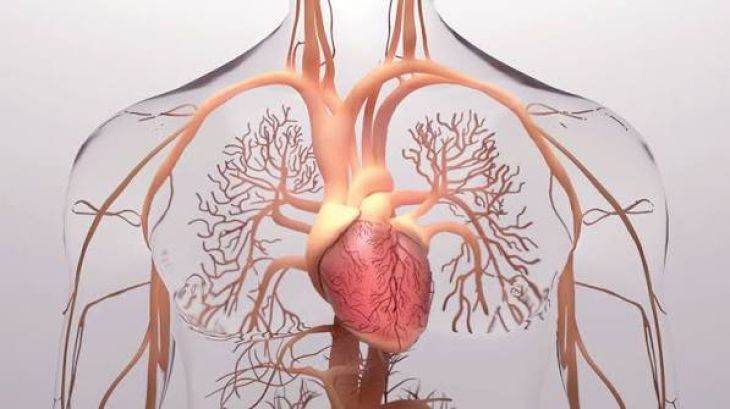
How Stress Can Affect Your Heart Health?
Stress is a normal part of life. Everyone feels stressed from time to time because of work, family, money, health, or daily responsibilities. You can maintain your motivation and focus with a little stress. However, when stress becomes constant, it can begin to affect your body in many ways, especially your heart.
Your heart works every second of the day to pump blood throughout your body. Long-term stress puts extra pressure on your heart and blood vessels, increasing the risk of serious heart problems. Understanding how stress affects heart health and learning healthy ways to manage it can help protect your heart and improve your overall well-being.
What Happens to Your Body During Stress?
Your body releases hormones like cortisol and adrenaline when you're under stress. These hormones prepare your body for a "fight or flight" response. Your breathing quickens, your blood pressure increases, and your heartbeat quickens.
These changes are helpful during short-term emergencies. But if stress continues for weeks or months, your body stays in this alert state for too long. Over time, this can place extra strain on your heart and increase the risk of heart disease.
How Stress Can Affect Your Heart
Raises Blood Pressure
One of the most common effects of stress is high blood pressure. Stress causes your blood vessels to tighten, making your heart work harder to pump blood. If high blood pressure continues for a long time, it can damage your arteries and increase the risk of heart attack and stroke.
Increases Heart Rate
Stress frequently causes your heart to beat more quickly than usual. Frequent episodes of a rapid heart rate can put extra pressure on your heart. While occasional increases are usually harmless, constant stress may contribute to long-term heart problems.
Triggers Unhealthy Habits
Many people respond to stress by making unhealthy lifestyle choices. They may eat unhealthy foods, skip exercise, smoke, drink alcohol, or get less sleep. These habits increase the risk of obesity, diabetes, high cholesterol, and heart disease.
Increases Inflammation
Long-term stress may increase inflammation throughout the body. Prolonged inflammation can lead to plaque accumulation in the arteries and harm blood vessels. This makes it harder for blood to flow properly and increases the risk of cardiovascular disease.
Can Trigger Heart Problems
In people who already have heart disease, severe emotional stress can sometimes trigger chest pain, irregular heartbeat, or even a heart attack. This illustrates the tight relationship between stress and heart health, even though it is less common.
Signs That Stress May Be Affecting Your Heart
Stress does not always cause obvious symptoms, but some warning signs should not be ignored. These may include:
-
Frequent headaches
-
High blood pressure
-
Fast or irregular heartbeat
-
Chest discomfort
-
Shortness of breath
-
Trouble sleeping
-
Feeling anxious or overwhelmed
-
Constant tiredness
If you experience chest pain, severe shortness of breath, or symptoms of a heart attack, seek immediate medical attention.
Who Is at Greater Risk?
Anyone can experience stress, but some people may have a higher risk of stress-related heart problems. This includes people who:
-
Have high blood pressure
-
Have diabetes
-
Have high cholesterol
-
Smoke
-
Are overweight
-
Have a family history of heart disease
-
Experience long-term workplace or financial stress
Managing stress becomes even more important if you already have one or more of these risk factors.
Healthy Ways to Reduce Stress
The good news is that healthy habits can lower stress and improve heart health.
Exercise Regularly
Physical activity is one of the best natural stress relievers. Walking, cycling, swimming, or yoga can improve mood, reduce stress hormones, and strengthen your heart.
Eat a Heart-Healthy Diet
Choose plenty of fruits, vegetables, whole grains, lean proteins, and healthy fats. Limiting processed foods, sugar, and excess salt supports both your heart and your overall health.
Get Enough Sleep
Every night, adults should strive for seven to nine hours of good sleep. Good sleep helps your body recover from stress and keeps your heart functioning properly.
Practice Relaxation Techniques
Deep breathing, meditation, mindfulness, and gentle stretching can help calm your mind and reduce stress levels. Even a few minutes each day can make a difference.
Stay Connected
Talking with family members, friends, or a trusted counselor can help you manage emotional stress. Social support is important for both mental and heart health.
Take Breaks
Make time for hobbies, music, reading, or spending time outdoors. Taking regular breaks from work and daily responsibilities helps lower stress and refresh your mind.
When Should You See a Doctor?
If stress is affecting your daily life or causing symptoms such as ongoing high blood pressure, chest discomfort, or frequent heart palpitations, speak with your healthcare provider. They can check your heart health and recommend treatment or stress management strategies if needed.
FAQs
Can stress alone cause heart disease?
Stress alone is usually not the only cause, but long-term stress can increase the risk by raising blood pressure and encouraging unhealthy lifestyle habits.
Can anxiety affect the heart?
Yes. Anxiety can increase your heart rate, raise blood pressure, and sometimes cause chest discomfort or heart palpitations.
Does exercise help reduce stress?
Yes. Regular physical activity lowers stress hormones, improves mood, and supports better heart health.
Can stress increase blood pressure?
Yes. Stress can temporarily raise blood pressure, and ongoing stress may contribute to long-term high blood pressure in some people.
What is the best way to manage stress for heart health?
A combination of regular exercise, healthy eating, enough sleep, relaxation techniques, and staying connected with supportive people is one of the most effective ways to manage stress and protect your heart.
Conclusion
Although stress is a natural part of life, it shouldn't have an adverse effect on your health. Long-term stress can increase blood pressure, raise your heart rate, promote unhealthy habits, and increase the risk of heart disease. The good news is that regular exercise, healthy eating, quality sleep, relaxation techniques, and strong social support can reduce stress and protect your heart.