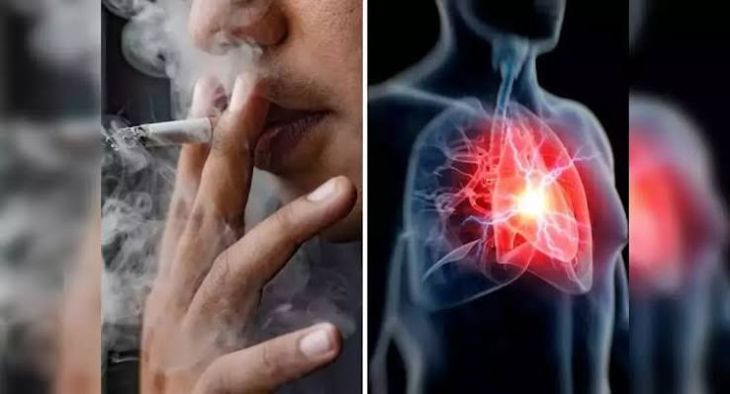
How Does Smoking Damage the Cardiovascular System?
Smoking is widely known for its harmful effects on the lungs, but its impact does not stop there. The chemicals in tobacco smoke can damage the heart and blood vessels, increasing the risk of serious cardiovascular problems.
Smoking can affect blood pressure, blood circulation, blood vessel health, and the way the blood clots. It can also make existing heart conditions worse. The good news is that quitting smoking can lower cardiovascular risk and allow the body to begin recovering.
Understanding how smoking affects the cardiovascular system can encourage healthier choices and help protect heart health.
How Does Smoking Affect the Heart?
Every time you smoke, your body is exposed to thousands of chemicals. Some of these chemicals can damage the lining of blood vessels and reduce the amount of oxygen available to the heart.
Nicotine can also increase heart rate and blood pressure. This makes the heart work harder and places additional stress on the cardiovascular system.
Over time, repeated exposure can contribute to damage that increases the risk of heart disease and other circulation problems.
Smoking and Blood Pressure
Nicotine can temporarily raise blood pressure and heart rate. Regular smoking can also damage blood vessels, making them less flexible.
Healthy blood vessels expand and contract as needed to regulate blood flow. Damaged or stiff arteries cannot respond as effectively, which can contribute to long-term cardiovascular problems.
High blood pressure itself can damage artery walls, creating conditions that make plaque buildup more likely.
How Smoking Damages Blood Vessels
The inner lining of blood vessels plays an important role in maintaining healthy circulation. Chemicals in tobacco smoke can irritate and damage this lining.
When blood vessels are damaged, cholesterol and other substances can accumulate more easily. This can contribute to the formation of plaque inside the arteries.
As plaque builds up, arteries may become narrower and less flexible, restricting blood flow.
This process is known as atherosclerosis and is a major contributor to coronary artery disease.
Smoking and Blood Clots
Smoking can make blood more likely to clot. It can also make platelets stick together more easily.
If a blood clot blocks an artery supplying the heart, it can cause a heart attack. If a clot blocks blood flow to the brain, it can cause a stroke.
This is one reason smoking significantly increases the risk of serious cardiovascular events.
Increased Risk of Heart Disease
Smoking is a major risk factor for coronary artery disease. When the coronary arteries become narrowed by plaque, the heart may not receive enough oxygen-rich blood.
This can cause chest discomfort, particularly during physical activity. In severe cases, a complete blockage can result in a heart attack.
The risk can become even greater when smoking occurs alongside other factors such as high blood pressure, high cholesterol, diabetes, or physical inactivity.
Smoking and Stroke
Smoking can increase the risk of stroke by damaging blood vessels and increasing the likelihood of blood clots.
A stroke occurs when blood flow to part of the brain is blocked or when a blood vessel in the brain breaks.
Because brain cells need a continuous supply of oxygen, a stroke can cause serious and potentially permanent damage.
Smoking and Peripheral Artery Disease
Smoking can also affect arteries outside the heart and brain.
Peripheral artery disease occurs when narrowed blood vessels reduce blood flow, often to the legs and feet.
People with this condition may experience leg pain while walking, numbness, weakness, or coldness in the lower legs or feet.
Smoking can worsen the condition and increase the risk of serious complications.
What About Secondhand Smoke?
You do not have to smoke yourself to be affected by tobacco smoke. Regular exposure to secondhand smoke can also increase cardiovascular risk.
People who live or work around smokers may be exposed to harmful chemicals that can affect blood vessels and heart health.
Avoiding tobacco smoke is an important part of protecting cardiovascular health.
What Happens When You Quit Smoking?
Quitting smoking is one of the most effective steps you can take to protect your heart.
After quitting, the body begins making positive changes. Heart rate and blood pressure can improve, circulation can become healthier, and the risk of heart attack and stroke gradually decreases over time.
The benefits continue to grow the longer you remain smoke-free.
If quitting feels difficult, healthcare professionals can provide guidance and recommend tools or treatments that may make the process easier.
How Can You Protect Your Cardiovascular Health?
Along with avoiding tobacco, several habits can support a healthier heart and blood vessels:
-
Stay physically active.
-
Eat a balanced, heart-friendly diet.
-
Maintain a healthy weight.
-
Monitor blood pressure and cholesterol.
-
Manage diabetes if you have it.
-
Limit alcohol consumption.
-
Get enough quality sleep.
-
Find healthy ways to manage stress.
-
Attend regular health checkups.
FAQs
Can smoking cause heart disease?
Yes. Smoking damages blood vessels, increases blood pressure, promotes plaque buildup, and raises the risk of coronary artery disease and heart attack.
Does smoking increase the risk of stroke?
Yes. Smoking can damage blood vessels and increase the likelihood of blood clots, both of which can raise the risk of stroke.
Can secondhand smoke affect the heart?
Yes. Exposure to secondhand smoke can negatively affect blood vessels and increase cardiovascular risk.
Does quitting smoking improve heart health?
Yes. Quitting smoking allows the body to begin recovering and gradually reduces the risk of heart disease, heart attack, and stroke.
Can smoking affect blood pressure?
Yes. Nicotine can temporarily raise blood pressure and heart rate, while long-term smoking can damage blood vessels and contribute to cardiovascular problems.
Conclusion
Smoking can seriously damage the cardiovascular system by increasing blood pressure, harming blood vessels, promoting plaque buildup, and making blood more likely to clot. These effects increase the risk of coronary artery disease, heart attack, stroke, and peripheral artery disease.
The effects of smoking are not limited to long-term smokers. Even regular exposure to secondhand smoke can affect cardiovascular health.