How Cancer Treatments Affect the Body and Recovery
Many aspects of a person's life might be altered by receiving a cancer diagnosis. While cancer treatments are designed to destroy cancer cells and improve health, they can also affect healthy cells in the body. This is why many people experience side effects during or after treatment.
Every person's experience is different. Some people have only mild side effects, while others may need more time to recover. Understanding how cancer treatments affect the body can help patients and their families prepare for the journey ahead and support a smoother recovery.
Why Do Cancer Treatments Cause Side Effects?
Cancer treatments target fast-growing cancer cells. However, some healthy cells also grow quickly, such as those in the hair, skin, mouth, digestive system, and bone marrow. These healthy cells can also be affected during treatment, leading to temporary side effects.
The type and severity of side effects depend on the type of cancer, the treatment used, the dose, and the person's overall health.
Common Types of Cancer Treatment
Several treatments are used to treat cancer. Each works differently and affects the body in its own way.
Surgery
Surgery removes cancer from the body. Recovery depends on the size and location of the operation. Patients may experience pain, swelling, fatigue, or temporary limits in movement while healing.
Chemotherapy
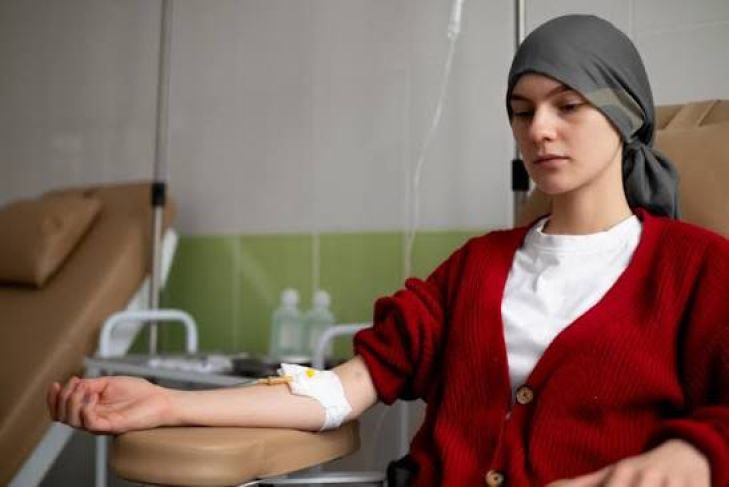
Chemotherapy employs drugs to kill cancer cells all over the body. It can also affect healthy cells, leading to common side effects such as:
-
Hair loss
-
Nausea and vomiting
-
Loss of appetite
-
Fatigue
-
Mouth sores
-
Increased risk of infection
After therapy is over, many of these adverse effects become better.
Radiation Therapy
High-energy radiation is used in radiation therapy to kill cancer cells in a targeted location. Common side effects include:
-
Skin irritation
-
Tiredness
-
Swelling in the treated area
-
Changes depending on the part of the body receiving treatment
Most side effects gradually improve after therapy is completed.
Immunotherapy
Immunotherapy strengthens the body's defenses against cancer. Some people may develop flu-like symptoms, skin rashes, fatigue, or inflammation in different organs. Doctors carefully monitor these side effects during treatment.
Targeted Therapy
Targeted therapy attacks specific changes in cancer cells while causing less damage to healthy cells. However, it may still cause side effects such as diarrhea, skin problems, high blood pressure, or fatigue.
How Cancer Treatment Affects the Body
Fatigue
Fatigue is one of the most common side effects of cancer treatment. Unlike normal tiredness, it may not improve completely with rest. Fatigue can continue for weeks or even months after treatment.
Weakened Immune System
Some treatments reduce the number of white blood cells, making it harder for the body to fight infections. Patients may need to avoid crowded places and practice good hygiene during recovery.
Digestive Problems
Cancer treatment may affect the stomach and intestines, causing nausea, vomiting, constipation, diarrhea, or changes in appetite. Eating small, nutritious meals and staying hydrated often helps.
Hair and Skin Changes
Hair loss is common with certain chemotherapy medicines. Radiation therapy may also cause skin redness, dryness, or sensitivity in the treated area. Hair usually begins to grow back after treatment, although its texture or color may change.
Emotional Health
Cancer treatment affects more than the body. Many people experience anxiety, fear, sadness, or emotional stress. Talking with loved ones, joining a support group, or speaking with a mental health professional can help during recovery.
Recovery After Cancer Treatment
Recovery is different for everyone. Some people recover within a few weeks, while others need several months or longer. Healing depends on the type of treatment, the stage of cancer, and overall health.
Here are some ways to support recovery:
Eat a Healthy Diet
A balanced diet with fruits, vegetables, whole grains, lean proteins, and healthy fats helps the body heal and regain strength.
Stay Physically Active
Light exercise, such as walking or gentle stretching, can improve energy levels, reduce fatigue, and support physical recovery. Always follow your doctor's advice before starting any exercise program.
Get Enough Rest
The body can heal itself when it gets enough sleep. Rest is especially important during and after cancer treatment.
Attend Follow-Up Visits
Regular medical checkups help doctors monitor recovery, manage side effects, and check for any signs of cancer returning.
Ask for Help
Recovery can be physically and emotionally challenging. Family members, friends, caregivers, and healthcare professionals can provide valuable support throughout the healing process.
When Should You Contact Your Doctor?
Contact your healthcare provider if you experience:
-
A fever or signs of infection
-
Severe or ongoing vomiting
-
Difficulty breathing
-
Heavy bleeding
-
Severe pain
-
Extreme weakness or dizziness
-
Any new or worsening symptoms
Early treatment of side effects can help prevent more serious problems.
FAQs
Do all cancer treatments cause side effects?
Not everyone experiences the same side effects. The type and severity depend on the treatment, the cancer being treated, and the individual's overall health.
How long does it take to recover after cancer treatment?
Recovery varies from person to person. Some people recover within weeks, while others may need several months or longer.
Can side effects continue after treatment ends?
Yes. Some side effects improve quickly, while others may last for months or, in some cases, become long-term effects that require ongoing care.
How can I reduce treatment side effects?
Eating a healthy diet, staying hydrated, getting enough rest, following your doctor's advice, and reporting symptoms early can help manage side effects.
Is experiencing emotions while undergoing cancer therapy normal?
Yes. Anxiety, sadness, fear, and stress are common. Seeking support from family, friends, healthcare providers, or support groups can be very helpful.
Conclusion
Cancer treatments play an important role in fighting cancer, but they can also affect healthy cells and cause temporary side effects. Fatigue, digestive problems, hair loss, weakened immunity, and emotional stress are common during treatment and recovery. Every person's healing journey is unique, and recovery takes time.