What Is Heart Valve Disease and What Are Its Warning Signs?
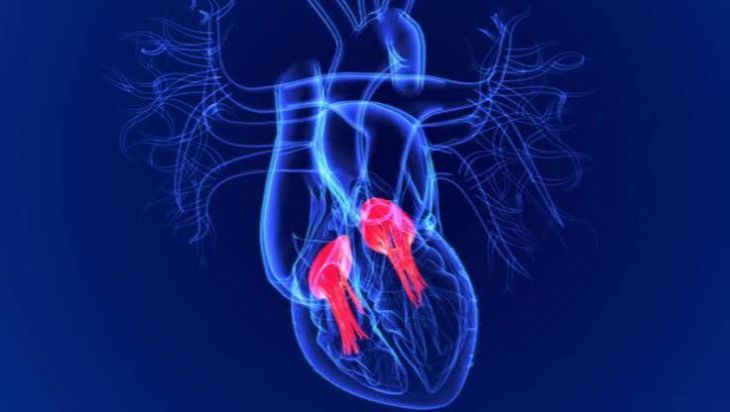
Your heart has four valves that help blood move through the heart in the right direction. These valves open and close with each heartbeat, allowing blood to flow smoothly. When one or more valves do not work properly, it can lead to heart valve disease.
What Is Heart Valve Disease?
Heart valve disease occurs when one or more of the heart's valves become damaged or do not function normally.
The heart has four valves:
-
Tricuspid valve
-
Pulmonary valve
-
Mitral valve
-
Aortic valve
A healthy valve opens to allow blood to pass and closes to prevent blood from flowing backward.
Valve problems generally fall into two main categories: stenosis and regurgitation.
What Is Valve Stenosis?
Stenosis occurs when a valve becomes narrowed or stiff. The valve cannot open fully, making it harder for blood to pass through.
The heart may need to work harder to push blood through the narrowed opening.
What Is Valve Regurgitation?
Regurgitation happens when a valve does not close properly. Some blood leaks backward instead of moving forward.
The heart may need to pump harder to move enough blood through the body, which can place additional strain on the heart over time.
What Causes Heart Valve Disease?
Heart valve problems can develop for different reasons.
Aging
As people age, heart valves can become stiff or damaged. Calcium deposits may build up on some valves, particularly the aortic valve.
Congenital Heart Problems
Some people are born with heart valve abnormalities. These problems may cause symptoms during childhood or may not become noticeable until adulthood.
Infections
Certain infections can damage the heart valves. A serious infection of the inner lining of the heart, called infective endocarditis, can affect valve function.
Rheumatic Heart Disease
Rheumatic fever can damage heart valves and may cause valve problems years later. Although less common in many developed countries, it remains an important cause of valve disease in some parts of the world.
Other Heart Conditions
Conditions such as heart attacks, high blood pressure, and other forms of heart disease can sometimes contribute to valve problems.
What Are the Warning Signs?
Mild heart valve disease may not cause noticeable symptoms. As valve problems become more significant, symptoms may develop.
Common warning signs include:
Shortness of Breath
You may become breathless during physical activity or experience difficulty breathing when lying down. This can happen when a valve problem affects the heart's ability to pump blood effectively.
Fatigue
Reduced blood flow can make you feel unusually tired or weak. Activities that once felt easy may become more difficult.
Chest Discomfort
Some people with certain valve problems experience chest pressure or discomfort, particularly during physical activity.
Chest pain can have many causes, so unexplained or persistent chest discomfort should be medically evaluated.
Dizziness or Fainting
Reduced blood flow or changes in heart rhythm can cause dizziness, lightheadedness, or fainting.
Fainting during exercise is particularly important to discuss with a healthcare professional.
Swelling
Fluid can accumulate in the legs, ankles, feet, or abdomen when the heart struggles to pump blood effectively.
Irregular Heartbeat
Some valve conditions can increase the risk of abnormal heart rhythms. You may feel fluttering, pounding, racing, or skipped beats.
Can Heart Valve Disease Cause Complications?
Some valve problems remain mild and may only require regular monitoring. More severe disease can put extra strain on the heart.
Possible complications include:
-
Heart failure
-
Abnormal heart rhythms
-
Blood clots
-
Stroke
-
Enlargement or weakening of the heart
-
Pulmonary hypertension
The risk of complications depends on the affected valve, severity of the disease, and overall health.
How Is Heart Valve Disease Diagnosed?
A healthcare professional may begin by listening to the heart with a stethoscope. Abnormal blood flow across a valve can sometimes produce a sound called a heart murmur.
Further tests may include an electrocardiogram, echocardiogram, chest imaging, or other heart tests.
An echocardiogram is especially useful because it uses sound waves to create images of the heart and can show how the valves are opening and closing.
How Is Heart Valve Disease Treated?
Treatment depends on the type and severity of the valve problem.
Mild valve disease may only require regular monitoring and lifestyle changes. Medications may be used to control symptoms or manage related conditions such as high blood pressure or abnormal heart rhythms.
More serious valve problems may require a procedure to repair or replace the affected valve.
Valve repair or replacement may be performed through traditional surgery or, for some patients, less invasive procedures.
Can Heart Valve Disease Be Prevented?
Not all cases can be prevented, particularly those caused by aging or congenital conditions. However, healthy habits can support overall heart health.
Helpful steps include:
-
Eat a balanced, heart-healthy diet.
-
Stay physically active.
-
Maintain a healthy weight.
-
Avoid smoking and tobacco products.
-
Manage blood pressure and cholesterol.
-
Control diabetes if you have it.
-
Follow medical advice for infections and other health conditions.
-
Attend recommended heart checkups.
FAQs
What is the most common symptom of heart valve disease?
Shortness of breath, fatigue, chest discomfort, dizziness, swelling, and heart palpitations are common symptoms. Some people may have no symptoms in the early stages.
Can heart valve disease be serious?
Yes. Mild valve disease may only require monitoring, but severe valve problems can lead to heart failure, abnormal heart rhythms, stroke, or other complications.
Can heart valve disease be cured?
Some valve problems can be managed with medications and lifestyle changes, while more serious conditions may require valve repair or replacement.
What test is commonly used to diagnose valve disease?
An echocardiogram is one of the most useful tests for examining heart valves and assessing how well they function.
Conclusion
Heart valve disease occurs when one or more of the heart's valves become narrowed, stiff, or unable to close properly. Some people have no symptoms, while others may experience shortness of breath, fatigue, chest discomfort, dizziness, swelling, or irregular heartbeats.