Which Foods Can Help Protect Your Heart Health?
Your heart works around the clock to keep your body functioning, making it one of your most vital organs. While regular exercise and avoiding smoking are important for heart health, what you eat plays an equally significant role. A heart-friendly diet can help lower cholesterol, reduce blood pressure, control inflammation, and decrease the risk of heart disease and stroke.
1. Fatty Fish Rich in Omega-3 Fatty Acids
Fatty fish such as salmon, sardines, mackerel, and trout are excellent sources of omega-3 fatty acids. These healthy fats help reduce inflammation, lower triglyceride levels, and support healthy blood vessels. Eating fish at least twice a week may reduce the risk of heart disease.
If you don't eat fish, consider plant-based sources of omega-3s like flaxseeds, chia seeds, and walnuts.
2. Leafy Green Vegetables
Spinach, kale, Swiss chard, and other leafy greens are packed with vitamins, minerals, and antioxidants. They are especially rich in potassium and nitrates, which help regulate blood pressure and improve blood vessel function. Their high fiber content also supports healthy cholesterol levels.
3. Whole Grains
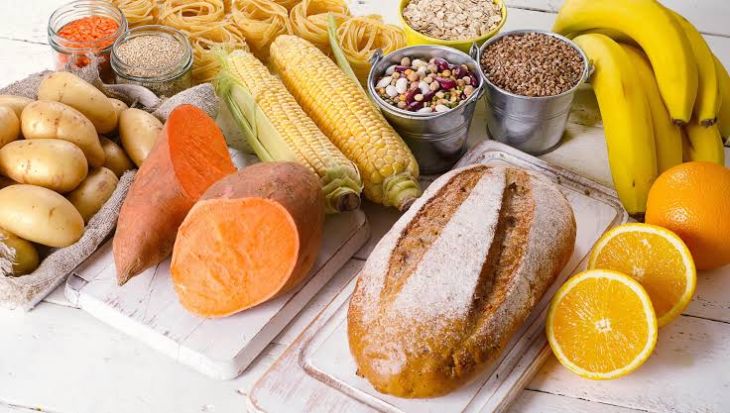
Whole grains such as oats, brown rice, quinoa, barley, and whole wheat provide fiber that helps lower LDL ("bad") cholesterol. Unlike refined grains, whole grains retain important nutrients that support heart health and help keep blood sugar levels stable.
Starting your day with a bowl of oatmeal is a simple way to add heart-healthy fiber to your diet.
4. Berries
Blueberries, strawberries, raspberries, and blackberries are loaded with antioxidants called anthocyanins. These compounds help reduce inflammation and oxidative stress, both of which contribute to heart disease. Berries are also naturally low in calories and high in fiber.
5. Nuts and Seeds
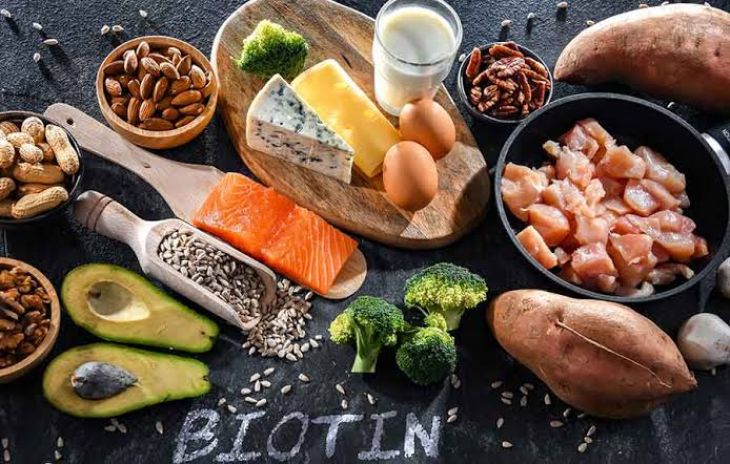
Almonds, walnuts, pistachios, flaxseeds, chia seeds, and sunflower seeds are rich in healthy fats, protein, fiber, and essential minerals. Regularly eating a handful of unsalted nuts may help lower cholesterol and reduce the risk of cardiovascular disease.
However, because nuts are calorie-dense, moderation is important.
6. Beans and Lentils
Beans, chickpeas, lentils, and peas are excellent plant-based sources of protein and soluble fiber. They help lower cholesterol, improve blood sugar control, and keep you feeling full longer. Replacing red meat with legumes a few times a week can benefit both your heart and overall health.
7. Avocados
Avocados are rich in heart-healthy monounsaturated fats that help improve cholesterol levels. They also contain potassium, which supports healthy blood pressure. Adding avocado to salads or sandwiches is a nutritious alternative to butter or mayonnaise.
8. Olive Oil
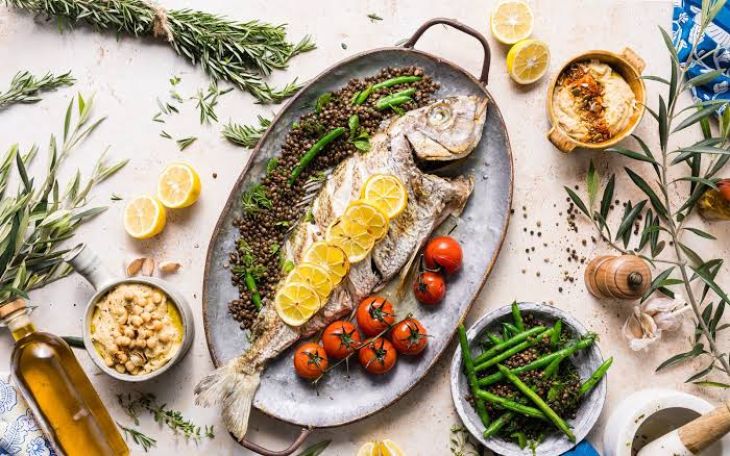
Extra virgin olive oil is a cornerstone of the Mediterranean diet, which has been linked to lower rates of heart disease. It contains healthy fats and powerful antioxidants that help reduce inflammation and protect blood vessels.
Use olive oil instead of butter or highly processed cooking oils whenever possible.
9. Tomatoes
Tomatoes contain lycopene, a powerful antioxidant associated with better heart health. They are also rich in potassium and vitamin C. Cooking tomatoes can actually increase the availability of lycopene, making tomato sauces and soups healthy options when prepared with minimal added salt and sugar.
10. Dark Chocolate
Good news for chocolate lovers—dark chocolate with at least 70% cocoa contains flavonoids that may improve blood vessel function and reduce blood pressure. However, it should be enjoyed in moderation because it still contains calories and sugar.
11. Fruits Rich in Potassium
Bananas, oranges, kiwis, apricots, and melons provide potassium, a mineral that helps balance sodium levels and supports healthy blood pressure. Eating a variety of fruits every day also provides vitamins, antioxidants, and dietary fiber.
12. Garlic
Garlic has been used for centuries for its potential health benefits. Some studies suggest that compounds in garlic may help lower blood pressure and cholesterol while improving blood vessel function. Adding fresh garlic to meals is an easy way to enhance both flavor and nutrition.
Foods to Limit for Better Heart Health
While adding heart-friendly foods is important, limiting unhealthy foods is equally essential. Try to reduce your intake of:
-
Processed meats
-
Deep-fried foods
-
Sugary beverages
-
Packaged snacks high in salt
-
Foods containing trans fats
-
Excessive amounts of red meat
-
Highly processed desserts
Replacing these foods with healthier alternatives can make a significant difference over time.
Simple Heart-Healthy Eating Tips
Small daily changes can have a lasting impact on your heart:
-
Fill half your plate with vegetables and fruits.
-
Choose whole grains over refined grains.
-
Eat fish or other healthy protein sources several times a week.
-
Snack on unsalted nuts instead of chips.
-
Cook with olive oil instead of butter.
-
Drink plenty of water and limit sugary drinks.
-
Watch portion sizes and avoid overeating.
Lifestyle Habits That Support Heart Health
A healthy diet works best when combined with other positive lifestyle habits. Aim to:
-
Exercise for at least 150 minutes each week.
-
Maintain a healthy body weight.
-
Get 7–9 hours of quality sleep each night.
-
Manage stress through meditation, yoga, or relaxation techniques.
-
Avoid smoking and limit alcohol consumption.
-
Schedule regular health check-ups to monitor blood pressure, cholesterol, and blood sugar.
Conclusion
There is no single "superfood" that guarantees a healthy heart, but a balanced diet rich in fruits, vegetables, whole grains, healthy fats, legumes, and lean proteins can significantly reduce your risk of heart disease. Combined with regular physical activity and healthy lifestyle choices, these nutritious foods help keep your heart strong for years to come.