What Are the Warning Signs and Risk Factors of Esophageal Cancer?
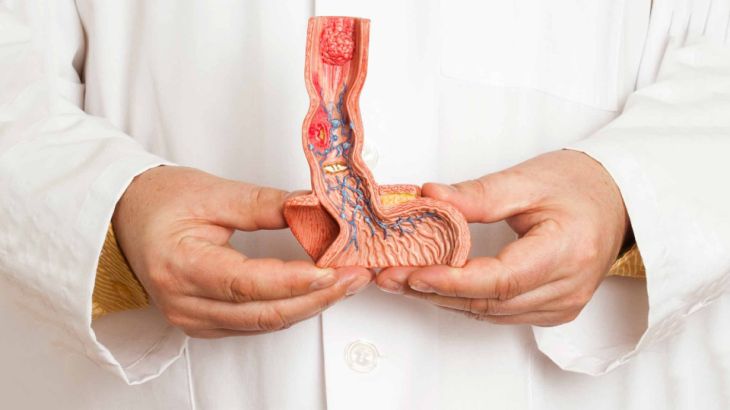
Esophageal cancer is a type of cancer that starts in the esophagus, the tube that carries food and drinks from the mouth to the stomach. It can affect the way a person eats and swallows and may become more difficult to treat if it is found at a later stage.
What Is Esophageal Cancer?
Esophageal cancer develops when abnormal cells in the lining of the esophagus begin to grow out of control. The two main types are squamous cell carcinoma and adenocarcinoma.
These cancers can develop in different parts of the esophagus and have different risk factors. The exact cause is not always known.
What Are the Warning Signs of Esophageal Cancer?
Esophageal cancer may not cause noticeable symptoms in its early stages. As it develops, several symptoms may appear.
Difficulty Swallowing
Difficulty swallowing, called dysphagia, is one of the most common warning signs. A person may feel as though food is getting stuck in the throat or chest.
Swallowing problems may start with solid foods and later affect softer foods or liquids.
Unexplained Weight Loss
Some people lose weight without trying. This can happen because swallowing becomes difficult or because cancer affects appetite and eating habits.
Unexplained weight loss should always be discussed with a healthcare professional.
Chest or Throat Pain
Pain, pressure, or burning in the chest or throat may occur. Some people may notice discomfort when swallowing.
These symptoms can have many other causes, including acid reflux and other digestive conditions.
Persistent Heartburn or Indigestion
Frequent or long-lasting heartburn, acid reflux, or indigestion may sometimes be associated with problems in the esophagus.
Most people with heartburn do not have esophageal cancer, but persistent symptoms should be evaluated.
Hoarseness or Chronic Cough
Changes in the voice or a cough that does not go away may occur in some people with esophageal cancer.
These symptoms can also be caused by infections, allergies, reflux, and many other conditions.
Vomiting or Bleeding
Some people may experience vomiting or bleeding from the esophagus. Blood may appear in vomit or cause stools to become unusually dark.
These symptoms require prompt medical attention.
What Are the Risk Factors for Esophageal Cancer?
A risk factor is something that can increase the chance of developing a disease. Having one or more risk factors does not mean that a person will definitely develop cancer.
Tobacco Use
Smoking and other forms of tobacco use can increase the risk of esophageal cancer.
Avoiding tobacco is one of the important ways to reduce this risk.
Heavy Alcohol Use
Regular heavy alcohol consumption is associated with a higher risk of esophageal cancer. The risk can be especially concerning when heavy alcohol use occurs together with smoking.
Long-Term Acid Reflux
Long-term gastroesophageal reflux disease, or GERD, can damage the lining of the esophagus in some people.
Chronic reflux can also contribute to a condition called Barrett's esophagus, which can increase the risk of esophageal adenocarcinoma.
Barrett's Esophagus
Barrett's esophagus occurs when the normal lining of the lower esophagus changes because of long-term exposure to stomach acid.
Not everyone with Barrett's esophagus develops cancer, but the condition can increase the risk and may require regular medical monitoring.
Excess Body Weight
Being overweight or having obesity is associated with a higher risk of esophageal adenocarcinoma. Maintaining a healthy weight may help reduce this risk and can also benefit overall health.
Age
The risk of esophageal cancer generally increases with age. It is more common in older adults than in younger people.
Certain Medical Conditions
Some uncommon conditions can increase the risk of esophageal cancer. People with certain inherited conditions or long-term damage to the esophagus may have a higher risk.
How Is Esophageal Cancer Diagnosed?
Doctors usually begin by asking about symptoms and medical history. If esophageal cancer is suspected, an upper endoscopy may be used to examine the esophagus.
During an endoscopy, a thin flexible tube with a camera is passed through the mouth to look at the esophagus and stomach.
If an unusual area is found, the doctor may take a small tissue sample called a biopsy. The sample is examined in a laboratory to determine whether cancer cells are present.
Additional imaging tests may be used to learn more about the cancer and whether it has spread.
Can Esophageal Cancer Be Prevented?
There is no guaranteed way to prevent esophageal cancer, but some lifestyle choices may lower the risk.
Avoiding tobacco, limiting alcohol, maintaining a healthy weight, eating a balanced diet, and managing long-term acid reflux can all contribute to better health.
People with Barrett's esophagus or other risk factors should follow their healthcare professional's recommendations for monitoring.
FAQs
Is difficulty swallowing always a sign of esophageal cancer?
No. Difficulty swallowing can have many causes, including acid reflux, narrowing of the esophagus, and other medical conditions. Persistent swallowing problems should be checked by a healthcare professional.
Can acid reflux cause esophageal cancer?
Long-term acid reflux can increase the risk of esophageal adenocarcinoma in some people, particularly when it contributes to Barrett's esophagus. Most people with acid reflux do not develop cancer.
Does smoking increase the risk of esophageal cancer?
Yes. Tobacco use is an important risk factor for esophageal cancer. Avoiding tobacco can help reduce the risk.
Can esophageal cancer cause weight loss?
Yes. Unexplained weight loss can occur, particularly when swallowing becomes difficult or appetite decreases.
Is esophageal cancer preventable?
There is no guaranteed way to prevent it, but avoiding tobacco, limiting alcohol, maintaining a healthy weight, and managing long-term acid reflux may help lower the risk.
Conclusion
Esophageal cancer begins in the tube that carries food from the mouth to the stomach. Difficulty swallowing, unexplained weight loss, persistent heartburn, chest discomfort, hoarseness, and other changes can be possible warning signs.
Smoking, heavy alcohol use, long-term acid reflux, Barrett's esophagus, excess body weight, and increasing age can raise the risk.