Understanding Epilepsy: Causes, Symptoms, and Treatment
Epilepsy is a long-term neurological condition that affects the way electrical signals travel through the brain. When these signals become disrupted, they can trigger seizures, which may cause unusual movements, changes in awareness, unusual sensations, or temporary loss of consciousness. Although seizures are the main feature of epilepsy, not every seizure means a person has epilepsy. A diagnosis is usually made after repeated unprovoked seizures or when the risk of future seizures is considered high.
People of all ages can develop epilepsy, including children, adults, and older individuals. In many cases, the condition can be successfully managed with appropriate treatment, allowing people to live active and fulfilling lives. Early diagnosis, proper medical care, and awareness of seizure triggers play important roles in reducing complications and improving quality of life. Understanding epilepsy helps reduce misconceptions while encouraging timely treatment and better support for affected individuals.
What Causes Epilepsy?
Epilepsy develops when nerve cells in the brain produce sudden bursts of abnormal electrical activity. The exact cause is not always known, but several medical conditions and factors may increase the likelihood of developing epilepsy.
Some people inherit a genetic tendency that makes seizures more likely. Others develop epilepsy after head injuries, brain infections, strokes, brain tumors, or conditions that reduce oxygen supply to the brain. Developmental disorders and certain neurological diseases may also contribute to seizure disorders. In some individuals, no clear cause can be identified despite detailed medical evaluation.
Although epilepsy has many different causes, identifying the underlying reason helps healthcare providers choose the most suitable treatment plan.
Common Symptoms of Epilepsy
Seizures vary from person to person because different areas of the brain control different body functions. Some seizures involve brief staring episodes or momentary confusion, while others may cause muscle stiffening, jerking movements, or complete loss of consciousness.
Additional symptoms may include sudden falls, repetitive movements, unusual smells or tastes, temporary vision changes, numbness, or difficulty speaking. Some people experience an "aura" before a seizure, which may involve dizziness, fear, tingling sensations, or visual disturbances that act as an early warning sign.
Following a seizure, many individuals feel tired, confused, have difficulty remembering events, or need time to recover fully. Because symptoms differ widely, medical evaluation is essential for an accurate diagnosis.
Diagnosis and Treatment Options
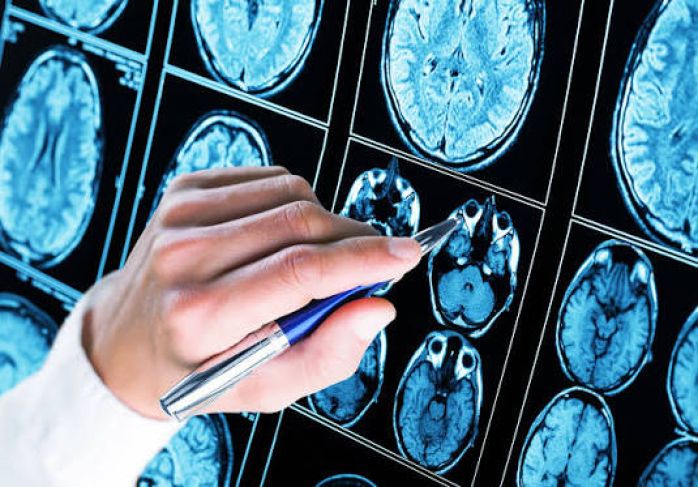
Diagnosing epilepsy begins with a detailed medical history, physical examination, and description of seizure episodes. Healthcare providers may recommend blood tests, brain imaging studies such as MRI or CT scans, and an electroencephalogram (EEG) to measure the brain's electrical activity.
Treatment depends on the type of epilepsy, seizure frequency, age, and overall health. Anti-seizure medications are the most common treatment and successfully control seizures for many people. Some individuals may benefit from surgery, implanted nerve stimulation devices, or specialized dietary therapy when medications are not effective.
Taking medications exactly as prescribed and attending regular follow-up appointments are important for maintaining seizure control. Treatment plans should never be changed without medical advice.
Living Well with Epilepsy
Many people with epilepsy lead healthy and productive lives by following simple daily habits that support seizure control. Getting enough sleep, taking medications consistently, eating a balanced diet, staying physically active, and managing stress can reduce the likelihood of seizures in some individuals.
Avoiding known seizure triggers, such as sleep deprivation, excessive alcohol intake, flashing lights in susceptible individuals, or missed medications, may also help prevent seizure episodes. Wearing medical identification and educating family members, friends, and coworkers about seizure first aid can improve safety during emergencies.
Regular medical checkups allow healthcare providers to monitor treatment effectiveness and make adjustments whenever necessary.
Conclusion
Early Care Can Help Manage Epilepsy Successfully
Epilepsy is a neurological condition that can often be managed effectively with timely diagnosis, appropriate treatment, and healthy lifestyle choices. Understanding its causes, recognizing seizure symptoms, and following a personalized treatment plan can reduce seizure frequency and improve daily life. With ongoing medical care, family support, and consistent self-management, many people with epilepsy are able to maintain independence, achieve personal goals, and enjoy a good quality of life.