How Can Environmental Pollution Influence Cancer Risk?
We often think about cancer risk in terms of smoking, alcohol, diet, or family history. But the environment around us can also influence our health. The air we breathe, the water we drink, the chemicals we encounter, and certain workplace exposures may contain substances that can damage cells and increase cancer risk.
Environmental pollution does not mean that a person exposed to pollution will develop cancer. Cancer usually results from a combination of factors, including genetics, age, lifestyle, and environmental exposures.
What Is Environmental Pollution?
Environmental pollution occurs when harmful substances enter the air, water, soil, or other parts of our surroundings.
Pollution can come from many sources, including:
-
Vehicle exhaust
-
Industrial emissions
-
Burning of fuels and waste
-
Contaminated water
-
Certain pesticides and chemicals
-
Tobacco smoke
-
Workplace exposures
-
Naturally occurring substances such as radon
The International Agency for Research on Cancer (IARC) considers environmental exposures to include potentially harmful substances found in air, water, food, soil, and workplaces.
How Can Pollution Increase Cancer Risk?
Some pollutants contain substances known as carcinogens. These are substances or exposures that can cause or increase the risk of cancer.
Certain carcinogens can damage DNA inside cells. DNA contains instructions that control how cells grow and divide. If this genetic material becomes damaged and the body cannot properly repair it, abnormal cells may develop.
Over time, repeated exposure to certain carcinogens can increase the possibility of abnormal cell growth.
Pollution can also contribute to inflammation and other biological changes that may create an environment where cancer can develop.
However, exposure does not automatically lead to cancer. The risk depends on factors such as the type of pollutant, amount and duration of exposure, and individual susceptibility.
How Does Air Pollution Affect Cancer Risk?
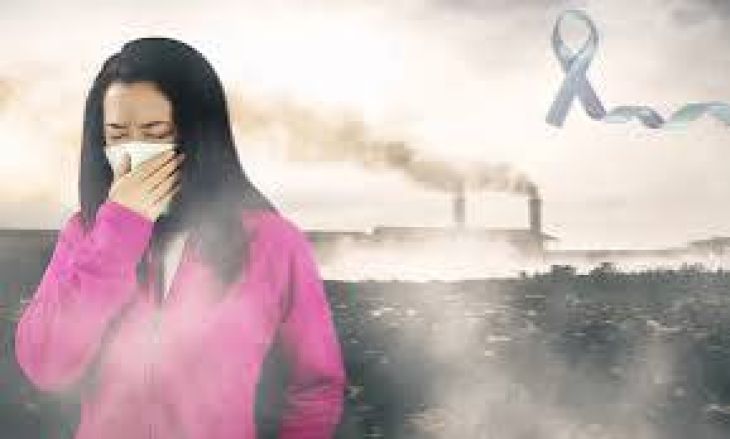
Air pollution is one of the most important environmental contributors to cancer risk. IARC has classified outdoor air pollution and particulate matter as carcinogenic to humans, with sufficient evidence linking exposure to lung cancer.
Fine particles such as PM2.5 can travel deep into the lungs when inhaled. Air pollution can come from traffic, industrial activity, power generation, construction, biomass burning, and other sources.
Long-term exposure to polluted air can increase the risk of lung cancer. IARC also reports an association between outdoor air pollution and increased bladder cancer risk.
Smoking remains a much larger cause of lung cancer, but air pollution is an important additional environmental risk.
Can Indoor Air Pollution Increase Cancer Risk?
Environmental pollution is not limited to outdoor air.
Indoor air can also contain harmful substances. Depending on the environment, people may be exposed to smoke from burning fuels, tobacco smoke, radon, or other pollutants.
Poor ventilation can allow certain pollutants to build up indoors.
Reducing indoor pollution through appropriate ventilation, avoiding tobacco smoke, and addressing known hazards can help reduce unnecessary exposure.
Can Contaminated Water Increase Cancer Risk?
Water can sometimes contain naturally occurring or human-made substances that may increase cancer risk.
For example, arsenic can occur naturally in groundwater in some regions. WHO notes that arsenic is a chemical carcinogen and that contaminated drinking water can be an important source of exposure.
Water contamination can also occur when industrial chemicals or pollutants enter water sources. Some contaminants can move through soil and water and potentially enter the food chain.
This is why maintaining safe drinking-water systems and monitoring contamination are important public health measures.
What About Workplace Pollution?
Some people may have greater exposure to harmful substances because of their jobs.
Certain workers may encounter dust, fibers, chemicals, metals, fumes, or other potentially hazardous materials.
For example, asbestos exposure is strongly associated with several cancers, including mesothelioma and lung cancer. Other occupational exposures have also been linked with specific cancers.
Following workplace safety procedures, using appropriate protective equipment, and reducing exposure to hazardous substances can help protect workers.
Does Pollution Affect Everyone Equally?
No. Exposure can vary greatly between individuals and communities.
People who live near busy roads, industrial areas, polluted water sources, or certain workplaces may experience greater exposure to particular pollutants.
Children, older adults, workers with specific occupational exposures, and people with certain health conditions may also have different levels of vulnerability.
Importantly, environmental pollution is not always something an individual can control. IARC emphasizes that many environmental and occupational exposures require regulations and community-level action to reduce them effectively.
Can You Reduce Your Exposure?
Although individuals cannot control every source of pollution, some practical steps can help reduce exposure.
You can:
-
Avoid tobacco smoke.
-
Check local air-quality information when pollution levels are high.
-
Improve indoor ventilation when appropriate.
-
Follow workplace safety instructions.
-
Use recommended protective equipment around hazardous substances.
-
Have potentially contaminated water tested when there is a reason for concern.
-
Avoid unnecessary exposure to known carcinogenic chemicals.
-
Support community and public-health efforts that reduce pollution.
The most effective pollution-control measures often involve government regulations, safer industrial practices, cleaner transportation, and community action.
FAQs
Can air pollution cause cancer?
Yes. Outdoor air pollution and particulate matter have been classified by IARC as carcinogenic to humans, with strong evidence linking exposure to lung cancer.
Which cancer is most strongly linked to air pollution?
Lung cancer has the strongest established connection with outdoor air pollution. Some evidence also links outdoor air pollution with bladder cancer.
Can polluted water increase cancer risk?
Yes. Certain contaminants in drinking water, such as arsenic, are known carcinogens and can increase cancer risk with sufficient exposure.
Can workplace pollution cause cancer?
Certain workplace exposures, including asbestos and some chemicals, dusts, and metals, can increase the risk of specific cancers. Following workplace safety procedures can help reduce exposure.
Conclusion
Environmental pollution can influence cancer risk when people are exposed to certain carcinogenic substances in the air, water, soil, food, or workplace. Air pollution is particularly important because long-term exposure is linked with an increased risk of lung cancer. Other environmental hazards, including certain chemicals, asbestos, radon, and contaminated water, can also contribute to cancer risk.