ECG and Heart Monitoring Test Guide
Heart diseases are among the main health issues people face around the world.
Finding heart problems early can help improve treatment and stop serious issues from happening.Modern medicine uses many tests to check the heart’s condition, and one of the most common ones is the electrocardiogram, or ECG.Along with ECG, doctors use various heart monitoring tests to look at heart rhythm, find problems, and see how well the heart is working.These tests can help spot problems like irregular heartbeats, blocked blood flow, heart attacks, weak heart muscle, and other heart-related issues.Some monitoring tests are done in hospitals for a short time, while others track the heart continuously over hours or days.Since heart disease symptoms can sometimes come and go or be hard to notice during a regular checkup, continuous monitoring is very helpful.Learning how ECG and heart monitoring tests work can help people understand why early diagnosis and regular heart health checks are important.
What Is an ECG and How Does It Work
An electrocardiogram, known as ECG or EKG, is a simple test that records the electrical activity of the heart.
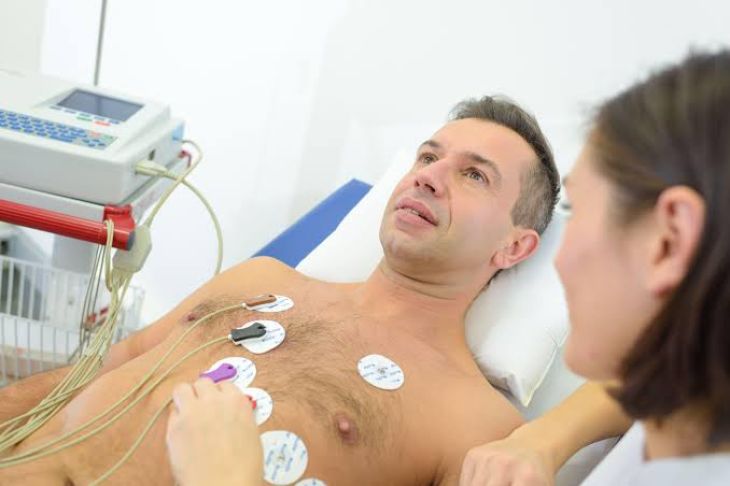
The heart works by creating electrical signals that control each heartbeat.These signals make the heart muscles contract and pump blood through the body.An ECG captures these signals and shows them as wave patterns on a screen or printed graph.During the test, small sticky electrodes are placed on the patient’s chest, arms, and legs.These sensors pick up the electrical signals and send them to the ECG machine.The process is painless and takes only a few minutes.Doctors look at the wave patterns to spot any issues with heart rhythm or function.ECG tests can find problems like irregular heartbeats, heart attack damage, poor blood flow to the heart, and enlarged heart chambers.Because it’s quick, affordable, and painless, it’s often used during regular checkups, emergencies, and before certain surgeries.It’s one of the most important tools for checking heart health.
Different Types of Heart Monitoring Tests
While an ECG gives information at a single moment, doctors sometimes need to watch the heart over longer periods.
That’s why different heart monitoring tests are used depending on the symptoms and suspected conditions.One common test is the Holter monitor.This portable device records heart activity for 24 to 48 hours as the patient goes about normal daily activities.It helps find irregular heartbeats that might not show up during a short ECG.Another option is an event monitor, which is worn for several weeks.Unlike the Holter monitor, it only records when the patient has symptoms like dizziness, chest pain, or a fast heartbeat.Patients can turn the device on when they feel symptoms.Stress testing is another method.In this test, heart activity is checked while the patient exercises on a treadmill or stationary bike.It helps doctors understand how the heart works during physical activity.Continuous monitoring gives a better picture of conditions that don’t show up during a regular visit.
Why Doctors Recommend Cardiac Monitoring Tests
Doctors suggest ECG and heart monitoring tests when patients have signs that might show heart problems.
Chest pain is one of the most common reasons for immediate evaluation.Other symptoms like shortness of breath, dizziness, a fast heartbeat, fainting, and unexplained tiredness can also suggest heart issues.People with high blood pressure, diabetes, obesity, high cholesterol, or a family history of heart disease are often advised to get regular heart monitoring.Even those without obvious symptoms may need tests before surgery or after certain procedures.Athletes sometimes undergo cardiac testing to make sure the heart can handle intense activity.Continuous monitoring is especially useful when symptoms come unexpectedly.Some heart problems happen only occasionally and may disappear before reaching a hospital.Portable monitoring devices let doctors catch these temporary issues.Early detection can help prevent serious problems like stroke, severe heart rhythm issues, heart failure, or sudden cardiac arrest.Regular monitoring helps doctors make accurate diagnoses and create treatment plans that suit the individual’s health needs.
Benefits and Importance of Early Heart Diagnosis
One of the main benefits of ECG and heart monitoring tests is early diagnosis.
Finding heart disease before symptoms get worse allows doctors to start treatment sooner and reduce long-term problems.Many heart conditions develop slowly and go unnoticed until serious damage happens.Monitoring tests help find these hidden problems early.Accurate diagnosis helps doctors choose the best treatment, such as medications for irregular heartbeats, high blood pressure, or poor blood flow.In some cases, test results may show the need for advanced procedures like pacemaker implantation or heart surgery.Another important benefit is prevention.People who know they have heart issues often make healthier lifestyle choices, like eating better, exercising, quitting smoking, and managing stress.Monitoring also lets doctors track if treatment is working over time.With more awareness of heart health, early testing has become a key part of preventive care.Timely diagnosis can save lives, reduce hospital visits, and improve the quality of life for people at risk of heart disease.
Conclusion
ECG and heart monitoring tests are important tools used to find heart problems and check how well the heart is working.
From standard ECG tests to advanced portable monitoring devices, these technologies help doctors spot issues that might go unnoticed for a long time.Early detection remains one of the strongest ways to fight serious heart disease.