What Are the Early Warning Signs and Risk Factors of Oral Cancer?
One kind of cancer that can appear in various parts of the mouth and throat is oral cancer. The roof of the mouth, inner cheeks, tongue, gums, lips, and other parts of the mouth may be affected.
When detected early, oral cancer, like many other cancers, may be easier to treat. When something strange does not go away, people might be encouraged to seek medical assistance by being aware of the warning signals and the variables that may raise risk.
What Is Oral Cancer?
When aberrant cells in the oral tissues start to proliferate out of control, oral cancer occurs.
It may appear in many oral cavity regions. The back of the throat may also be affected by certain oral malignancies.
The condition can affect people of different ages, although certain lifestyle and health factors can increase the risk.
What Are Oral Cancer's Early Warning Signs?
The initial symptoms of oral cancer are not usually evident. Certain alterations could resemble typical oral health issues.
Possible warning signs include:
-
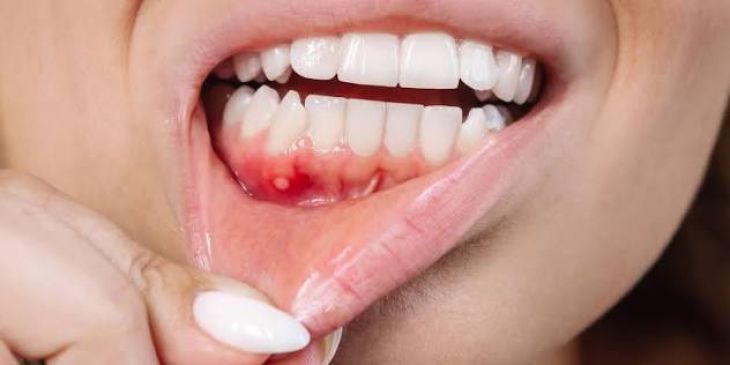
A sore in the mouth that does not heal
-
A swollen or lumped area within the mouth
-
A red, white, or mixed-colored patch
-
Unexplained bleeding in the mouth
-
Persistent mouth or throat pain
-
Difficulty chewing or swallowing
-
Difficulty moving the tongue or jaw
-
Numbness or unusual feeling in part of the mouth
-
A chronic aching throat or a trapped feeling
-
Changes in the way dentures fit
-
A lump or swelling in the neck
-
Persistent changes in the voice
Oral cancer is not always indicated by these symptoms. Many can be brought on by injuries, infections, dental issues, or other ailments.
However, a dentist or physician should examine any odd or persistent changes.
What Are the Major Risk Factors?
The risk of oral cancer can be raised by a number of variables.
Tobacco Use
Oral cancer risk can be raised by smoking pipes, cigars, or cigarets. Additionally, chewing tobacco and other smokeless tobacco products can harm oral tissues and raise the risk of cancer.
The longer and more frequently tobacco is used, the greater the risk can become.
Alcohol Use
Another significant risk factor is heavy alcohol use. When heavy alcohol consumption coexists with tobacco use, the danger may be substantially greater.
HPV Infection
The risk of some oral and throat malignancies can be raised by specific strains of the human papillomavirus, or HPV.
Not every HPV infection causes cancer. Many HPV infections go away on their own, but certain persistent infections can cause cellular changes.
Sun Exposure
Long-term exposure to ultraviolet radiation can increase the risk of cancers affecting the lips, particularly the lower lip.
Using appropriate sun protection can help reduce unnecessary UV exposure.
Age
Oral cancer is more common in older adults, though it can strike younger people as well.
Can Oral Cancer Be Prevented?
Not every case can be prevented, but several lifestyle choices may reduce risk.
One of the most crucial actions is to abstain from smoke. Reducing alcohol intake can also lower risk.
Protecting the lips from excessive sunlight and maintaining good oral hygiene are also important for overall mouth health.
Frequent dental checkups can assist in spotting odd oral changes. Dental examinations do not prevent every case of oral cancer, but they can provide an opportunity for suspicious areas to be noticed.
How Is Oral Cancer Diagnosed?
The mouth, tongue, gums, throat, and neck may all be examined by a physician or dentist.
Further testing can be advised if an uncommon area is discovered. A biopsy may be performed to examine cells or tissue under a microscope and determine whether cancer is present.
Additionally, imaging examinations might be utilized to ascertain whether the disease has spread or to comprehend the location and size of a tumor.
How Is Oral Cancer Treated?
The kind, location, and stage of the cancer all affect the course of treatment.
Surgery, radiation therapy, chemotherapy, targeted therapy, or immunotherapy are some possible forms of treatment. A mix of treatments may be given to certain individuals.
A medical team creates the treatment plan based on each patient's unique circumstances.
When Should You Visit a Dentist or Physician?
You shouldn't dismiss a mouth sore that doesn't go away, an inexplicable lump, chronic pain, strange patches, or trouble swallowing.
There are other non-cancerous explanations for these symptoms. Still, if a change continues for several weeks or keeps returning, it is important to have it evaluated.
Early medical attention can help identify the cause and allow appropriate treatment when necessary.
FAQs
Are all oral sores indicative of oral cancer?
No. Most mouth sores are caused by common problems such as irritation, infections, or minor injuries. A medical expert should be consulted if a sore does not heal.
Can non-smokers develop oral cancer?
Indeed. Although tobacco usage is a significant risk factor, non-smokers can still get mouth cancer.
Can HPV cause oral cancer?
Certain high-risk HPV strains can raise the chance of developing certain oral and throat cancers. But having an HPV infection does not guaranty that a person would get cancer.
Can oral cancer be cured?
Many cases can be treated successfully, particularly when cancer is detected early. The disease's nature, location, and stage all affect the prognosis.
How can I lower my chance of developing mouth cancer?
Avoiding tobacco, limiting alcohol, protecting the lips from excessive sunlight, maintaining good oral health, and getting persistent mouth changes checked can help reduce risk.
Conclusion
Different parts of the mouth and throat might develop oral cancer. Unusual patches, lumps, recurrent mouth sores, unexplained bleeding, pain, or trouble swallowing can all be warning flags, though there may be other reasons for these symptoms.
Understanding risk factors and paying attention to unusual changes can encourage earlier medical evaluation. It's crucial to consult a dentist or physician if something in your mouth doesn't heal or keeps changing.