What Are the Different Types of Cancer and How Do They Affect the Body?
Cancer is not a single disease. It is a group of diseases that begin when abnormal cells grow uncontrollably and spread to other parts of the body. There are more than one hundred types of cancer, and each one affects the body differently depending on where it starts and how it grows.
Learning about the different types of cancer can help you understand their symptoms, risk factors, and the importance of early detection. While some cancers are more common than others, recognizing the warning signs and seeking medical care early can improve treatment outcomes.
What Is Cancer?
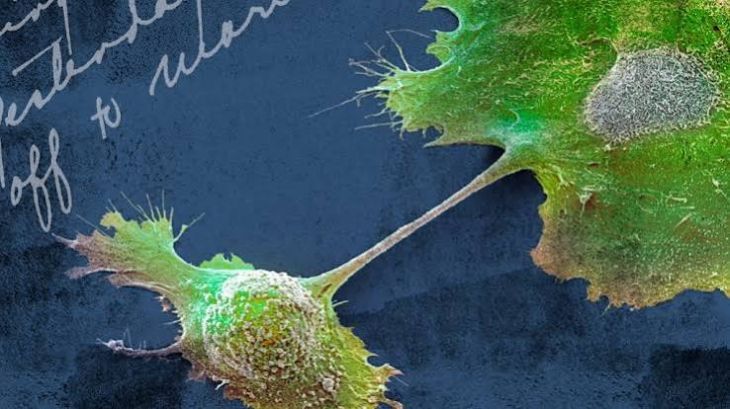
The human body is made up of trillions of cells that normally grow, divide, and die in a controlled way. Cancer develops when some cells begin to grow abnormally and do not stop multiplying. These abnormal cells can form a mass called a tumor or spread through the blood and lymphatic system to other parts of the body.
Some cancers form solid tumors, while others, such as blood cancers, do not.
Breast Cancer
Breast cancer begins in the tissues of the breast and is one of the most common cancers worldwide. Although it mainly affects women, men can also develop breast cancer.
Common symptoms include:
A lump in the breast or underarm
Changes in breast shape or size
Skin dimpling or redness
Nipple discharge or inversion
If left untreated, breast cancer may spread to nearby lymph nodes or other organs such as the bones, lungs, or liver.
Lung Cancer
Lung cancer starts in the lungs and often develops after years of exposure to tobacco smoke. However, it can also occur in people who have never smoked.
Common symptoms include:
Persistent cough
Chest pain
Shortness of breath
Coughing up blood
Unexplained weight loss
As lung cancer progresses, it can affect breathing and spread to the brain, bones, liver, or other organs.
Colorectal Cancer
Colorectal cancer develops in the colon or rectum. It often begins as small growths called polyps that may become cancerous over time.
Possible symptoms include:
Blood in the stool
Changes in bowel habits
Abdominal pain
Unexplained weight loss
Fatigue
Early screening can detect and remove polyps before they become cancer.
Prostate Cancer
Prostate cancer affects the prostate gland in men and is one of the most common cancers in older males.
Many people experience no symptoms in the early stages. As the disease progresses, symptoms may include:
Difficulty urinating
Frequent urination
Blood in the urine
Pain in the lower back or hips
Advanced prostate cancer may spread to nearby bones and lymph nodes.
Skin Cancer
Skin cancer develops when skin cells are damaged, often due to excessive exposure to ultraviolet (UV) rays from the sun or tanning beds.
Warning signs include:
A new mole or skin growth
Changes in the size, color, or shape of a mole
A sore that does not heal
Early treatment is highly effective for most skin cancers.
Cervical Cancer
Cervical cancer begins in the cervix and is commonly linked to persistent infection with certain types of the human papillomavirus (HPV).
Possible symptoms include:
Abnormal vaginal bleeding
Pelvic pain
Pain during intercourse
Unusual vaginal discharge
Regular screening and HPV vaccination can significantly reduce the risk of cervical cancer.
Blood Cancers
Blood cancers, including leukemia, lymphoma, and multiple myeloma, affect the blood, bone marrow, or lymphatic system rather than forming solid tumors.
Common symptoms include:
Frequent infections
Easy bruising or bleeding
Persistent fatigue
Swollen lymph nodes
Fever or night sweats
These cancers interfere with the body's ability to produce healthy blood cells and fight infections.
How Can Cancer Affect the Body?
Regardless of where cancer starts, it can affect the body in many ways. Cancer may:
Damage nearby tissues and organs
Spread to other parts of the body
Cause pain or discomfort
Lead to fatigue and weakness
Affect appetite and weight
Reduce the body's ability to fight infections
The effects depend on the type of cancer, its stage, and the person's overall health.
Why Is Early Detection Important?
Many cancers are easier to treat when they are found early. Regular health checkups and recommended screening tests can detect certain cancers before symptoms appear.
Pay attention to warning signs such as unusual lumps, unexplained weight loss, persistent pain, changes in bowel or bladder habits, ongoing cough, or unusual bleeding. If you notice any of these symptoms, consult a healthcare professional promptly.
FAQs
What are the most common types of cancer?
Some of the most common types include breast cancer, lung cancer, colorectal cancer, prostate cancer, skin cancer, cervical cancer, and blood cancers such as leukemia and lymphoma.
Can cancer spread to other parts of the body?
Yes. Many cancers can spread through the blood or lymphatic system to other organs. This process is called metastasis.
Are all cancers treated the same way?
No. Treatment depends on the type of cancer, its stage, location, and the patient's overall health. Options may include surgery, radiation therapy, chemotherapy, targeted therapy, immunotherapy, or a combination of treatments.
Can cancer be detected before symptoms appear?
Yes. Screening tests such as mammograms, Pap tests, colonoscopy, and low-dose CT scans for eligible individuals can detect certain cancers early.
Can a healthy lifestyle reduce cancer risk?
Yes. Avoiding tobacco, eating a balanced diet, staying physically active, maintaining a healthy weight, limiting alcohol, and attending regular screenings can help lower the risk of several types of cancer.
Conclusion
Cancer includes many different diseases, each affecting the body in unique ways. Breast cancer, lung cancer, colorectal cancer, prostate cancer, skin cancer, cervical cancer, and blood cancers are among the most common types. Understanding their symptoms and how they affect the body can help you recognize potential warning signs and seek medical care early.