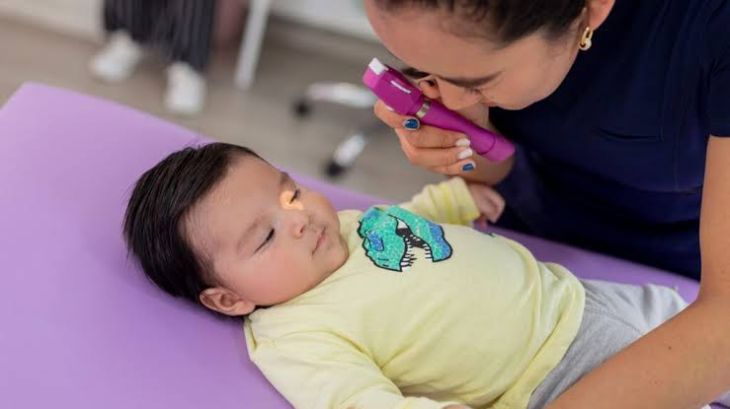
What Are the Early Signs, Diagnosis, and Treatment Options for Retinoblastoma?
Retinoblastoma is a rare type of eye cancer that mainly affects babies and young children. It begins in the retina, the light-sensitive layer at the back of the eye that helps us see. The condition can affect one or both eyes and is most often diagnosed in children under five years old.
Finding retinoblastoma early is important because treatment can often save the child's life and may also preserve vision. Parents and caregivers should know the warning signs and seek medical advice if they notice unusual changes in a child's eyes.
What Is Retinoblastoma?
Retinoblastoma develops when cells in the retina grow in an uncontrolled way. These abnormal cells can form a tumor inside the eye. In some cases, the cancer may spread to nearby tissues or other parts of the body if it is not treated.
Retinoblastoma may occur in one eye or both eyes. Some cases are linked to changes in the RB1 gene, which helps control cell growth. These genetic changes may be inherited or may develop for the first time in a child.
What Are the Early Signs of Retinoblastoma?
The symptoms can vary, but some common warning signs include:
White reflection in the pupil: The pupil may appear white or glow in certain photographs instead of showing the usual red reflection.
Eyes that do not look in the same direction: One eye may turn inward or outward.
Redness or swelling: The eye may look red, irritated, or swollen without a clear reason.
Poor vision: A child may have difficulty seeing or may not follow objects as expected.
Different-looking pupils: One pupil may look larger or appear unusual compared with the other.
Eye pain: Pain can occur in more advanced cases.
A white pupil does not always mean cancer, but it should never be ignored. Arrange an urgent eye examination if you notice this sign, especially if it appears repeatedly in photographs.
How Is Retinoblastoma Diagnosed?
An eye specialist usually diagnoses retinoblastoma through a detailed eye examination. The doctor may use special instruments to examine the retina and look for tumors.
Depending on the child's condition, diagnostic steps may include:
Eye examination: The specialist checks the inside of the eye for abnormal growths.
Examination under anesthesia: Young children may need anesthesia so the doctor can examine their eyes carefully.
Imaging tests: Ultrasound or MRI scans may help assess the tumor and check whether it has spread beyond the eye.
Genetic testing: Testing for changes in the RB1 gene may be recommended to understand inherited risk and guide screening for family members.
A biopsy of the eye tumor is generally avoided when retinoblastoma is suspected because it may increase the risk of spreading cancer cells.
What Are the Treatment Options for Retinoblastoma?
Treatment depends on the tumor's size, location, number, and whether one or both eyes are affected. The child's overall health and the possibility of preserving vision also matter.
Chemotherapy
Chemotherapy uses medicines to destroy cancer cells or shrink tumors. It may be given through a vein, directly into an artery supplying the eye, or into the area around the eye in selected cases.
Laser Therapy
Laser treatment can destroy small tumors or damage their blood supply. It may be used for suitable tumors, sometimes alongside other treatments.
Cryotherapy
Cryotherapy uses extreme cold to destroy small tumors. It is often considered for tumors in suitable locations and sizes.
Radiation Therapy
Certain forms of radiation may be used in selected cases. Doctors carefully weigh the benefits and risks, especially in young children.
Surgery
If the tumor is very large or the eye cannot be saved safely, removing the affected eye may be necessary. This procedure is called enucleation. Although it can be difficult for families, it may be the safest way to control the cancer in some cases.
Can Retinoblastoma Be Prevented?
Most cases cannot be prevented. However, genetic counseling and testing may help families understand inherited risk.
Children with a known RB1 gene change or a family history of retinoblastoma may need eye examinations beginning soon after birth and continuing on a schedule set by a specialist. Early screening can help detect tumors before they become more advanced.
Why Is Early Treatment Important?
Early diagnosis can improve the chance of survival and increase the possibility of saving the affected eye and preserving vision. Treatment may be more complex when the tumor grows larger or spreads outside the eye.
Parents should seek urgent medical attention if a child develops a persistent white pupil, a new eye misalignment, or unexplained changes in vision. A pediatric ophthalmologist or specialist in childhood eye cancer can recommend the next steps.
FAQs
Is retinoblastoma common in children?
No. It is rare, but it is one of the most common primary cancers of the eye in young children.
Can retinoblastoma affect both eyes?
Yes. It can affect one or both eyes. Tumors in both eyes are more often associated with an inherited or constitutional RB1 gene change.
Is retinoblastoma treatable?
Yes. Many cases can be treated successfully, especially when detected early. The treatment plan depends on the extent of the cancer and whether the eye and vision can be safely preserved.
Does a white pupil always mean retinoblastoma?
No. Other eye conditions can also cause a white pupil. However, a repeated white reflection should be assessed urgently by an eye specialist.
Can retinoblastoma run in families?
Yes. Some cases are linked to inherited changes in the RB1 gene. Genetic counseling can help families understand their risk and decide whether relatives need screening.
Conclusion
Retinoblastoma is a rare but serious eye cancer that mainly affects young children. A white pupil, unusual eye alignment, or unexplained vision changes can be important warning signs. Early examination, accurate diagnosis, and timely treatment can improve outcomes and may preserve vision. If you notice unusual changes in your child's eyes, seek prompt medical advice rather than waiting for symptoms to disappear.