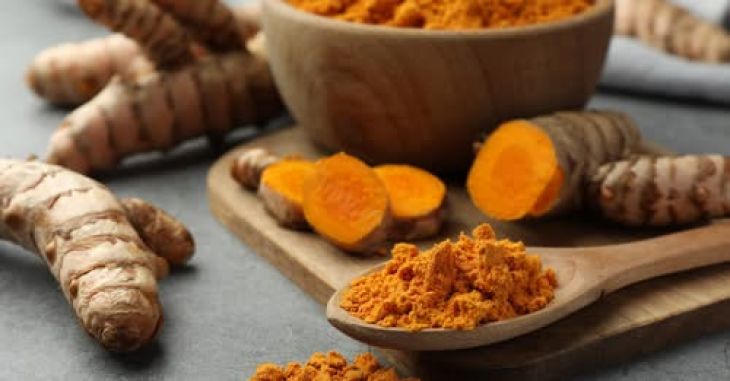
Curcumin as a Natural Anti-Inflammatory Compound
Inflammation is a natural response of the body's immune system. When the body encounters an injury, infection, or harmful substance, inflammation helps initiate the healing process and protects tissues from further damage. While short-term inflammation is beneficial and necessary, chronic inflammation can contribute to a wide range of health problems, including joint discomfort, cardiovascular issues, metabolic disorders, and certain age-related conditions. As awareness of the effects of chronic inflammation grows, many people are looking for natural ways to support their health. One compound that has attracted significant attention is curcumin, the primary active ingredient found in turmeric.
Curcumin is a naturally occurring plant compound responsible for turmeric’s distinctive yellow color. Turmeric has been used for centuries in traditional cooking and wellness practices, particularly in South Asian cultures. In recent decades, scientific interest in curcumin has increased because of its potential ability to help regulate inflammatory processes within the body. While turmeric contains many beneficial compounds, curcumin is considered the most biologically active and has become the focus of numerous studies exploring its health-supporting properties.
Understanding Inflammation
To appreciate the importance of curcumin, it is helpful to understand how inflammation works. Acute inflammation is a short-term response that occurs when the body is injured or infected. Symptoms such as redness, swelling, warmth, and pain are signs that the immune system is actively working to repair damaged tissues.
However, inflammation does not always disappear after the immediate threat has passed. In some cases, it can become chronic and persist for months or even years. Chronic inflammation may develop due to factors such as poor diet, stress, lack of physical activity, obesity, environmental toxins, or underlying health conditions. Over time, this ongoing inflammatory activity can place stress on tissues and organs.
Researchers have become increasingly interested in natural compounds that may help support the body's ability to maintain a balanced inflammatory response. Curcumin is one of the most widely studied examples.
What Makes Curcumin Unique?
Curcumin belongs to a group of compounds known as curcuminoids. These plant-based substances possess antioxidant and anti-inflammatory properties that may contribute to overall health. Unlike synthetic compounds designed for a specific purpose, curcumin interacts with multiple pathways in the body.
One reason for its popularity is its dual action. Curcumin not only helps support a healthy inflammatory response but also acts as an antioxidant. Antioxidants help neutralize free radicals, unstable molecules that can damage cells and contribute to oxidative stress. Since oxidative stress and inflammation are often linked, curcumin’s ability to address both processes makes it particularly interesting from a nutritional perspective.
How Curcumin Supports a Healthy Inflammatory Response
Scientists believe curcumin influences several biological mechanisms associated with inflammation. Rather than targeting a single pathway, it appears to interact with multiple molecules involved in the body's immune response. This broad activity is one reason why curcumin has gained attention in the wellness and nutrition communities.
Some of the ways curcumin may support the body include:
-
Helping regulate inflammatory signaling pathways
-
Supporting the body's natural healing processes
-
Contributing to cellular protection through antioxidant activity
-
Assisting in maintaining healthy tissue function
-
Supporting joint and muscle comfort as part of a balanced lifestyle
-
Promoting overall wellness through its plant-based bioactive compounds
These benefits have made curcumin a popular ingredient in dietary supplements and functional foods designed to support long-term health.
Curcumin and Joint Health
One of the most common reasons people explore curcumin is its potential role in supporting joint health. As people age, wear and tear on joints may contribute to stiffness and discomfort. Inflammation can also play a role in these challenges.
Because curcumin helps support a balanced inflammatory response, it has become a popular choice among individuals seeking natural approaches to maintaining mobility and comfort. While it should not be viewed as a replacement for medical care, many people incorporate turmeric or curcumin into their wellness routines as part of a broader strategy that includes exercise, proper nutrition, and healthy lifestyle habits.
Antioxidant Benefits of Curcumin
Inflammation and oxidative stress often occur together. Free radicals generated by pollution, stress, smoking, poor diet, and normal metabolic processes can damage cells over time. Antioxidants help reduce this damage by neutralizing these unstable molecules.
Curcumin’s antioxidant properties may help protect cells from oxidative stress and support overall cellular health. This protective role is one reason why researchers continue to study curcumin in relation to healthy aging and long-term wellness.
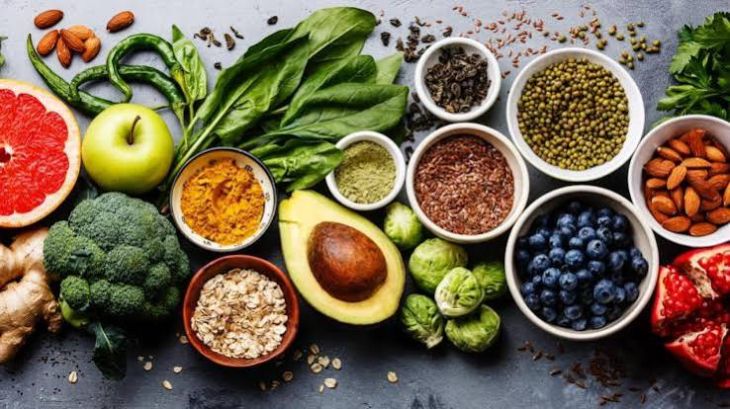
A diet rich in antioxidant-containing foods, including fruits, vegetables, herbs, and spices like turmeric, can contribute to overall health and resilience.
Curcumin and Everyday Wellness
The appeal of curcumin extends beyond specific health concerns. Many people view it as a valuable component of a balanced lifestyle because it supports the body in multiple ways. Incorporating turmeric into meals is a simple way to add flavor while also introducing beneficial plant compounds into the diet.
Common ways people consume curcumin include:
-
Adding turmeric to soups and curries
-
Mixing turmeric into rice and vegetable dishes
-
Preparing turmeric tea or herbal beverages
-
Using turmeric in smoothies
-
Consuming curcumin supplements under professional guidance
Traditional cooking methods often combine turmeric with black pepper, which contains piperine. Piperine may help improve the body's ability to absorb curcumin, making it more available for use.
Limitations and Considerations
While curcumin has many promising qualities, it is important to recognize that it is not a miracle cure. Its effects can vary depending on factors such as dosage, individual health status, and absorption. Curcumin is best viewed as one component of a healthy lifestyle rather than a standalone solution.
Maintaining a balanced diet, staying physically active, managing stress, getting adequate sleep, and following medical advice remain essential for overall health. Curcumin can complement these habits but should not replace them.
Individuals considering high-dose curcumin supplements should consult a healthcare professional, particularly if they are taking medications or managing existing health conditions.
Conclusion
Curcumin has earned widespread attention as a natural anti-inflammatory compound due to its unique ability to support the body's inflammatory balance while also providing antioxidant protection. Derived from turmeric, this plant-based compound has been valued for centuries and continues to be studied for its potential contributions to health and wellness. By helping regulate inflammatory processes, protecting cells from oxidative stress, and supporting overall well-being, curcumin represents an important example of how natural compounds can play a role in a healthy lifestyle. When combined with balanced nutrition, regular exercise, and other positive habits, curcumin can be a valuable addition to an approach focused on long-term health and vitality.