What Is Coronary Artery Disease and How Does It Develop?
The heart needs a steady supply of oxygen-rich blood to work properly. Coronary arteries are the blood vessels that deliver this blood to the heart muscle. When these arteries become narrowed or blocked, the heart may not receive enough oxygen. This condition is called coronary artery disease (CAD).
What Is Coronary Artery Disease?
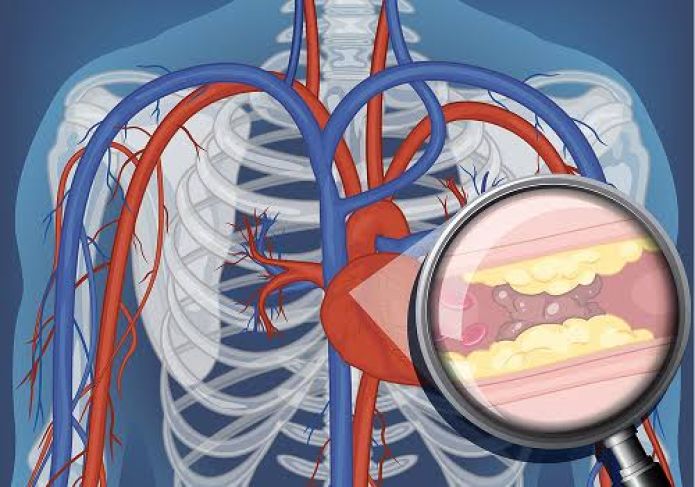
Coronary artery disease occurs when the arteries that supply blood to the heart become narrowed or blocked.
The most common cause is a process called atherosclerosis. This happens when fatty deposits, cholesterol, calcium, and other substances build up inside the walls of the arteries. These deposits are called plaque.
As plaque accumulates, the arteries can become narrower, reducing blood flow to the heart muscle.
How Does Coronary Artery Disease Develop?
CAD usually develops gradually. The process may begin when the inner lining of an artery becomes damaged.
Several factors can contribute to this damage, including high blood pressure, smoking, high cholesterol, diabetes, and inflammation.
Once the artery lining is damaged, cholesterol and other substances can collect in the affected area. Over time, plaque develops and the artery becomes less flexible and narrower.
As the opening inside the artery becomes smaller, less blood can reach the heart, especially when the heart needs more oxygen during exercise or physical activity.
What Are the Main Risk Factors?
Several factors can increase the likelihood of developing coronary artery disease.
High Cholesterol
High levels of LDL cholesterol can contribute to plaque buildup inside the arteries. HDL cholesterol helps carry excess cholesterol away from the bloodstream.
High Blood Pressure
Constantly high blood pressure can damage artery walls and make it easier for plaque to develop.
Smoking
Smoking damages blood vessels, reduces oxygen in the blood, and increases the risk of plaque formation and blood clots.
Diabetes
High blood sugar can damage blood vessels over time. People with diabetes are at increased risk of developing cardiovascular disease.
Lack of Physical Activity
Regular physical activity supports healthy blood pressure, cholesterol levels, blood sugar, and body weight. A sedentary lifestyle can increase several heart disease risk factors.
Excess Body Weight
Being overweight or obese can increase the risk of high blood pressure, diabetes, and unhealthy cholesterol levels, all of which can contribute to CAD.
Family History and Age
The risk of coronary artery disease increases with age. Having a close family member with early heart disease can also increase your risk.
What Symptoms Can Coronary Artery Disease Cause?
Some people with CAD have no symptoms for years. When blood flow becomes significantly reduced, symptoms may appear.
The most common symptom is angina, which can feel like:
-
Pressure or tightness in the chest
-
Squeezing or heaviness
-
Burning or discomfort
-
Pain that may spread to the arms, shoulders, neck, jaw, or back
Some people may also experience shortness of breath, fatigue, dizziness, or nausea.
Women and older adults may sometimes experience less typical symptoms, such as unusual tiredness, shortness of breath, or discomfort in the back or jaw.
Can Coronary Artery Disease Cause a Heart Attack?
Yes. A heart attack can occur when blood flow through a coronary artery becomes suddenly blocked.
A plaque deposit may rupture, causing a blood clot to form. If the clot completely blocks the artery, part of the heart muscle may be deprived of oxygen and begin to become damaged.
Severe or persistent chest pressure, difficulty breathing, cold sweating, fainting, or sudden weakness can be signs of a heart attack and require immediate emergency medical attention.
How Is Coronary Artery Disease Diagnosed?
Healthcare professionals may use several tests to evaluate heart health and blood flow.
These may include:
-
Blood tests
-
Electrocardiogram (ECG or EKG)
-
Echocardiogram
-
Exercise stress testing
-
Coronary CT scans
-
Coronary angiography
The tests recommended depend on symptoms, risk factors, and overall health.
How Is Coronary Artery Disease Treated?
Treatment depends on how severe the disease is and the individual's health.
Lifestyle changes are an important part of managing CAD. These may include eating a heart-healthy diet, exercising regularly, maintaining a healthy weight, quitting smoking, and managing blood pressure, cholesterol, and diabetes.
Doctors may also prescribe medications to control cholesterol, blood pressure, chest pain, or blood clotting.
For some people with significant artery narrowing, procedures such as angioplasty and stent placement or coronary artery bypass surgery may be considered.
Can Coronary Artery Disease Be Prevented?
Although some risk factors, such as age and family history, cannot be changed, many lifestyle factors can be managed.
You can support your heart by:
-
Eating more fruits, vegetables, whole grains, and lean proteins.
-
Limiting saturated and trans fats.
-
Staying physically active.
-
Avoiding tobacco.
-
Maintaining a healthy weight.
-
Managing stress.
-
Getting regular health checkups.
-
Keeping blood pressure, cholesterol, and blood sugar under control.
FAQs
What is the main cause of coronary artery disease?
The most common cause is atherosclerosis, in which plaque made up of cholesterol, fats, calcium, and other substances builds up inside the coronary arteries.
Can coronary artery disease be reversed?
Lifestyle changes and medical treatment can slow or manage the disease and reduce cardiovascular risk. The extent to which plaque can be reduced varies from person to person.
What are the early symptoms of coronary artery disease?
Some people have no symptoms. Others may experience chest pressure or discomfort, shortness of breath, unusual fatigue, or reduced ability to exercise.
Can healthy lifestyle choices reduce the risk of CAD?
Yes. Regular physical activity, a heart-healthy diet, avoiding tobacco, maintaining a healthy weight, and managing blood pressure, cholesterol, and diabetes can reduce risk.
Conclusion
Coronary artery disease develops when plaque gradually builds up inside the arteries that supply blood to the heart. As the arteries become narrower, the heart may not receive enough oxygen-rich blood, particularly during physical activity.