Which Cancer Risk Factors Can You Control and Which Can You Not?
Cancer is a complex disease that can develop due to a combination of genetic, environmental, and lifestyle factors. While no one can completely eliminate their risk of cancer, understanding what increases that risk can help you make healthier choices.
Some cancer risk factors are beyond your control, such as your age or family history. However, many others are linked to daily habits that you can change. By focusing on controllable risk factors, you can lower your chances of developing certain types of cancer and improve your overall health.
What Are Cancer Risk Factors?
A risk factor is anything that increases the likelihood of developing a disease. Having one or more risk factors does not mean you will definitely develop cancer, and people with no known risk factors can still be diagnosed with the disease.
Knowing your risk factors allows you and your healthcare provider to make informed decisions about prevention and screening.
Cancer Risk Factors You Can Control
Many of the most common cancer risk factors are related to lifestyle choices. Making positive changes in these areas can help reduce your risk.
Tobacco Use
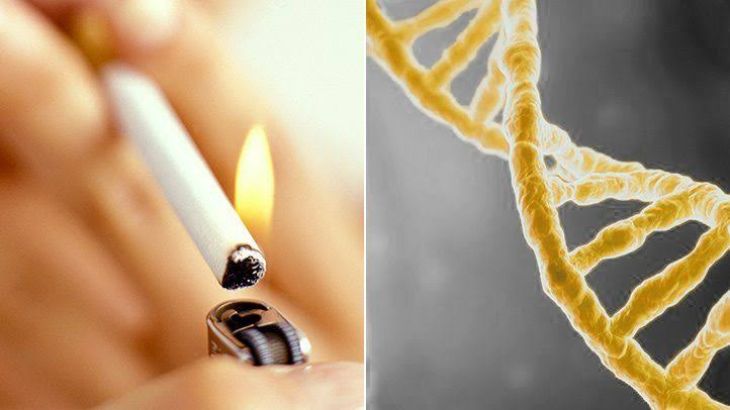
Smoking and using other tobacco products are among the leading causes of preventable cancer. Tobacco use increases the risk of cancers affecting the lungs, mouth, throat, bladder, pancreas, kidney, and several other organs.
Quitting tobacco at any age can improve your health and lower your cancer risk over time.
Unhealthy Diet
A diet high in processed foods, red and processed meats, sugary drinks, and unhealthy fats may increase the risk of certain cancers.
Eating a balanced diet that includes fruits, vegetables, whole grains, legumes, lean proteins, and healthy fats provides important nutrients that support overall health.
Physical Inactivity
Regular physical activity helps maintain a healthy body weight, improves the immune system, and lowers the risk of several cancers.
Simple activities such as walking, cycling, swimming, or gardening can make a meaningful difference when performed regularly.
Excess Body Weight
Being overweight or obese has been linked to an increased risk of several types of cancer.
Maintaining a healthy weight through balanced eating and regular exercise supports both cancer prevention and overall well-being.
Alcohol Consumption
Drinking alcohol increases the risk of several cancers, including cancers of the mouth, throat, liver, breast, and colon.
Limiting alcohol intake can help reduce this risk.
Sun Exposure
Too much exposure to ultraviolet (UV) rays from the sun or tanning beds increases the risk of skin cancer.
Protect your skin by wearing protective clothing, seeking shade during peak sunlight hours, and using sunscreen when outdoors.
Exposure to Harmful Chemicals
Certain workplace chemicals, air pollution, and environmental toxins may increase cancer risk.
Following workplace safety guidelines and reducing unnecessary exposure to harmful substances can help protect your health.
Certain Infections
Some viral and bacterial infections are associated with an increased risk of cancer. Vaccination, practicing good hygiene, and receiving appropriate medical care can help reduce this risk in some cases.
Cancer Risk Factors You Cannot Control
Although lifestyle choices are important, some risk factors cannot be changed.
Age
The risk of many cancers increases as people grow older because cells accumulate genetic changes over time.
Family History
Some people inherit genetic mutations that increase their risk of developing certain cancers. However, having a family history does not guarantee that cancer will occur.
Inherited Genetic Changes
Certain inherited gene mutations can increase the likelihood of developing cancers such as breast, ovarian, colorectal, or prostate cancer.
Healthcare providers may recommend additional screening or genetic counseling for people with strong family histories.
Biological Sex
Some cancers affect specific reproductive organs, while others occur more frequently in one sex than the other because of biological differences.
Previous Cancer Treatment
People who have received certain cancer treatments in the past may have a slightly increased risk of developing another type of cancer later in life. Healthcare providers carefully balance these risks against the benefits of treatment.
Why Regular Screening Matters
Even if you cannot change all of your risk factors, regular cancer screening can help detect certain cancers before symptoms appear.
Depending on your age, family history, and personal risk, your healthcare provider may recommend screening tests such as:
-
Mammograms
-
Pap tests
-
HPV testing
-
Colorectal cancer screening
-
Lung cancer screening for eligible individuals
-
Skin examinations
Early detection often improves treatment options and outcomes.
Healthy Habits That Lower Cancer Risk
You can support your long-term health by:
-
Avoiding tobacco products.
-
Eating a balanced and nutritious diet.
-
Staying physically active.
-
Maintaining a healthy weight.
-
Limiting alcohol consumption.
-
Protecting your skin from excessive sun exposure.
-
Attending recommended cancer screenings.
-
Discussing your family history with your healthcare provider.
These habits not only reduce cancer risk but also support overall physical and mental well-being.
FAQs
Can cancer always be prevented?
No. Cancer cannot always be prevented, but healthy lifestyle choices can reduce the risk of many types of cancer.
What is the biggest controllable cancer risk factor?
Tobacco use is one of the leading controllable risk factors for many types of cancer.
Does having a family history mean I will develop cancer?
No. A family history may increase your risk, but it does not mean you will definitely develop cancer.
Can regular exercise reduce cancer risk?
Yes. Staying physically active helps maintain a healthy weight and lowers the risk of several types of cancer.
Why are cancer screenings important?
Cancer screenings can detect certain cancers early, often before symptoms develop, making treatment more effective.
Conclusion
Cancer risk is influenced by both controllable and uncontrollable factors. While you cannot change your age, genetics, or family history, you can take meaningful steps to lower your risk through healthy lifestyle choices.
Avoiding tobacco, maintaining a healthy weight, eating nutritious foods, staying active, limiting alcohol, and attending regular screening appointments can all contribute to better long-term health. Understanding your personal risk factors and working with your healthcare provider can help you make informed decisions about cancer prevention and early detection.