What Are Blood Cancers and What Are the Different Types?
Blood cancers are a group of diseases that affect the blood, bone marrow, or lymphatic system. Unlike many solid tumors, blood cancers often begin in cells that normally help the body produce blood or fight infections.
There are several types of blood cancer, and each can behave differently. Some develop slowly over many years, while others can progress quickly and require immediate treatment.
What Are Blood Cancers?
Blood cancers develop when abnormal blood cells grow or multiply in an uncontrolled way.
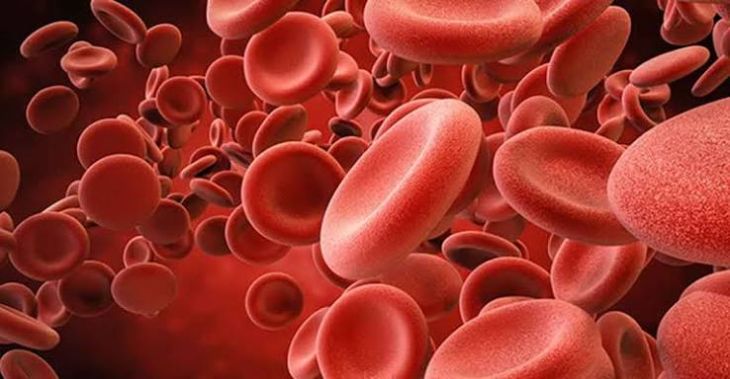
Most blood cells are produced in the bone marrow, a soft tissue inside many bones. Healthy blood cells include red blood cells, white blood cells, and platelets. They have important jobs such as carrying oxygen, fighting infections, and helping blood clot.
When abnormal cells interfere with normal blood-cell production or function, different health problems can develop.
Blood cancers are generally divided into three major groups:
-
Leukemia
-
Lymphoma
-
Multiple myeloma
What Is Leukemia?
Leukemia is a cancer that affects blood-forming tissues, particularly the bone marrow. It causes abnormal blood cells to develop and multiply.
The abnormal cells may interfere with the production of healthy blood cells. As a result, a person may have too few normal red blood cells, platelets, or healthy white blood cells.
There are several types of leukemia.
Acute Leukemia
Acute leukemia generally progresses quickly and usually requires prompt treatment.
The main types include:
-
Acute lymphoblastic leukemia (ALL)
-
Acute myeloid leukemia (AML)
-
Chronic Leukemia
Chronic leukemia generally develops more slowly.
The main types include:
-
Chronic lymphocytic leukemia (CLL)
-
Chronic myeloid leukemia (CML)
The symptoms and treatment of leukemia depend on the specific type and other individual factors.
What Is Lymphoma?
Lymphoma is a cancer that begins in lymphocytes, a type of white blood cell that plays an important role in the immune system.
Lymphocytes are found throughout the lymphatic system, including the lymph nodes, spleen, and other tissues.
The two major categories of lymphoma are:
Hodgkin Lymphoma
Hodgkin lymphoma is characterized by the presence of abnormal cells called Reed-Sternberg cells.
It can occur in people of different ages and is often treatable, particularly when detected at an earlier stage.
Non-Hodgkin Lymphoma
Non-Hodgkin lymphoma includes a large and diverse group of cancers involving lymphocytes.
Some forms grow slowly, while others can be aggressive and progress quickly.
Because non-Hodgkin lymphoma includes many different diseases, symptoms and treatment options can vary significantly.
What Is Multiple Myeloma?
Multiple myeloma is a cancer of plasma cells.
Plasma cells are specialized white blood cells that normally produce antibodies to help fight infections. In multiple myeloma, abnormal plasma cells multiply in the bone marrow and can interfere with normal blood-cell production.
The abnormal cells can also produce an abnormal protein that may cause problems in the body.
Multiple myeloma can affect the bones, kidneys, blood, and immune system.
What Are the Symptoms of Blood Cancer?
Symptoms can vary considerably depending on the type of blood cancer.
Common symptoms may include:
-
Persistent fatigue
-
Frequent infections
-
Unexplained weight loss
-
Fever or night sweats
-
Easy bruising or bleeding
-
Pale skin
-
Swollen lymph nodes
-
Bone pain
-
Shortness of breath
-
Weakness
Some symptoms can occur with many conditions that are not cancer. Having one or more of these symptoms does not mean that a person has blood cancer.
However, persistent or unexplained symptoms should be discussed with a healthcare professional.
What Causes Blood Cancer?
In many cases, there is no single identifiable cause.
Blood cancer develops when genetic changes cause blood-forming or immune cells to grow and behave abnormally.
Certain factors may increase the risk of some blood cancers, including:
-
Increasing age
-
Family history
-
Previous chemotherapy or radiation exposure
-
Certain genetic conditions
-
Exposure to some chemicals
-
Certain infections
-
A weakened immune system
Having a risk factor does not mean someone will develop blood cancer. Many people diagnosed with blood cancer have no obvious risk factors.
How Are Blood Cancers Diagnosed?
Doctors may use several tests to determine whether blood cancer is present.
These can include:
Blood Tests
A complete blood count, often called a CBC, can identify unusual levels of red blood cells, white blood cells, or platelets.
Additional blood tests may provide more information about abnormal cells.
Bone Marrow Tests
A bone marrow aspiration or biopsy may be performed to examine blood-forming tissue directly.
This can be especially important when leukemia or multiple myeloma is suspected.
Imaging Tests
CT scans, PET scans, MRI scans, or other imaging tests may be used for certain types of lymphoma and other blood cancers.
Lymph Node Biopsy
When lymphoma is suspected, doctors may remove part or all of a lymph node for laboratory examination.
How Are Blood Cancers Treated?
Treatment depends on the specific type of cancer, its characteristics, how quickly it is growing, and the person's overall health.
Treatment options may include:
-
Chemotherapy
-
Targeted therapy
-
Immunotherapy
-
Radiation therapy
-
Stem cell or bone marrow transplantation
-
Watchful waiting for selected slow-growing cancers
Some patients may receive more than one type of treatment.
Advances in cancer research have also led to newer targeted treatments and immunotherapies designed to attack cancer cells more precisely.
FAQs
What are the three main types of blood cancer?
The three major categories are leukemia, lymphoma, and multiple myeloma.
Is blood cancer the same as leukemia?
No. Leukemia is one type of blood cancer. Blood cancers also include lymphoma and multiple myeloma.
Can blood cancer cause fatigue?
Yes. Fatigue is a common symptom of several blood cancers, although it can also be caused by many other health conditions.
Can blood cancer be treated?
Yes. Treatment options depend on the specific type and may include chemotherapy, targeted therapy, immunotherapy, radiation, or stem cell transplantation.
Conclusion
Blood cancers are a diverse group of diseases that affect blood-forming tissues, immune cells, or the lymphatic system. The three main categories are leukemia, lymphoma, and multiple myeloma.
Each category includes different forms of cancer, and they can behave very differently. Some develop slowly, while others progress quickly.