How Is Biomarker Research Improving Early Cancer Detection?
Finding cancer early can make a major difference in treatment. When cancer is found before it grows or spreads, doctors may have more treatment options available. This is why researchers are looking for better ways to detect cancer as early as possible.
One area getting a lot of attention is biomarker research. Biomarkers may help doctors find signs of cancer in the body before obvious symptoms appear.
What Are Cancer Biomarkers?
A biomarker is a measurable sign found in the body. It can include a specific protein, gene change, hormone, or other substance.
Some biomarkers are linked to cancer. They may be found in blood, urine, tissue, or other body fluids.
Researchers are studying these markers to understand how cancer starts, develops, and changes. This research may also help create new tests for detecting cancer earlier.
How Can Biomarkers Help Detect Cancer?
Cancer cells can behave differently from healthy cells. They may produce unusual proteins or carry certain genetic changes.
Researchers can look for these changes and determine whether they could be useful as warning signs.
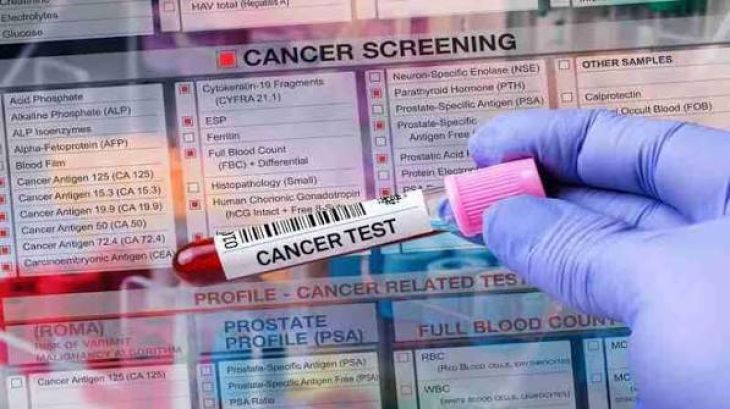
For example, a blood test may look for specific substances released by cancer cells. If a particular biomarker is detected, a doctor may recommend additional tests to find out what is causing the change.
Biomarkers are not always proof that someone has cancer. Other health conditions can sometimes cause similar changes.
Why Is Early Detection Important?
Early detection can give doctors a better chance to treat some cancers before they become more difficult to manage.
Some cancers do not cause clear symptoms in their early stages. By the time symptoms appear, the disease may already be more advanced.
Researchers hope that reliable biomarker tests could help identify certain cancers earlier, especially when they are small or have not yet spread.
How Are Blood Tests Being Studied?
Blood-based cancer detection is one of the most active areas of biomarker research.
Scientists are studying substances that can enter the bloodstream from tumors. These may include pieces of tumor DNA, proteins, or other biological signals.
Some research focuses on liquid biopsies, which use blood or another body fluid instead of taking a tissue sample from a tumor.
Liquid biopsy research could eventually make some types of cancer testing easier and less invasive. However, many of these tests are still being researched and are not replacements for standard cancer screening in most people.
Can Biomarkers Detect Different Types of Cancer?
Researchers are studying whether certain biomarkers can help identify different types of cancer.
Some biomarkers may be closely connected to one type of cancer, while others may appear in several cancers.
Scientists are also exploring tests that look for multiple biomarkers at the same time. The hope is that combining several signals could make cancer detection more accurate.
However, researchers still need to determine how well these tests work in large groups of people and whether they actually improve health outcomes.
How Is Artificial Intelligence Helping Biomarker Research?
Artificial intelligence and advanced computer tools are helping researchers examine large amounts of biological and medical data.
These tools can identify patterns that may be difficult to find manually. Researchers can use them to study genetic information, medical images, blood samples, and other data.
AI may help scientists discover new biomarkers or understand how several biomarkers work together.
Still, AI-based findings need careful testing and validation before they can be used widely in healthcare.
What Are the Challenges?
Biomarker research has several challenges.
A useful cancer test needs to be accurate. It should detect cancer when it is present while avoiding too many false alarms when cancer is not present.
Some biomarkers can also appear because of inflammation, infections, or other health conditions. This can make results harder to interpret.
Researchers must also determine whether finding cancer earlier actually helps people live longer or have better outcomes.
Could Biomarker Tests Change Cancer Screening?
Biomarker research could eventually add new options to existing cancer screening methods.
Instead of relying only on symptoms or traditional screening tests, doctors may one day have additional tools that can identify early biological changes.
However, biomarker tests should not be viewed as a replacement for recommended screening unless strong evidence shows that they are safe and effective.
FAQs
What is a biomarker?
A biomarker is a measurable substance or biological change that can provide information about what is happening inside the body.
Can a biomarker confirm cancer?
Not always. A biomarker result may suggest that more testing is needed, but many biomarkers can also be affected by conditions other than cancer.
What is a liquid biopsy?
A liquid biopsy is a test that looks for cancer-related material, such as tumor DNA, in a body fluid, often blood.
Are biomarker cancer tests available now?
Some biomarker tests are already used for specific cancers and medical decisions. Other tests, especially those designed to detect several cancers early, are still being researched.
Will biomarker research make cancer easier to detect?
It may. Researchers hope that better biomarkers will help identify some cancers earlier and make testing more precise. More research is needed to understand their full benefits.
Conclusion
Biomarker research is opening new possibilities for early cancer detection. By studying genetic changes, proteins, tumor DNA, and other biological signals, scientists are working to find cancer earlier and understand the disease better.
Blood-based tests, liquid biopsies, and AI-assisted research could become important parts of future cancer care. However, these technologies still need careful testing to make sure they are accurate, safe, and useful.