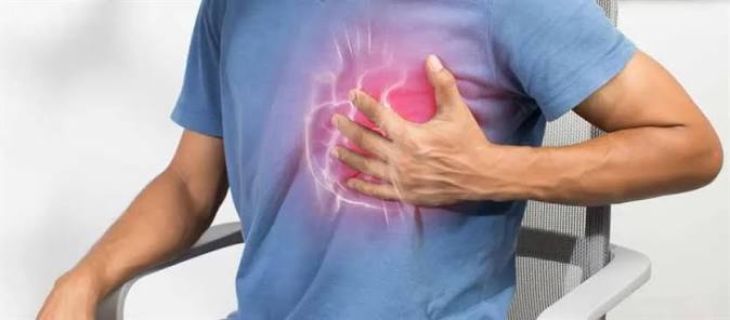
What Is Arrhythmia and When Can It Become Serious?
Your heart normally beats in a steady, regular rhythm to pump blood throughout your body. Sometimes, however, the heart may beat too fast, too slow, or with an irregular rhythm. This condition is known as arrhythmia. While some arrhythmias are harmless, others can interfere with the heart's ability to pump blood effectively and may require immediate medical attention.
Understanding the causes, symptoms, and warning signs of arrhythmia can help you recognize when it is time to seek medical care and protect your heart health.
What Is Arrhythmia?
Arrhythmia is a condition in which the heart beats irregularly. Instead of maintaining a normal rhythm, the heart may beat faster than usual, slower than normal, or skip beats altogether.
The heartbeat is controlled by electrical signals that travel through the heart muscle. When these signals are disrupted, the heart's rhythm can become abnormal.
Not every irregular heartbeat is dangerous, but persistent or severe arrhythmias should always be evaluated by a healthcare professional.
What Causes Arrhythmia?
Several factors can affect the heart's electrical system and increase the risk of developing arrhythmia.
Heart Disease
Conditions such as coronary artery disease, heart failure, heart valve disease, or previous heart attacks can damage the heart and interfere with its normal electrical signals.
High Blood Pressure
Long-term high blood pressure forces the heart to work harder, which may change the heart's structure and increase the likelihood of abnormal heart rhythms.
Diabetes
People with diabetes have a higher risk of heart disease, which can also increase the risk of developing arrhythmias.
Electrolyte Imbalance
Minerals such as potassium, sodium, calcium, and magnesium help regulate the heart's electrical activity. An imbalance in these minerals may trigger an irregular heartbeat.
Smoking and Excessive Alcohol
Smoking damages the heart and blood vessels, while excessive alcohol consumption can disrupt the heart's normal rhythm. Both habits increase the risk of arrhythmia.
Stress and Anxiety
Emotional stress, anxiety, and panic attacks may temporarily increase heart rate or trigger heart palpitations in some people.
Certain Medications
Some prescription medications, over-the-counter medicines, and dietary supplements can affect heart rhythm. Always take medications as directed and discuss any concerns with your healthcare provider.
Common Symptoms of Arrhythmia
Some people with arrhythmia experience noticeable symptoms, while others may have no symptoms at all.
Common signs include:
-
A racing heartbeat
-
A slow heartbeat
-
Fluttering or pounding in the chest
-
Skipped heartbeats
-
Chest discomfort
-
Shortness of breath
-
Dizziness
-
Lightheadedness
-
Fatigue
-
Fainting or near-fainting episodes
Symptoms may come and go or become more frequent over time.
When Can Arrhythmia Become Serious?
Many arrhythmias are mild and do not cause lasting health problems. However, some can become serious if they prevent the heart from pumping blood effectively.
Seek immediate medical attention if an irregular heartbeat is accompanied by:
-
Severe chest pain
-
Difficulty breathing
-
Fainting
-
Severe dizziness
-
Sudden weakness
-
Confusion
-
Loss of consciousness
These symptoms may indicate a medical emergency and require prompt evaluation.
Certain types of arrhythmia can increase the risk of stroke, heart failure, or sudden cardiac arrest if left untreated.
How Is Arrhythmia Diagnosed?
A healthcare provider may recommend several tests to evaluate your heart rhythm, including:
-
Electrocardiogram (ECG or EKG)
-
Holter monitor
-
Event monitor
-
Echocardiogram
-
Exercise stress test
-
Blood tests
These tests help identify the type of arrhythmia and determine the most appropriate treatment.
How Is Arrhythmia Treated?
Treatment depends on the type of arrhythmia, its cause, and the severity of symptoms.
Possible treatment options include:
-
Lifestyle changes
-
Medications
-
Procedures to restore normal heart rhythm
-
Implanted devices such as pacemakers or implantable cardioverter-defibrillators (ICDs)
-
Catheter-based procedures to correct abnormal electrical pathways
Your healthcare provider will recommend the most suitable treatment based on your individual condition.
Can Arrhythmia Be Prevented?
Although not all arrhythmias can be prevented, healthy lifestyle habits can lower your risk.
Helpful steps include:
-
Eat a heart-healthy diet.
-
Stay physically active.
-
Maintain a healthy body weight.
-
Avoid smoking and tobacco products.
-
Limit alcohol and caffeine if advised by your healthcare provider.
-
Manage stress through relaxation techniques and regular exercise.
-
Keep blood pressure, cholesterol, and diabetes under control.
-
Attend regular medical checkups.
These habits also support overall cardiovascular health.
FAQs
What is the main cause of arrhythmia?
Arrhythmia can be caused by heart disease, high blood pressure, diabetes, electrolyte imbalances, smoking, excessive alcohol use, stress, or certain medications.
Are all irregular heartbeats dangerous?
No. Some irregular heartbeats are harmless, while others may require medical evaluation and treatment, especially if they cause symptoms or affect blood flow.
What are the most common symptoms of arrhythmia?
Common symptoms include heart palpitations, a racing or slow heartbeat, dizziness, fatigue, shortness of breath, chest discomfort, and fainting.
When should I seek emergency care for arrhythmia?
Seek immediate medical attention if you experience severe chest pain, difficulty breathing, fainting, loss of consciousness, or severe dizziness along with an irregular heartbeat.
Can lifestyle changes help prevent arrhythmia?
Yes. Maintaining a healthy lifestyle, avoiding smoking, limiting alcohol, staying active, managing stress, and controlling blood pressure and diabetes can help reduce the risk of certain types of arrhythmia.
Conclusion
Arrhythmia is a common condition that causes the heart to beat too fast, too slow, or irregularly. While some abnormal heart rhythms are harmless, others can interfere with blood circulation and increase the risk of serious complications such as stroke, heart failure, or sudden cardiac arrest.
Knowing the causes and symptoms of arrhythmia can help you recognize when medical attention is needed. If you experience persistent heart palpitations, dizziness, fainting, chest pain, or shortness of breath, consult a healthcare professional promptly. Early diagnosis and appropriate treatment can help manage arrhythmia and protect your long-term heart health.