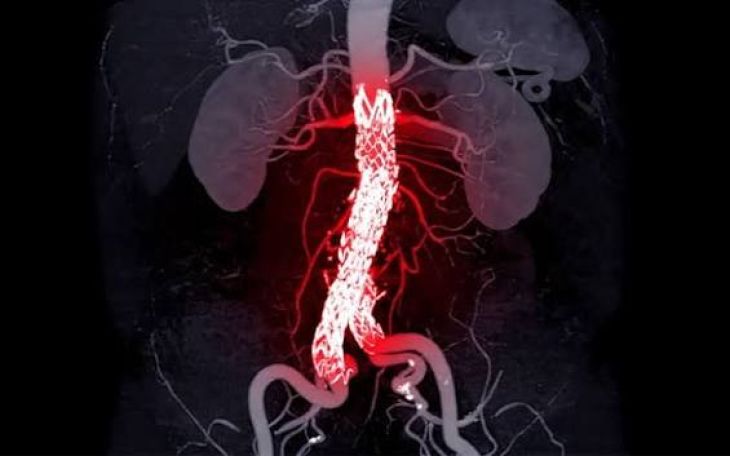
What Are Aortic Aneurysms and What Are Their Warning Signs?
The aorta is the largest artery in the body. It carries oxygen-rich blood from the heart to the rest of the body. Because the aorta handles a large amount of blood and pressure with every heartbeat, problems affecting this artery can become serious.
What Is an Aortic Aneurysm?
An aortic aneurysm develops when part of the aortic wall becomes weak and expands or bulges.
Aneurysms can occur in different parts of the aorta. The two main types are:
Abdominal aortic aneurysm (AAA): Develops in the section of the aorta that passes through the abdomen.
Thoracic aortic aneurysm (TAA): Develops in the portion of the aorta that runs through the chest.
An aneurysm can remain stable for a long time. However, as it becomes larger, the risk of serious complications can increase.
What Causes an Aortic Aneurysm?
Aortic aneurysms can develop for several reasons. Often, weakening of the artery wall occurs gradually.
Risk factors and causes may include:
-
High blood pressure
-
Smoking
-
Atherosclerosis
-
Increasing age
-
A family history of aortic aneurysms
-
Certain inherited conditions
-
Previous injury to the aorta
-
Some inflammatory diseases
Not everyone with these risk factors will develop an aneurysm. However, having several risk factors can increase the likelihood.
What Are the Warning Signs of an Aortic Aneurysm?
One of the most challenging aspects of an aortic aneurysm is that it may cause no symptoms at all.
Some aneurysms are discovered during imaging tests performed for another health concern.
When symptoms do occur, they depend on the aneurysm's location and size.
Symptoms of an Abdominal Aortic Aneurysm
An abdominal aortic aneurysm may cause:
-
Persistent or deep pain in the abdomen
-
Pain in the side or flank
-
Back pain
-
A pulsating feeling near the belly button
A large aneurysm may sometimes produce a noticeable pulsing sensation in the abdomen.
However, these symptoms can have many other causes, so they do not automatically mean that an aneurysm is present.
Symptoms of a Thoracic Aortic Aneurysm
A thoracic aneurysm may cause:
-
Chest pain
-
Upper back pain
-
Shortness of breath
-
Cough
-
Hoarseness
-
Difficulty swallowing
These symptoms can occur when an enlarged aorta presses against nearby structures in the chest.
What Happens if an Aortic Aneurysm Ruptures?
A ruptured aortic aneurysm is a medical emergency.
When an aneurysm ruptures, severe internal bleeding can occur. The person's blood pressure may drop rapidly, and the condition can become life-threatening within a short time.
Warning signs can include:
-
Sudden and severe abdominal or chest pain
-
Severe back pain
-
Dizziness or fainting
-
Rapid heartbeat
-
Weakness
-
Pale or clammy skin
-
Loss of consciousness
Sudden severe chest, abdominal, or back pain requires immediate emergency medical attention.
Do not wait for the symptoms to improve on their own.
What Is Aortic Dissection?
Aortic dissection is another serious condition involving the aorta. It occurs when a tear develops in the inner layer of the aortic wall, allowing blood to enter between the layers of the artery wall.
It can cause sudden, severe chest or upper back pain that may feel tearing or ripping in nature.
Aortic dissection and aneurysm are different conditions, although they can be related. Both require prompt medical evaluation when symptoms occur.
Who Is at Higher Risk?
Some people have a higher risk of developing an aortic aneurysm.
Risk factors include:
Smoking
Smoking can weaken artery walls and is an important risk factor, particularly for abdominal aortic aneurysms.
High Blood Pressure
Long-term high blood pressure places additional stress on the walls of the aorta and can contribute to damage.
Age
The risk of some types of aortic aneurysm increases with age.
Family History
A person with a close family member who has had an aortic aneurysm may have a higher risk.
Genetic Conditions
Certain inherited connective-tissue disorders can weaken the aorta and increase the risk of aneurysm and other aortic problems.
How Are Aortic Aneurysms Diagnosed?
Because many aneurysms cause no symptoms, imaging can be important for detection.
Depending on the location, doctors may use:
-
Ultrasound
-
Echocardiography
-
CT scans
-
MRI
-
Other specialized imaging tests
An abdominal ultrasound is commonly used to detect abdominal aortic aneurysms.
How Are Aortic Aneurysms Treated?
Treatment depends on the aneurysm's size, location, growth rate, symptoms, and the person's overall health.
Small aneurysms that are not causing symptoms may be monitored with regular imaging.
Doctors may also recommend managing risk factors, including controlling blood pressure, stopping smoking, maintaining a healthy weight, and managing cholesterol.
Can Aortic Aneurysms Be Prevented?
Not every aneurysm can be prevented, particularly those related to genetics or aging. However, several healthy habits can reduce risk.
Helpful steps include:
-
Avoid smoking and tobacco products.
-
Keep blood pressure under control.
-
Follow a heart-healthy diet.
-
Stay physically active as advised by your healthcare professional.
-
Maintain a healthy weight.
-
Manage cholesterol and other cardiovascular risk factors.
-
Attend recommended medical checkups.
FAQs
What is an aortic aneurysm?
An aortic aneurysm is a weakened area of the aorta that becomes enlarged or bulges outward.
Can an aortic aneurysm cause symptoms?
Yes, but many aortic aneurysms do not cause symptoms. When symptoms occur, they may include chest, abdominal, or back pain depending on the aneurysm's location.
What are the signs of a ruptured aneurysm?
Sudden severe chest, abdominal, or back pain, dizziness, fainting, weakness, rapid heartbeat, and loss of consciousness can occur. A suspected rupture requires immediate emergency medical attention.
Does high blood pressure increase the risk of an aortic aneurysm?
Yes. Long-term high blood pressure can place additional stress on artery walls and is an important risk factor for aortic disease.
Conclusion
An aortic aneurysm occurs when a weakened area of the aorta becomes enlarged or bulges. Some aneurysms remain small and cause no symptoms, while others can grow and potentially rupture.
High blood pressure, smoking, age, family history, and certain inherited conditions can increase the risk. Because aneurysms may remain hidden, appropriate screening and medical evaluation can be important for people at higher risk.