Understanding Antifibrinolytic Medicines: How They Help Control Excessive Bleeding
The human cardiovascular system relies on a tightly regulated balance between procoagulant mechanisms that form blood clots to stop hemorrhage and fibrinolytic mechanisms that dissolve clots to prevent vascular occlusion. Following tissue or vascular injury, the coagulation cascade is initiated, culminating in the conversion of soluble fibrinogen into an insoluble meshwork of cross-linked fibrin polymers. This fibrin mesh forms the structural foundation of a stable hemostatic plug. Simultaneously, the physiological process of fibrinolysis is activated to limit clot growth and facilitate tissue repair. The central enzyme of fibrinolysis is plasmin, a serine protease generated from its zymogen precursor, plasminogen. Under physiological conditions, plasminogen binds to specific lysine residues on the surface of fibrin, where tissue plasminogen activator (tPA) or urokinase plasminogen activator (uPA) cleaves plasminogen into active plasmin. Plasmin then enzymatic degrades the cross-linked fibrin matrix into soluble fibrin degradation products, eventually dissolving the clot. When hyperfibrinolysis occurs—either pathologically or secondary to tissue trauma—clots are degraded prematurely, leading to severe, uncontrolled hemorrhage. Antifibrinolytic medicines are specialized pharmacological agents designed to inhibit the enzymatic breakdown of fibrin, stabilizing existing clots and controlling excessive bleeding.
Molecular Mechanisms of Action and Lysine-Binding Site Blockade
Antifibrinolytic agents primary fall into the class of synthetic lysine analogs, with tranexamic acid (TXA) and epsilon-aminocaproic acid (EACA) serving as the principal clinical representatives. These agents exert their therapeutic effect through competitive inhibition of plasminogen activation. Plasminogen molecules contain specialized structural domains known as "frizzled" or kringle domains, which possess high-affinity binding sites for lysine residues present on the fibrin polymer. To initiate targeted fibrin breakdown, plasminogen must first anchor itself to these lysine sites on the fibrin surface. Lysine-analog antifibrinolytics bear a structural resemblance to the amino acid lysine. Upon administration, tranexamic acid or aminocaproic acid binds reversibly and with high affinity to the lysine-binding sites of plasminogen and active plasmin. By occupying these critical docking sites, the antifibrinolytic molecule physically prevents plasminogen from attaching to the fibrin substrate. Lacking access to its structural substrate, plasminogen cannot be efficiently activated by tPA, nor can active plasmin bind to cross-linked fibrin to cleave its peptide bonds. Consequently, the structural integrity of the fibrin clot is preserved, preventing premature enzymatic lysis and sustaining effective hemostasis. At significantly higher concentrations, tranexamic acid also acts as a direct non-competitive inhibitor of plasmin enzyme activity.
Pharmacokinetic and Pharmacodynamic Profiles
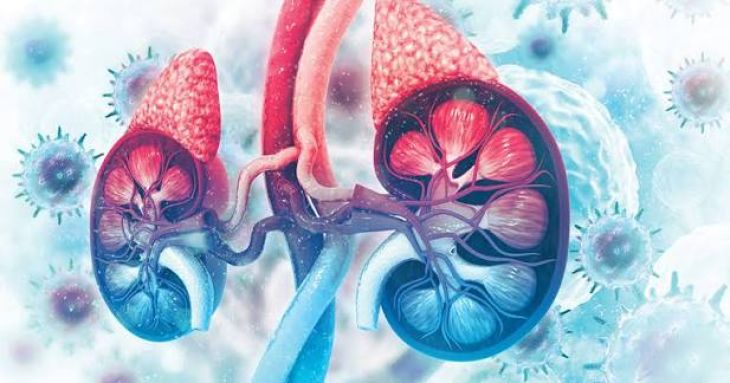
Understanding the pharmacological differences between specific antifibrinolytic agents is essential for optimizing clinical dosing and administration protocols. Tranexamic acid is approximately six to ten times more potent than epsilon-aminocaproic acid in terms of its affinity for plasminogen lysine-binding sites, requiring lower overall dosing to achieve equivalent hemostatic suppression. Both tranexamic acid and aminocaproic acid can be administered via oral or intravenous routes, exhibiting rapid bioavailability and systemic distribution. Tranexamic acid diffuses readily into extracellular and intracellular fluid compartments, crossing the blood-brain barrier, placental barrier, and synovial membranes, and entering seminal fluid, aqueous humor, and breast milk. Neither agent undergoes extensive hepatic metabolism; instead, both are excreted rapidly by the kidneys via glomerular filtration in an unchanged form. Consequently, renal impairment leads to prolonged drug retention and elevated plasma concentrations, necessitating precise dose adjustments based on estimated glomerular filtration rate (eGFR) to avoid systemic toxicity.
Clinical Indications across Surgical and Trauma Contexts
Antifibrinolytic medicines are deployed across a broad spectrum of clinical disciplines to reduce blood loss, minimize transfusion requirements, and decrease mortality in high-risk bleeding scenarios. In traumatic injury, hyperfibrinolysis develops rapidly as part of the trauma-induced coagulopathy cascade. Landmark clinical trials, such as the CRASH-2 study, demonstrated that early administration of intravenous tranexamic acid within three hours of severe injury significantly reduces mortality from acute hemorrhage without increasing overall thrombotic events. In surgical specialties—particularly cardiac surgery utilizing cardiopulmonary bypass, major orthopedic procedures (such as total hip or knee arthroplasties), complex spine surgery, and liver transplantation—prophylactic antifibrinolytic administration is standard practice to counteract surgery-induced systemic fibrinolysis and reduce post-operative blood loss. Additionally, antifibrinolytics play a vital role in neurosurgery and neurocritical care to prevent re-bleeding following acute aneurysmal subarachnoid hemorrhage before definitive surgical or endovascular securing of the aneurysm.
Management of Obstetric, Gynecological, and Dental Hemorrhage
Beyond major trauma and surgical suites, antifibrinolytic agents serve as crucial therapies in obstetric, gynecological, and hematological practice. Postpartum hemorrhage remains a leading global cause of maternal mortality; the WOMAN trial established that early intravenous tranexamic acid administration significantly reduces death due to bleeding in women experiencing postpartum hemorrhage following vaginal or cesarean delivery. In outpatient gynecology, oral tranexamic acid is FDA-approved for the chronic management of heavy menstrual bleeding (menorrhagia). By inhibiting local endometrial fibrinolysis—which is frequently elevated in women with menorrhagia—oral antifibrinolytics reduce menstrual blood volume by thirty to fifty percent, improving iron balance and quality of life without altering systemic coagulation parameters. Furthermore, in patients with inherited bleeding disorders, such as hemophilia A or B and von Willebrand disease, topical or oral antifibrinolytics are routinely prescribed as adjunctive therapy to prevent mucosal bleeding during dental extractions, oral surgery, or minor surgical procedures, where high local mucosal concentrations of plasminogen activators normally accelerate clot dissolution.
Safety Considerations, Adverse Effects, and Contraindications
While antifibrinolytic medicines are generally well-tolerated, their administration requires careful risk assessment regarding potential adverse effects and thrombotic complications. Because their primary mechanism preserves existing fibrin structures, there is a theoretical concern that antifibrinolytic therapy could exacerbate thromboembolic risks, such as deep vein thrombosis, pulmonary embolism, myocardial infarction, or ischemic stroke. Clinical evidence demonstrates that early, short-term therapeutic use in acute bleeding or elective surgery does not significantly elevate thromboembolic events; however, caution is warranted in patients with an active thromboembolic state or high baseline prothrombotic risk. Common mild adverse effects include gastrointestinal distress, such as nausea, vomiting, and diarrhea, particularly following oraladministration. A notable specific risk associated with high-dose intravenous tranexamic acid—especially during cardiac surgery—is the occurrence of myoclonic or generalized seizures. This neurotoxicity results from competitive structural inhibition of central inhibitory gamma-aminobutyric acid (GABA) and glycine receptors in the cerebral cortex. Absolute contraindications include active intravascular clotting processes (such as acute disseminated intravascular coagulation without predominant hyperfibrinolysis) and severe, uncompensated renal failure, unless carefully dose-adjusted. Additionally, in patients with upper urinary tract hematuria (originating from the kidneys or ureters), antifibrinolytics are strictly contraindicated, as preserved clots within the ureters can cause severe renal colic, ureteral obstruction, and acute kidney injury.
Conclusion
Antifibrinolytic medicines represent an essential pharmacological intervention for managing excessive bleeding by directly inhibiting the enzymatic breakdown of fibrin. Understanding how synthetic lysine analogs like tranexamic acid and epsilon-aminocaproic acid block plasminogen binding sites to preserve clot architecture clarifies their critical role across trauma resuscitation, high-risk surgery, postpartum hemorrhage, and chronic menorrhagia. Utilizing precise pharmacokinetic dosing, monitoring renal function, and adhering to strict contraindication protocols enables multidisciplinary care teams to maximize the hemostatic benefits of these agents while minimizing neurotoxic and thrombotic risks. Through evidence-based administration, timely clinical deployment, and targeted patient selection, healthcare professionals can effectively stabilize hemostatic plugs, reduce transfusion burdens, and improve clinical outcomes for patients facing life-threatening bleeding complications.